


If you don't feel like doing something, that's an important signal
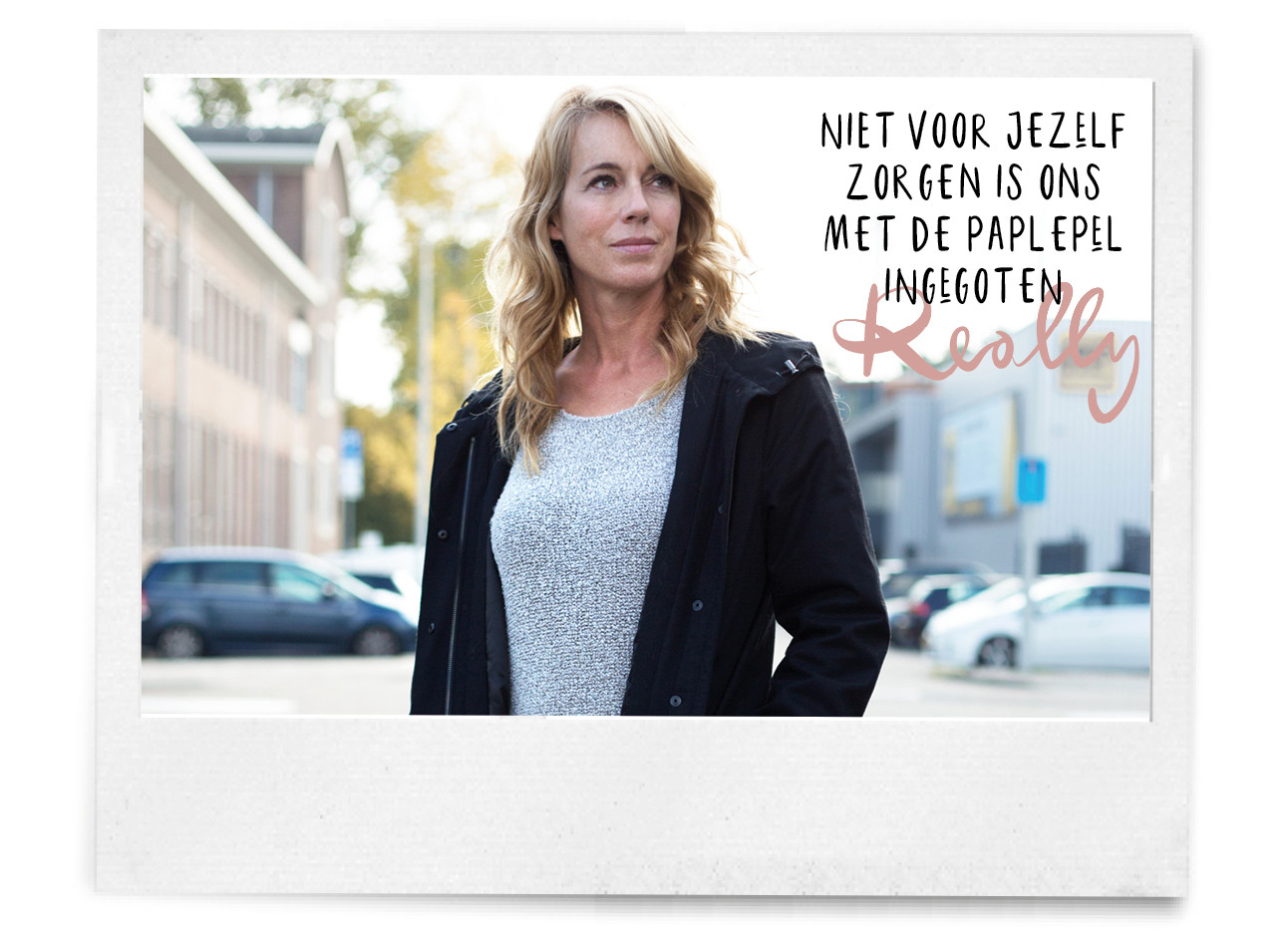
Actually, I should have been sitting at the Amayzine office this afternoon. I was really looking forward to it because I haven't seen Kiki since she returned from Bali. However, I have lost my voice and don't feel particularly fit. It was twelve o'clock, I was just about to get on my bike when it struck me: actually, I would rather take a nap for an hour and then work from home in my sheep wool slippers. At the same time, I thought: come on, it's just half a day, you'll probably enjoy it once you're there and you have it arranged that way.
If you don't feel like doing something you normally enjoy, Suzan Kuijsten calls that a ‘stop emotion’. In her book Gek op Stress, she describes what exactly happens when you're heading towards a burnout, what you need to do to prevent it, and if it's already too late, what you need to do to recover. It's not the stress itself that is the big problem, she says, but the lack of recovery. Just look at animals. They spend most of the day lounging around, only getting active when it's really necessary. We humans just keep going, even when our bodies signal that it has been more than enough.
Kuijsten: ‘When you exert yourself for a while, you naturally become fatigued. During exercise, for example, you feel that in your muscles. Mentally, it's the same. When you mentally do your best, you notice it in your concentration: it decreases over time. You can keep going for a while, but eventually, you hit your own limits and it no longer works. You can't keep your attention on it anymore because your thoughts keep wandering. You start making mistakes, your memory doesn't work anymore. You also notice that fatigue in your mood: you feel more and more resistance to continue. You no longer feel like it. We call that a ‘stop emotion’. It indicates that it's time to recover.’
We've all heard our mother say: ‘If you don't feel like it, just make yourself feel like it!’ It goes against our Calvinistic culture to say that we would rather lie on the couch instead of quickly finishing that email. Not taking care of yourself has been ingrained in us from a young age, and that's why so many people become overstressed or even get a burnout. Kuijsten: ‘How is it that you can keep going, even though you'd actually prefer to rest? The human body has a fantastic emergency mechanism that kicks in when there's a shortage of fuel. We call that compensatory stress. Just think of the times you thought: just hold on a little longer. You use up reserve energy each time. You should recover even more afterwards. But often you don't, and you become unbalanced. Your body starts to falter in the places where your weakest links are. One person has issues with their intestines, another gets muscle pain. Your brain also deteriorates. You become more sensitive and get a short fuse. It's a bad situation.’
What we learn from this is that we must take our feelings of ‘not wanting to’ seriously. No longer feeling like it? Time for recovery! You don't recover by sitting on your phone for hours or binge-watching Netflix, but mainly by sleeping, listening to calming music, enjoying a nice bath, doing breathing exercises, and tidying up a bit.
This afternoon, I lay in bed with the dog and a hot water bottle. I slept for an hour, and then my husband (who gets worried if I even sneeze once) hurriedly made chicken soup. The slippers are on, and I'm drinking Throat Comfort tea from Yogi Tea. Do I feel like it? Yes. I can get to work.
Go to gekopstress.nl for more information and read the book! By the way, we are also allowed to give away a copy, so let us know on Facebook why you are so crazy about stress and you might win.
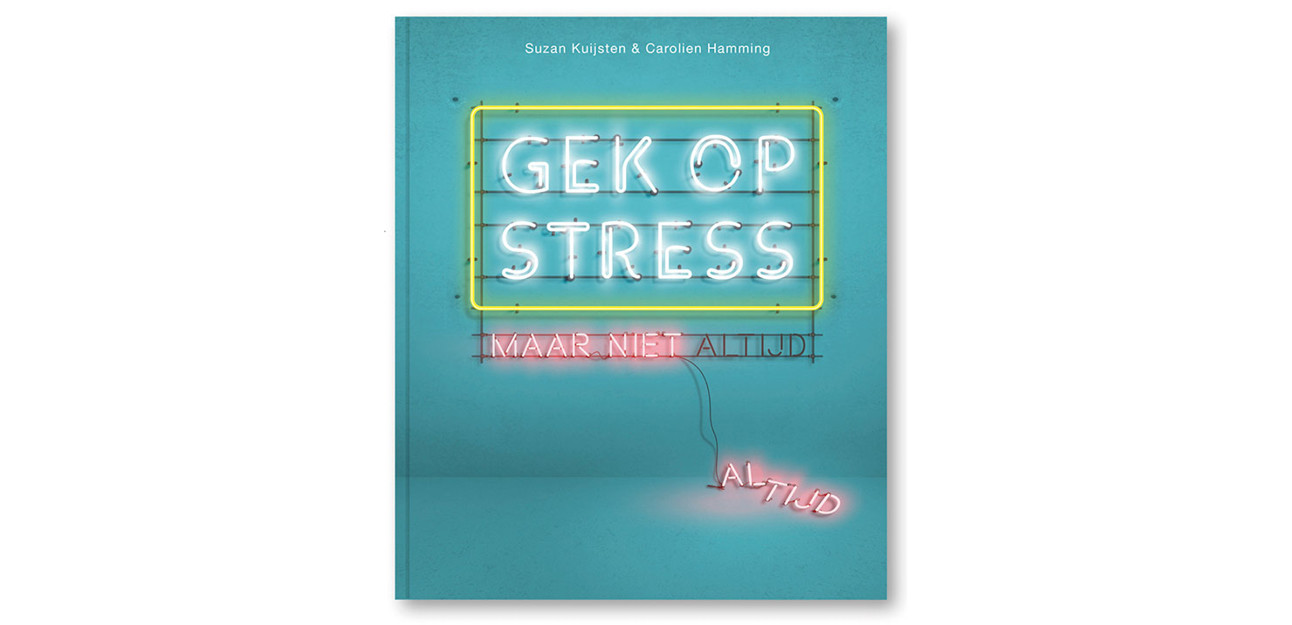
Crazy about Stress, but not always €24.95, gekopstress.nl


