


What your five best friends tell you about yourself
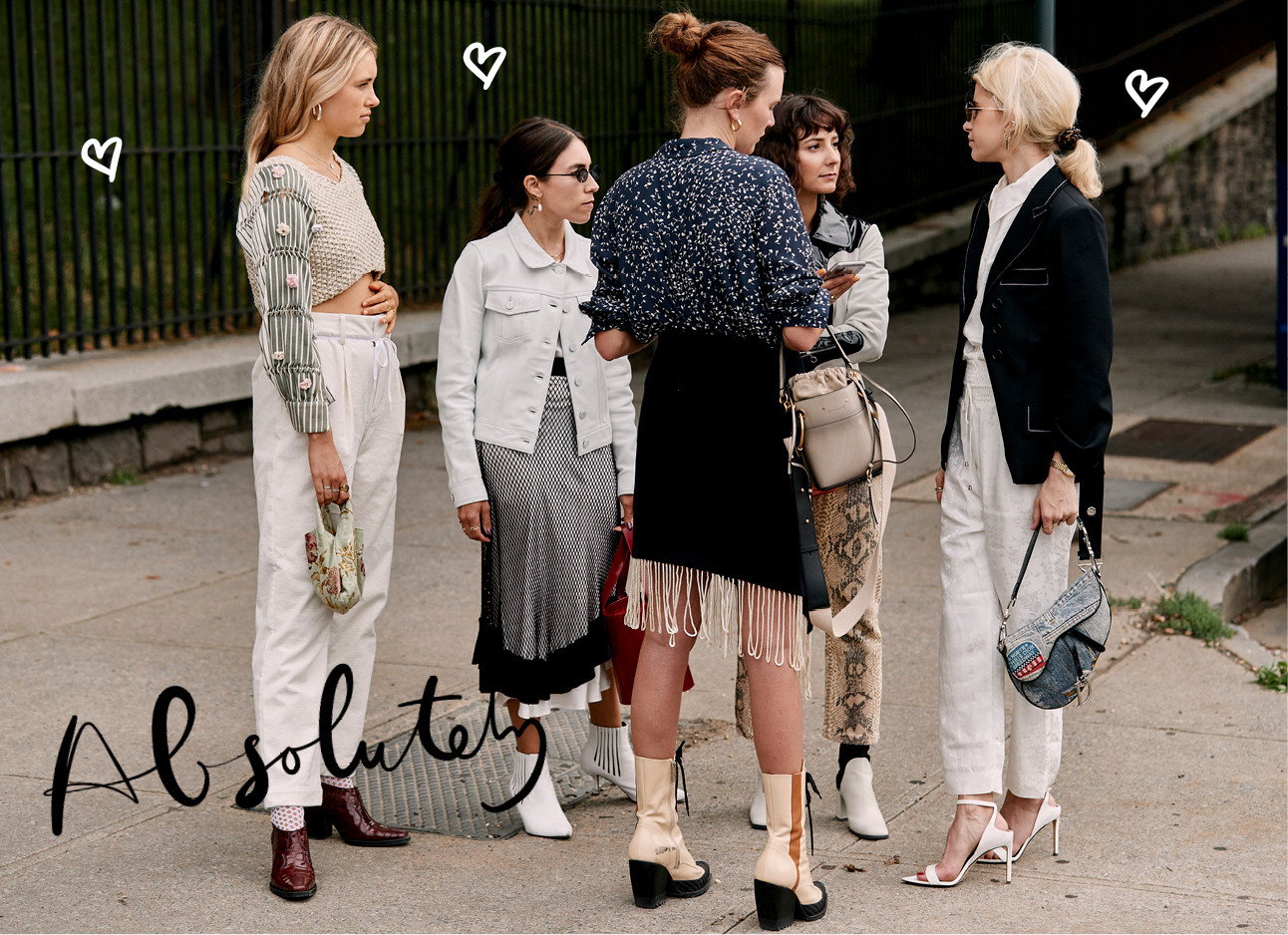
The American guru Jim Rohn already said: ‘You are the average of the five people you spend most time with.’ The people you associate with have a strong influence on you. Just think about it: if friend X always wants to meet at the pub with the necessary drinks, then there is a good chance that you will always have one more glass of wine with her than you normally do. And every time you are with friend Y who is actively exercising on the beach, you think: hmm, maybe I should go to the gym a bit more often. These are the obvious examples. What about friends who gossip, friends who encourage you to pursue a career, friends who all have children or those who do not? Unconsciously, you adopt their norms and values. They are the measuring stick by which you measure yourself.
Professor Roos Vonk writes in her book You Are What You Do the following: ‘The friends you choose, partner, job and study, living environment, the way you organize your life: it all influences what you experience and the influences you are exposed to – and thus also on you, because your entire system automatically adapts to your environment.’
You probably recognize this. If you live in a prosperous village where everyone has a Labrador and goes on vacation to Ibiza, then there is a good chance that you will do this too. If you work in an office where everyone is fully made up and wearing heels, there’s a good chance you will do that too. Roos Vonk: ‘That adaptation happens automatically: unconsciously and automatically, which means we don’t even notice it and cannot suppress it. We even imitate each other negatively, for example by playing worse in a competition if your opponent is also playing poorly or behaving ruder if you just saw someone else being rude.’
Adapting is not necessarily negative. It is even something social. You want others to feel comfortable with you, and therefore you accommodate them. That doesn’t mean you undergo a total personality transformation, but it does mean that you bring certain traits a bit more to the forefront or temporarily set aside certain habits.
‘Being able to adapt is important to strengthen the social bond with others,’ writes Vonk. ‘People can, for example, influence each other by screaming on the roller coaster. You adopt behavior and you become part of the underlying emotion. The contact will go more smoothly because you understand people better by imitating them, and they unconsciously find you nicer when they are being imitated. This is characteristic of all animals that live in groups. It promotes group processes, such as good cooperation and the feeling that you understand each other.’
Now that you know this, it’s fun to map out your friends. Make a list of the five people you spend the most time with and write down their five most striking characteristics. These can be both positive and negative. You can think of traits like curious or helpful, but it can also be something like ‘always arrives late’ or ‘goes on vacation five times a year.’.
Once you have made these lists, look at the averages. Are there characteristics that appear in multiple friends? Are they traits you recognize in yourself? Which traits would you like to strengthen and which could be a little less?
This way you can learn a lot about your friendships. And thus also about yourself.
Want to read more?
You are what you do – from self-knowledge to behavioral change
Roos Vonk


