


8 wise answers from Fien Vermeulen
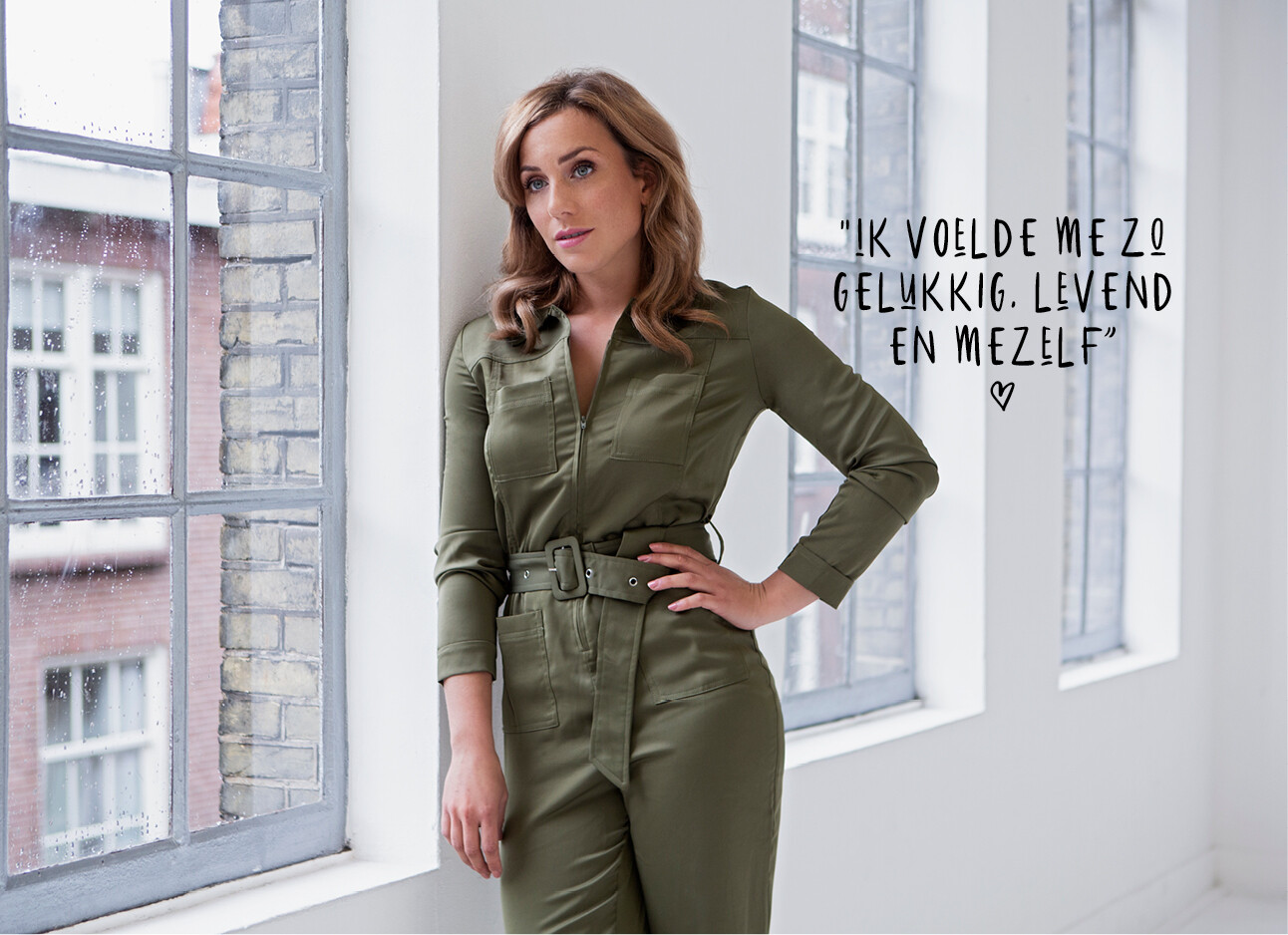
Writing was an old love, yet it had to mature and rise before the time was right for a book. It rains sunbeams, about cancer, climbing up and going on again. ‘Writing about my illness during my recovery? Impossible.’
Fien, your book is there. Congratulations. Do you sometimes feel incredibly sorry for yourself when you read it back now? That now that it is in black and white it really hits how heavy it has been?
You know, you really hit the nail on the head. The period when I was sick and the time after, during the first recovery, was so intense that I somewhat disconnected my feelings from my thinking. I just couldn't be sad anymore because it was just too heavy. Eventually, after a few years, I couldn't even cry about it anymore. I could tell the story to others and it seemed like I was describing a really horrible movie I had seen, but I didn't feel it in myself. It took a while and I worked a lot on it in therapy, but only now can I sometimes cry about it myself. Especially now that it is written in a book, I find it easier to read it and really bring back the moments so I can feel them. That process started during writing and is now going even better. I think feeling something like that is very important for processing it. For me, it just took a little longer because at first I mainly wanted to push through so I could get my life back on track and had no energy for sadness.
You have mentioned in interviews that you couldn't write about yourself during your recovery process because it was too confronting. I have written a lot about my daughter who has a mental disability and I recognize that. Writing about the period when we found out felt like regression therapy. I was crying behind my laptop again. Which scenes did you find the hardest?
Especially the moment with my father, that he regretted thinking I was just being dramatic, I found very difficult. And I was completely exhausted when the part came up where I thought I was going to die and had to say goodbye. Even then, I couldn't be very sad about it because I wanted to protect my family. I thought: if I am going, I want them to see that I am going in peace and that I have fought enough. Nothing seems worse for a survivor than saying goodbye to someone who is dying fighting.
What was the cue to actually start writing?
During Expeditie Robinson. One morning I was lying alone in the sea, I had pneumonia and a colony of maggots in my calf, but I felt so happy, alive, and myself. It felt like I was hovering above myself in a helicopter view. I saw myself sitting there and thought: it can't all have been for nothing, can it? Not this bizarre experience, the cancer, everything that has happened, just ‘life’. I decided then that I was ready to write everything down, hoping that someone would read it and feel supported by it.
You mentioned that you wrote the book together with someone because you are so closely connected to it and someone else asks questions about things that are very obvious to you. What have you learned from this collaboration?
Mainly that even the things that are so painful for you that you are afraid of them are actually always smaller than the fear itself. Because Sabine broke my tunnel vision with her questions and poked at me just when I wanted to stop, I learned that I could handle it. And even stronger: no matter how much it hurt, I started to feel better afterwards.
It's your first book. There are many people who dream of writing a book. What is your golden tip that you wish you had known before you started? And what do you hope to convey with your book?
I think everyone should write a book, haha. That may sound strange, but you learn so much about yourself. Physical exercise is healthy, but you also need to train your mind and feelings. In daring to allow, reflect, so you can grow mentally. My golden tip is really annoyingly simple: just go do it. But do it at a moment when you feel ready for it. You shouldn't start earlier, but not later either. So if you think: now, but oh, what a job or wow, how scary, then you should ask someone for a push. Because as soon as you can, you really should just go do it.
What I hope to convey is that nothing is weird and that no one is alone. The feelings of loneliness that come with traumas – in whatever form they come into your life – are logical, but you are not alone. I think that whatever you have experienced, every little house has a cross and we all have the same big feelings globally. Loneliness, doubt, sadness, frustration, loneliness: name them. So you are never alone in that.
Your mother has also been affected by that terrible cancer. I can imagine that her opinion is the most important to you. What did she think of it?
Mom thought it was beautiful. Very confronting, recognizable, beautiful, and difficult. And I had remembered one thing wrong: at my deathday dinner, she didn't make mushroom soup. She was mad about that because she said she would never do that, haha.
And does writing make you want more? Is there already a new plan bubbling?
I always have plans bubbling, but I have also learned to enjoy something that is happening now. Always looking ahead means you miss the things you are in. People always recognize an ending, the art is to enjoy in the middle as well.
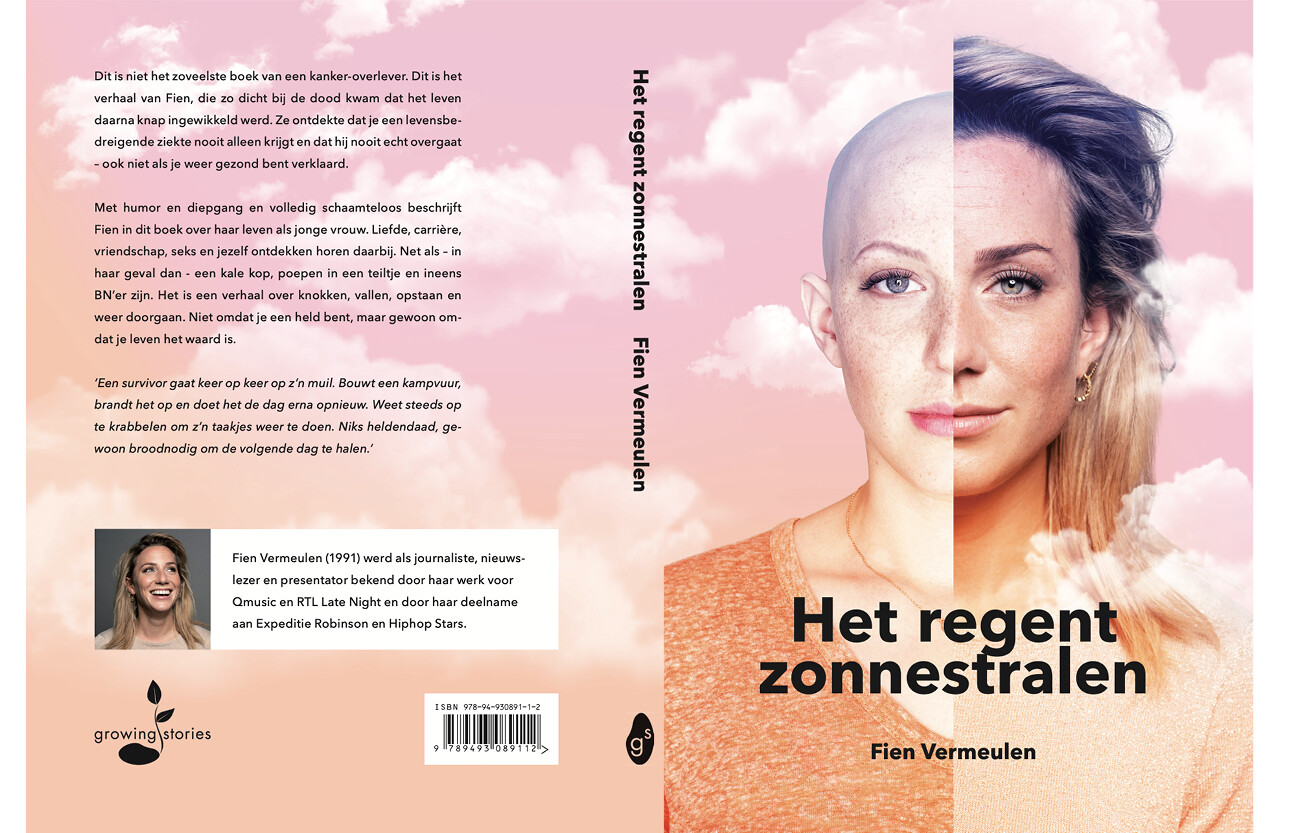
It rains sunbeams here To order Vermeulen.
Photographer: Lutske Veenstra


