


Getting pregnant is not a given: here's how to increase your chances of having a baby
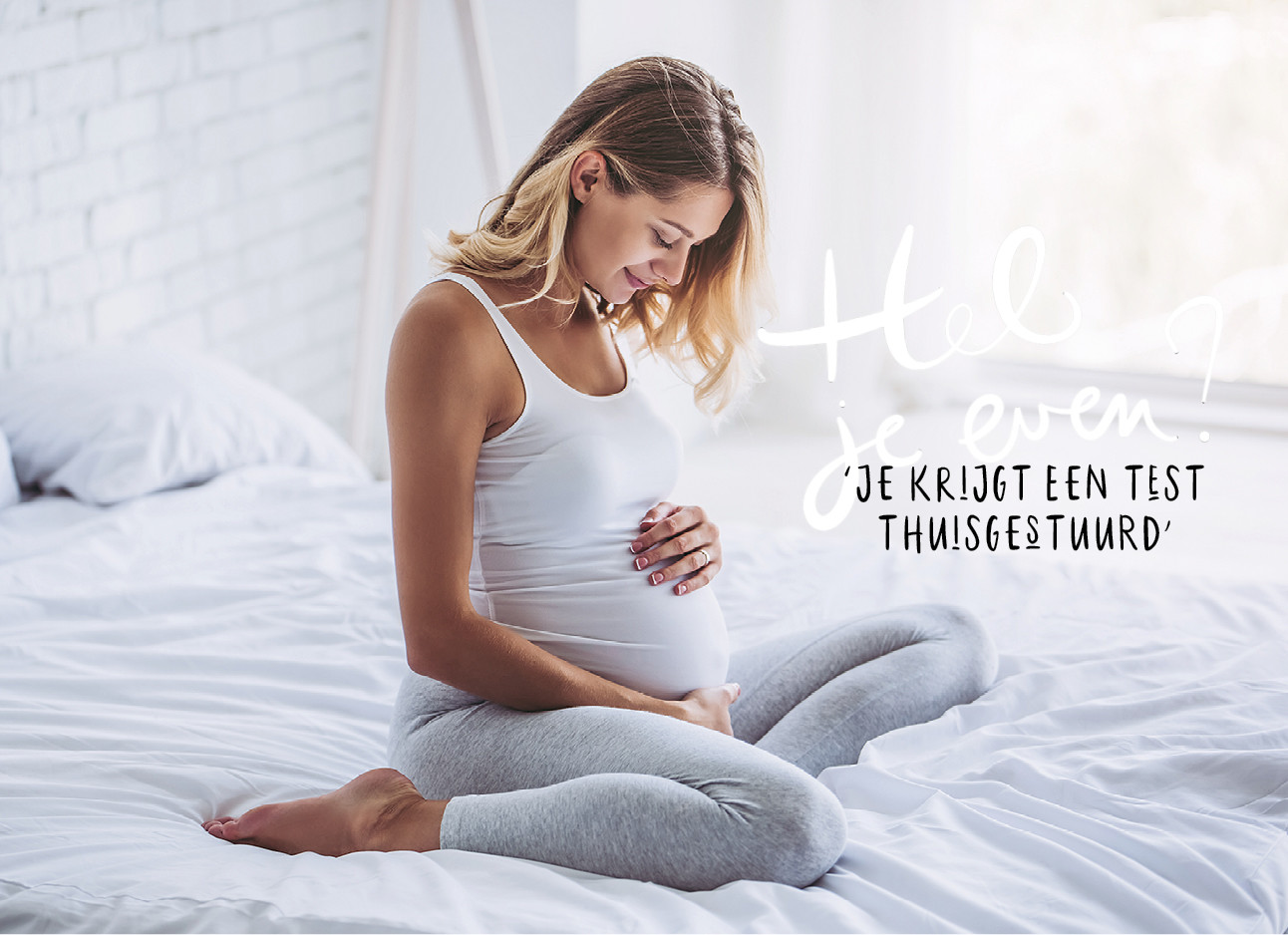
In the Netherlands, women are ambitious. We study for a long time, we work hard, and we want a nice job. And parties. And a ton of girlfriends and a world trip. And those children? They will come later.
Right?
Don't think you're the only one. The average age at which a university-educated Dutch woman has her first child is 34. And nearly a third of highly educated women in the Netherlands never have children. The majority regrets it. Anne Marie Droste was curious around her thirties about ‘how long she would still have’. Did she still have time for that career, that distant trip, and that quiet settling down with her partner? Or did she need to hurry – with her desire for children?
Abroad, she visited a gynecologist who could explain a lot about her cycle with a blood test. Then she thought: but my friends in the Netherlands want to know this too. Every woman over thirty with a desire for children wants to know this. Why is it still not easy to investigate how fertile you are as a woman in the Netherlands? She started, together with other experts, the successful Grip. Because it was high time for that.
Anne Marie: “On Google, you can only find the average decline in fertility, but actually, you want to know where you stand on that graph. A general practitioner only refers you to a specialist after you've been trying to get pregnant for twelve months without success, and as a healthy woman who wants to plan, you can forget it; you can't even come by. At Grip, we give healthy women access to the same blood tests that a fertility doctor prescribes in the hospital, but then just from home. We can tell you whether you have a normal number of eggs for your age, when you will go into menopause, whether your ovulation is good, whether you seem to have PCOS, whether your thyroid is functioning well, and whether you have an increased risk of blocked fallopian tubes. Our fertility doctor helps you make a plan if something is abnormal.”
And according to her, this is urgently needed, that having your own fertility tested is more accessible. That you don't first have to go to general practitioners and gynecologists for that. “One in eight women around me wishes they had started having children earlier because it becomes more difficult at an older age. That's why it's so nice that you can now learn more about your own health in an easy way. First you fill out a quiz on our site about yourself and whether you are still using contraception, for example. You will then receive a test sent to your home, you prick your finger and drop some blood into a tube. You send that back to us in the return envelope, and doctors will then review your results and explain them to you in understandable language. This way, you know better where you stand when it comes to getting pregnant. And look, we can never guarantee anyone that they can calmly wait for years to get pregnant and that it will definitely happen then. We promise no one babies in the future. But we do provide better insight into a woman's fertility, which varies from woman to woman. And what I notice happening is not that women calmly think they have years left, but that they become more aware of the fact that their fertility is temporary. You don't have that supply of eggs in your fallopian tubes forever, unfortunately. One day they will be gone.”
Wow, yes. I haven't thought about it that way often. I have two children and I am now certainly aware that this is a very beautiful thing, that it is not something to take for granted. Because getting pregnant is not, for any woman, young or somewhat less young. But if you can help nature with a simple test at home, well, then I say: why not? For everyone with future dreams, it's more than worth a try. Because I wish everyone that motherly love that I feel; nothing more beautiful simply exists.


