


I watched the fur documentary by Famke Louise and this is what I thought
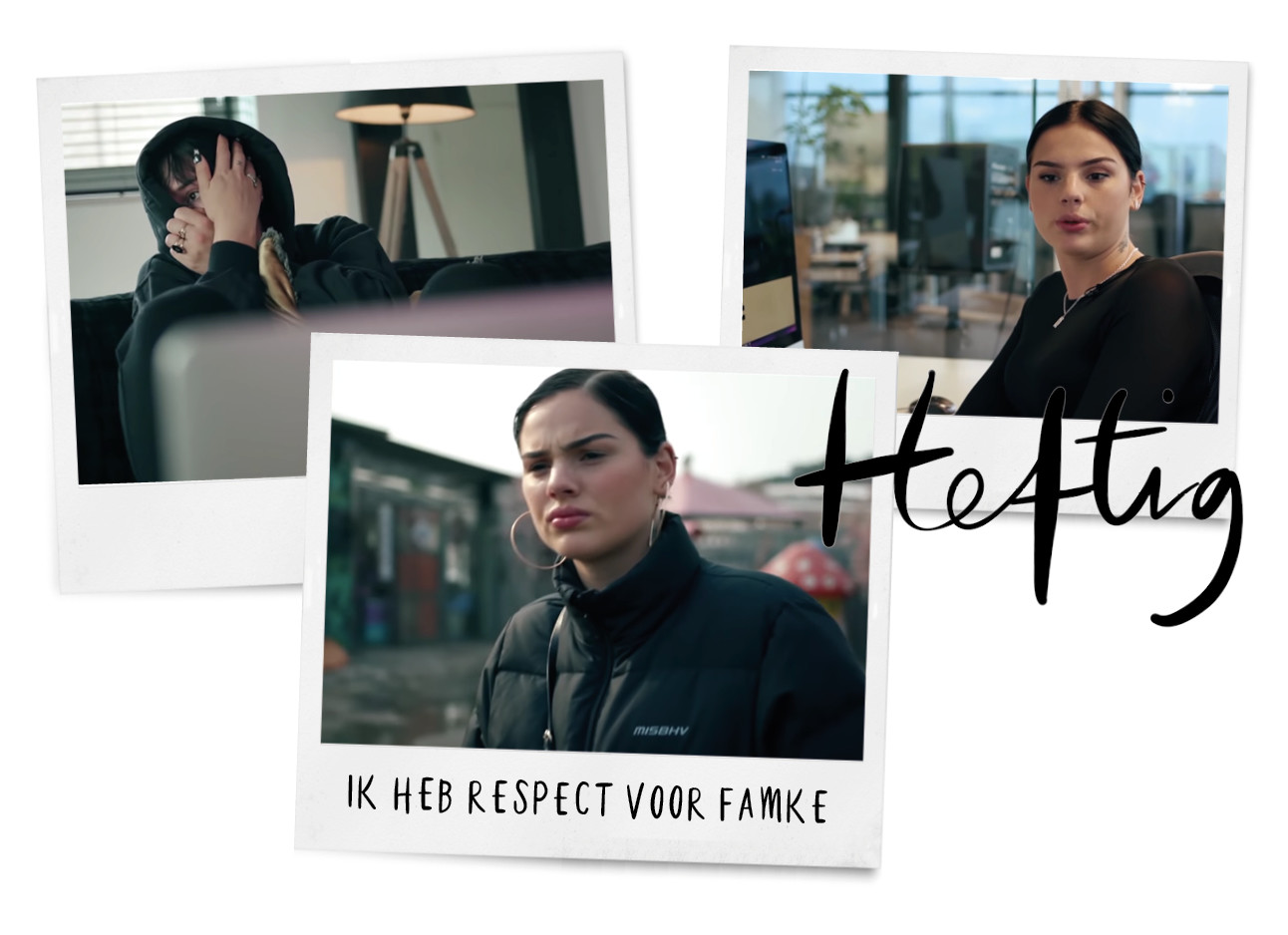
To be honest: I was dreading this – big time. Because you know you're going to see images that won't make you happy. And yet I had to do it for myself, to watch that documentary. In Bont Girl, Famke Louise goes to the interior of China with animal activists Jenny and Thomas, where fur is ‘bred’ and ‘harvested’. It's not a safe journey. They go undercover and visit indigenous fur breeders to see with their own eyes how the fur industry operates.
Look, I think you should see it. But I can also imagine that not everyone can handle it. In that case, you can read this instead. You'll still be a bit informed.
Important to know:
- The largest group of fur wearers are millennials (between 18-30 years old).
- This group of consumers mainly buys fur that is processed into fur collars or accessories.
- In 2018, 50 million minks, foxes, and raccoon dogs were killed in China for their fur. Yikes.
The story behind the documentary:
“In my jacket with fur collar, driving to fashion week, vroom vroom.” It's exactly those lyrics that led to Famke being named Dom Bontje of the year by Bont voor Dieren in 2018. Bont voor Dieren is a foundation that advocates for animals and against fur. What you can do to make a Dom Bontje more aware? Hit her with the facts. And so Famke was approached to make a documentary about the fur industry for Videoland.
And, that assignment was quite tough.
I respect Famke for daring to take on that mission because honestly: I start to feel sick just thinking about it. Famke travels to China under the pretense that she is going to start a clothing line that incorporates fur. In China, there are entire fur areas in department stores where hundreds of fur coats, scarves, and keychains are displayed as fast fashion. It. Is. Disgusting.
Once you've seen this documentary, you'll really look at fur differently.
You probably already knew it. You might not have even done it yourself. But after watching this documentary, you'll also look differently at the ignorant who still wear fur. In the worst shot, you see how a raccoon dog (just killed, still warm) is skinned upside down while the muscles in its arms are still twitching. Yes, that's heavy. And also the reality. And that's why it's good that this is filmed (the actual killing of animals is not shown).
Fortunately, there are also Chinese people trying to save the animals...
Chinese Buddhists have been vegetarians for years. According to them, all living beings have a soul. Not just humans, but also animals. And so, minks, foxes, and raccoon dogs are regularly stolen and rescued on special missions to escape the clutches of those terrible breeders. Those little creatures are taken to rescue centers.
What you see in the documentary is actually just an interaction between supply and demand.
If there were no demand for fur, these kinds of sick breeding farms and the fur industry would be a thing of the past. “The Chinese breeders are practical. They don't do it because they enjoy it; they do it because they earn money from it. If people stop buying fur, they have to find another source of income,” says animal activist Jenny.
Finally: should you be afraid of this documentary?
I am a huge animal lover and a massive emotional wimp when it comes to this kind of videos, but I managed to handle it (side note: I watched certain parts without sound). It's not even filmed in such a gruesome way; Videoland has – thank god – taken our stomachs into account. You mainly see through Famke's eyes how she experienced it.
.
Curious? The documentary lasts 48 minutes and you can check it out here. And, once again: for Bont voor Dieren, Jenny and Thomas who have been working hard for years, and Famke who has used her influence and followers to expose this terrible industry: a Big Fat Applause for you all.


