


The remote work conclusion
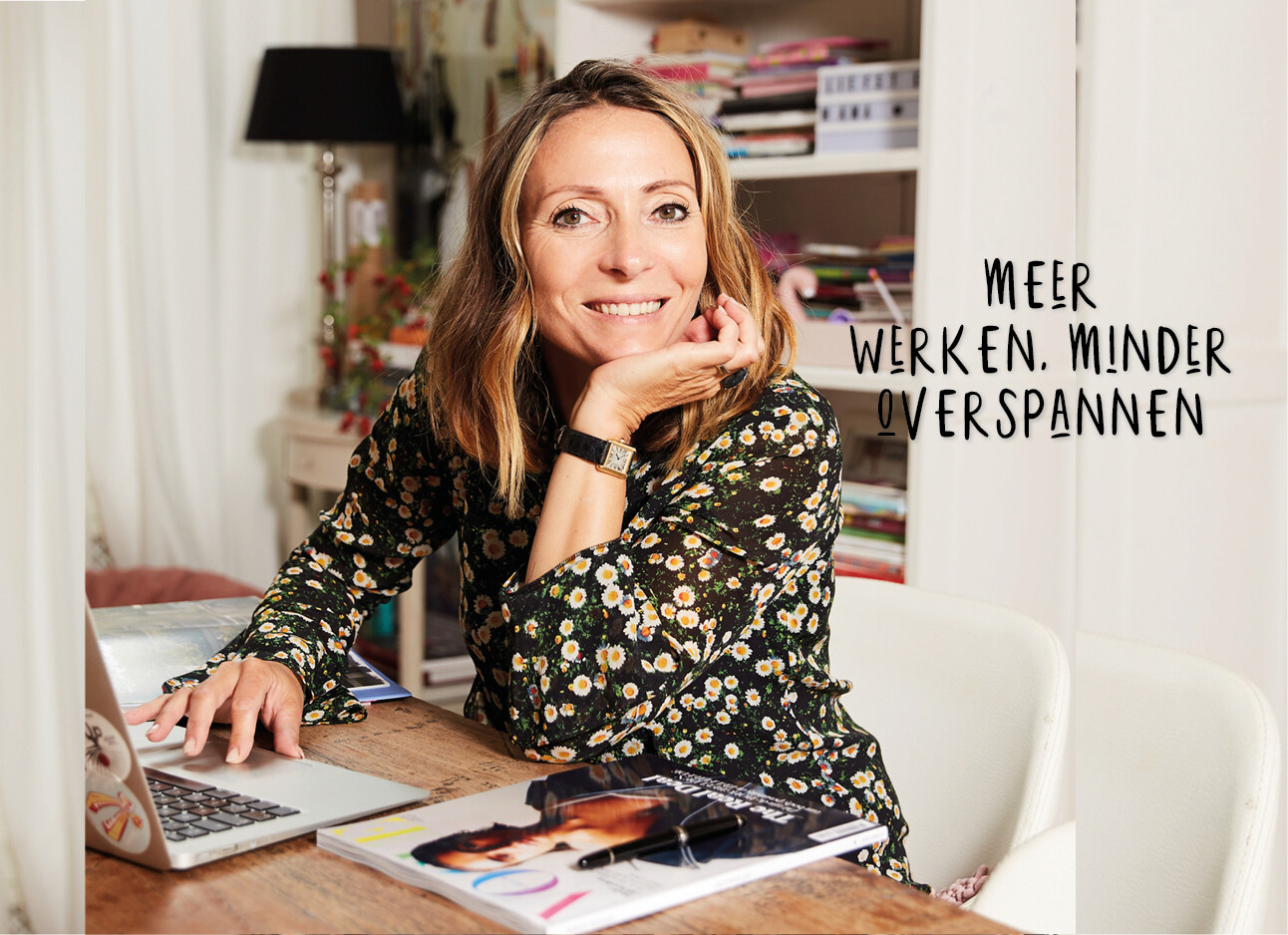
When Mark Rutte told us that it was not mandatory but better to work from home, we looked at each other and said: let’s do this. If there is an organization where you can work from anywhere in the world (including home), it is us. It felt strange to close the door, not knowing when we would see each other again.
That was months later. I cried when I walked back into our office for the first time and saw the wilted plants and the desks waiting for our return. So strange. A Sleeping Beauty office that had been put to sleep from one moment to the next.
We worked and chatted and called and emailed. I missed my colleagues intensely, but honestly, it was manageable. Chef Adeline (the thermometer of the editorial team) concluded that everyone wrote more and better. And well, we also quite liked that we didn't have to struggle through traffic for three quarters of an hour before our fingers danced over the keyboard. And the elimination of travel costs saved us a figure with three zeros. So, remote working wasn't so bad after all.
Meanwhile, we are two days in the office, a party. And occasionally I crawl behind my desk on Fridays. But how has it gone in the Netherlands? Because suddenly we were all conference calling in our shorts.
TNO conducted research among 10,000 people about our work behavior. What turned out? We work more, but the percentage of burnout remains the same. Then I would even conclude that we are getting less burned out. Because with more work and the same number of burnouts, proportionally there are fewer burnouts, right?
There is more overtime (even up to eleven hours a week), but that has no impact on health. Most employees describe their health as good to very good. Is it because we walk in between, have our household in order, don't sit in the car or train for too long?
I hope the corona era ended yesterday, but let's keep some things with us. Like this.
Image: Lidian van Megen


