


This is how you make pasta like the chef does
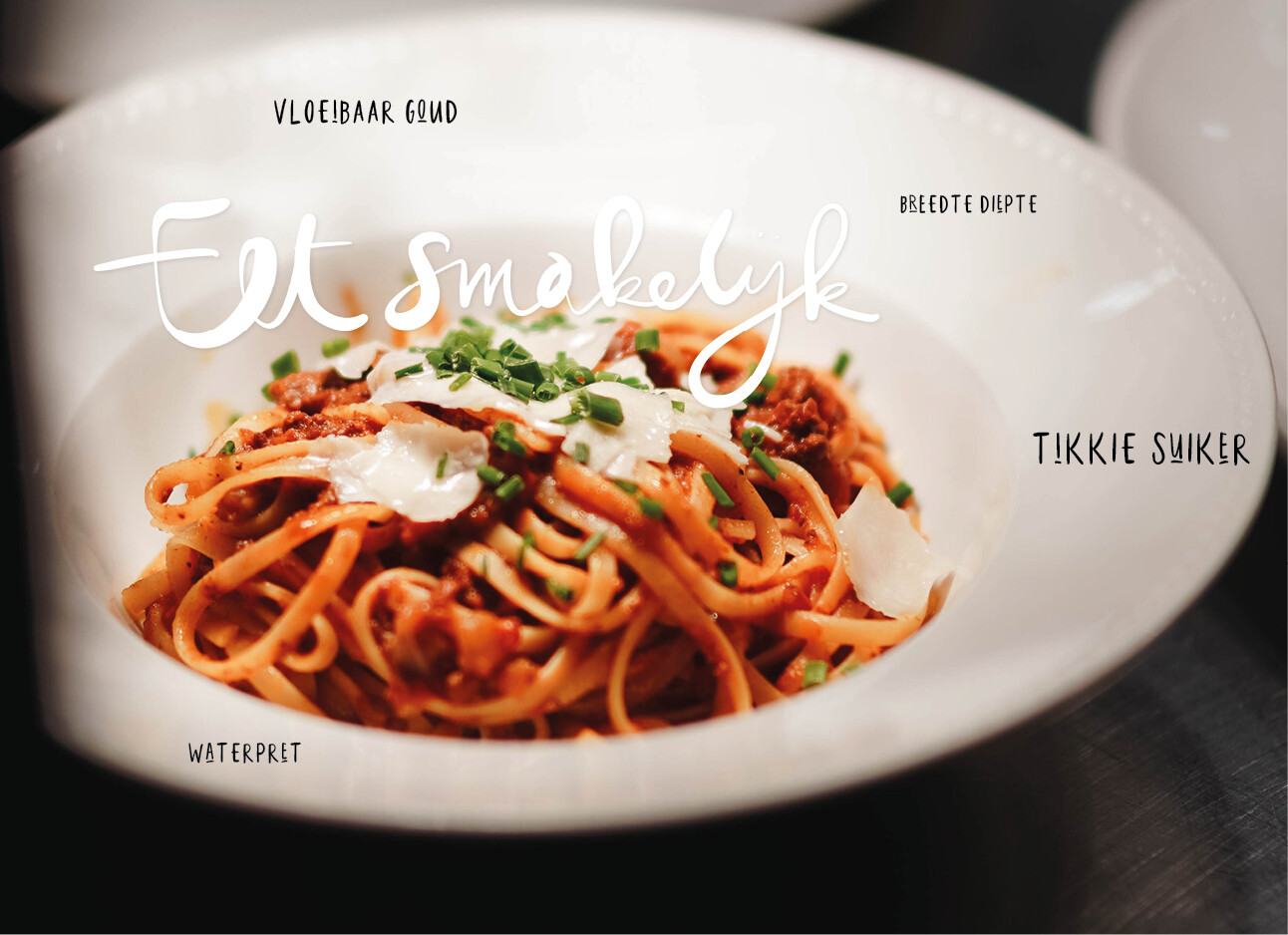
Say wine, snacks or haute cuisine and the gourmands at online food magazine FavorFlav know where to drink, how to eat it and what to cook. This time our cheffies serve you: tips from chefs for the best and simplest pasta.
We can never stop talking about pasta and secretly find it quite amusing that there are so many different opinions about how much water and salt exactly, whether or not to use oil, and so on. Some of these tips, which really come from chefs, will certainly lead to a good debate. But there is no doubt about a number of them, really! (Said everyone who ever cooked pasta...)
Pasta marinara, the original version with red sauce, is one of the simplest dishes that exist, but this is also a grateful topic for discussion. Still, these are the tips that you can use to elevate your plate of pasta from meh to bellissimo.
Make the sauce yourself
It may sound like a no-brainer, but first things first: put that jar of ready-made supermarket sauce back on the shelf. For the most basic version, you only need four ingredients: garlic, olive oil, basil, and two cans of peeled (plum) tomatoes. All chefs swear by San Marzano canned tomatoes. It's not the cheapest can, but that one and a half euros you save might be worth it since you don't have to spend much more. Give six peeled garlic cloves a whack with something hard, heat them in some olive oil, add the cans of tomatoes, and let it simmer for at least a quarter of an hour. Only add the basil leaves at the end. By the way, do all this in a deep frying pan or sauté pan, because your pasta will be added shortly.
Use a potato masher
An immersion blender is forbidden, but to break down those tomatoes, you can chop them with the edge of a wooden spatula, crush them with your hands (before they go into the pan, of course), or you can also use a potato masher. This will keep your sauce nice and thick.
Water fun
We keep hammering on this: use really plenty of water – enough that a large pot is just about to boil over. If you use too little water or a pot that is too small, the pasta will stick together.
Leave that oil out
There is a time and a place and a right destination for olive oil, and pasta water is not one of them. Remember: if you cook the pasta well in enough water, oil is not needed at this point. Save your nice oil for something else.
Nice sprinkling
In contrast to oil, you do throw quite a bit of salt into the boiling water. It brings out the flavor of the pasta (which you only add after the salt is in the pot). As we often say: don't be afraid of salt. If dosed correctly, it often makes things taste more like themselves. Bread without salt: flat and boring. Bread with salt: bread ‘as it should be’.
A pinch of sugar
A tiny pinch of sugar can also go into that tomato sauce. This ensures that it doesn't become a sour sauce, because the acidity of tomatoes is no joke.
Width/depth
That frying pan or sauté pan where you made the sauce was nice and spacious, right, with a high edge? Great, because now the al dente cooked pasta goes in there. Remove the pasta about three minutes before the indicated cooking time on the package (I do this with my favorite kitchen tongs), transfer it to the pan with sauce, and cook them together for another two minutes while continuing to stir. Every strand should be in a layer of sauce.
Your liquid gold
You'll never forget this, right, that your pasta water is worth its weight in gold? A cup of it in the sauce pan with the pasta you just added will also help it fully ‘connect’ with the sauce and the pasta.
Finishing touch
If you can't resist the urge to add something extra to the pan, let it be a small knob of butter. Once on your plate, a drizzle of your best olive oil and a generous grating of Parmesan cheese over your homemade victory and deep pasta happiness will be yours.
Image: Unsplash


