


This is how you write a book
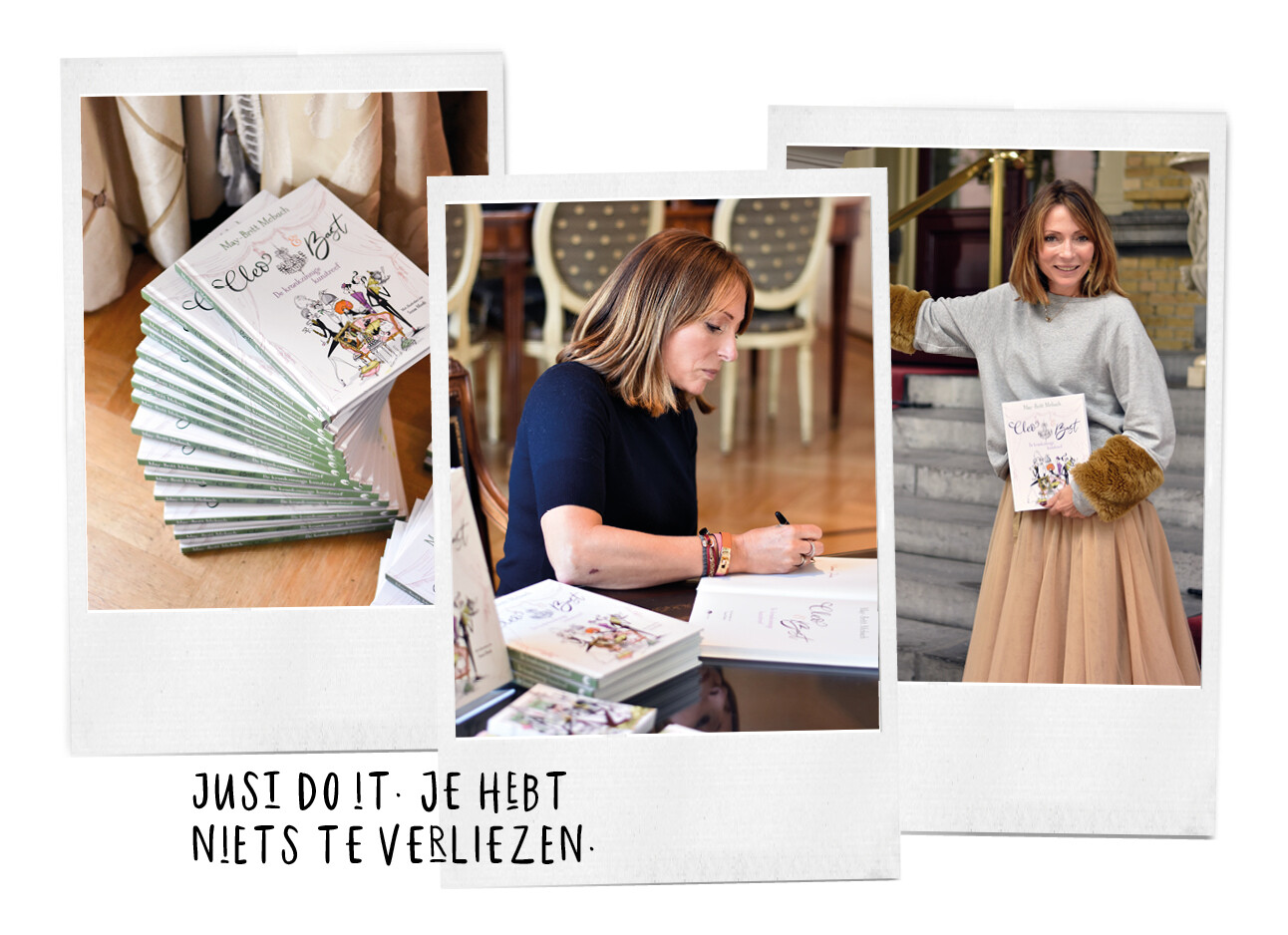
For many people, it's a dream: to write a book. I know so many women who have the idea, have even started, but whose manuscript ends up in a drawer again. What a shame. Because writing a book is fun, and reading it is too. So you're not only depriving yourself of a special milestone, but also us potential readers of a nice book. So let's get to it. Write that thing. As a fresh expert by experience, I might have some tips.
1. Do it with a publisher
Of course, you can also self-publish your book and sell it through Bol, but I strongly believe in the added value of a publisher. Let me list it out.
The curation
It's quite logical that you like your book. But when the publisher emails you back with a: ‘How nice, we believe in this’, you feel a bit more secure. At least, that gave me a really good feeling.
They have the contacts.
With the printer, with good designers, but especially with the stores. That retailer has probably never heard of you, so why would they buy your book? But if the sales manager of the publisher convinces them with some solid points about why your book is so fantastic, you're in.
The well-known stick behind the door.
That publisher sets the deadline with you, and you have to stick to it because at some point, brochures are printed, and the printing press starts rumbling. I really needed that.
The help.
My book was read by Luna, who runs Moon Publishers, the youth imprint of Overamstel, and she came up with such good feedback that I really benefited from.
2. Create writing moments
Before corona, that was Thursday evening for me. I would nestle in a nice café and start typing. When corona came, it became Friday afternoon at a slightly less glamorous spot, namely a picnic table in the dunes of Bloemendaal (also beautiful). But it's important to mark your writing moments. You need it to crawl back into your self-created world and not be disturbed by a daughter who wants to go over ballet positions or a rattling WhatsApp timeline. I turned everything off and let everyone know that I was in the bubble for a few hours.
3. Read aloud
That definitely helps to bring language errors and messy sentence structures to light, but it also allowed me to better empathize with the recipient. Was it exciting? Understandable?
4. Start each session by rereading
At least with the last chapter you wrote. This way, you know exactly where you were, and you prevent duplications or contradictions.
5. Enjoy the ride
I postponed writing a book for a long time because I often heard people around me sigh that writing a book was so much work. I didn't experience it that way: every minute was a celebration, right up to the correction rounds. To quote Nike: Just do it. You have nothing to lose.


