


What is the purpose of these 8 animals?
In my front yard, I saw a false black-and-white magpie pecking at a frog on the path. Being an animal lover, I saved the little green croaker from certain death. But why actually? Because I can't stand unnecessary bloodshed, of course, but I have no idea what the purpose of a frog is. Or a wasp. Or a jellyfish. What purpose do these animals actually serve?
1. Jellyfish
The jellyfish is made up of 95 percent water and almost nothing else. They have no brains, no digestion, and no heart. By the way, did you know that a jellyfish can't swim at all? Ha-ha-ha, I find that funny. But anyway, back to the purpose of this animal. It seems that jellyfish stir up various substances in the water, but also mix the deep cold water with the warmer water on top. Small fish can hide among the tentacles of a jellyfish and survive that way. Furthermore, the jellyfish is a delicacy for turtles and some fish, and it itself eats little shrimp, keeping the population stable. By the way, did you know that a jellyfish can still sting when it's dead? And that a jellyfish can even sting after being eaten by an octopus and you eat that again? Okay, fascinating creatures, those jellyfish.
2. Wasp
The insect I hate the most . I had a total of four (!) wasp nests in my garden. Why does this creature exist? Actually, it's quite simple: wasps eat other insects, making them a natural pest control. There would be many more infestations if wasps didn't exist. Okay, okay. Although I just can't imagine that they are useful in my wine glass or salad.. Ik had in totaal vier (!) wespennesten in mijn tuin. Waarom bestaat dit dier? Eigenlijk is het best simpel: wespen eten weer andere insecten waardoor ze eigenlijk een natuurlijk bestrijdingsmiddel zijn. Zo zouden er veel meer plagen zijn als de wesp niet bestond. Oké, oké. Al kan ik me gewoon niet voorstellen dat ze nuttig zijn ín mijn wijnglas of salade.
3. Fruit fly / drosophila melanogaster
Let's start with a really gross fact: the fruit fly can live for another 24 hours in a refrigerator. In the wild, one fruit fly lays about fifty to a hundred eggs, in case you're wondering where those little pests keep coming from. But the fruit fly is especially useful for humans because it is built the same way we are. Therefore, it is extremely suitable for scientific research.
4. Frog
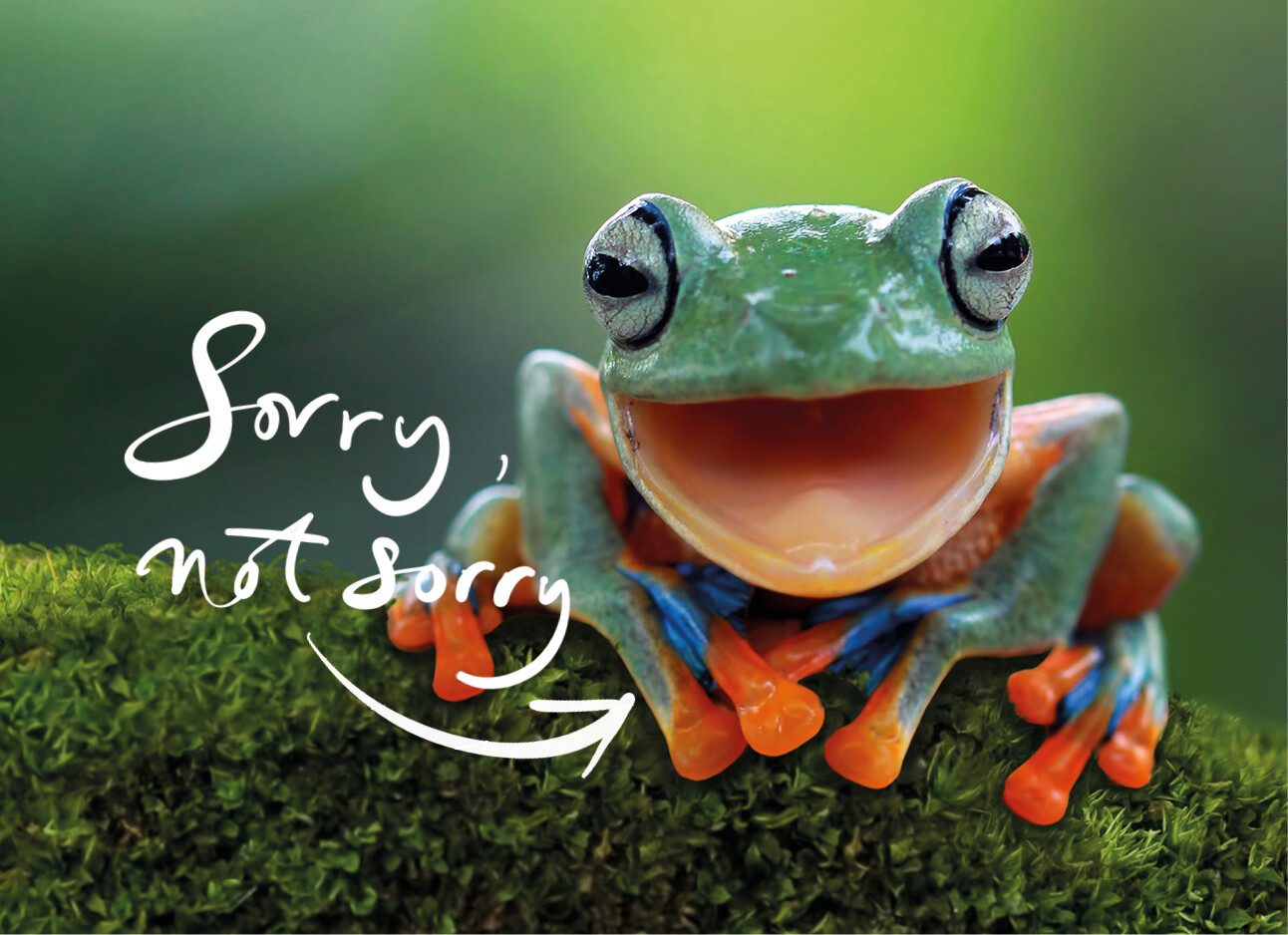
This is a matter of eating and being eaten. The frog eats many animals and is eaten a lot. This keeps things in balance.
5. Snail
The hollyhocks in my garden looked more like Swiss cheese, and whole leaves were being eaten away. The culprit? Snails, from tiny ones to the big ones in hefty shells. Their weakness is also their strength, as snails clear away dead leaves, serve as food, and aerate the soil.
6. Maggots
Maggots are simply the larval stage of the fly. I recently got a compost bin (that's what you get when you move to a village), and when the temperature goes above thirty, the wriggling little creatures appear. Damn it, but anyway, what purpose do they serve? A lot for fishermen, as they use them as bait. They can also be used for a difficult-to-clean wound, but just spray a liter of Betadine on that for me.
7. Cockroaches
Besides the fact that the cockroach is as old as Methuselah, can hold its breath for forty minutes, and can squeeze through something that is a quarter of its body size, I can hardly discover much about these creatures. They are omnivorous cannibals, so in the extreme case, they also eat each other. There are about five thousand species, of which two actually want to sit in your kitchen drawer. No idea what else they are good for, but they will probably outlive us.
8. Mice
A mouse eats, besides all the electrical wires in the house, also spiders, earwigs, and silverfish. So useful, even though. Except when they reproduce excessively and move in with their family in your house.


