


What is bulk drinking actually and why is it good for you?
From former model to nutrition consultant, Michelle den Hollander flew around the world from shoot to show, but also experienced the struggles of having the ‘right’ measurements. This brought her to where she is now, and on Amayzine she shares tips.
Every person is different and that's a good thing, otherwise it would be such a boring affair, don't you think? This also means that each person reacts differently to food and drink. Some prefer to eat smaller portions throughout the day or take a few sips regularly, while others may only eat and drink two or three times a day and then in larger quantities.
Recently, I told you about bulk drinking: drinking a larger amount of water at once until you are no longer thirsty. Now I received a few questions about this, and I will explain how this works with eating and drinking.
Bulk drinking
The most important thing is of course that you drink enough water, but for your body, it would be even better to drink a larger amount of water a few times. This way, your body only needs to expend energy a few times to process the water, and the engine doesn't have to run all day. It is also better to drink between meals, up to half an hour before the meal and not during or right after eating. This slows down your digestion, and not all nutrients are extracted from the food. With small sips throughout the day, you are also more likely to do this during and after eating, so you drink when you are thirsty and then a large amount at once. If you look at nature, you see that animals drink until they are satisfied and do not take a few sips at a time. But there are of course exceptions. There are people who simply cannot manage to drink large amounts or someone is not used to drinking water and benefits from those sips taken throughout the day.
And what about eating?
If you eat often, your body constantly needs energy and has to work more often to digest your food. This means it can focus less on other tasks, think about cell repair. With a longer rest period, there is enough recovery time for your body for example to heal wounds and recover from ailments. Additionally, you have a more stable blood sugar level because there are fewer blood sugar fluctuations. Intermittent fasting is a good example of this eating pattern. You can choose to eat normally five days a week and fast for two days a week. Or you eat according to the 16-8 schedule: not eating for sixteen hours straight and eating for eight hours. This way, your body gets eighteen hours to rest and/or focus on other tasks than digesting food. There is a downside to this as well. Not everyone can exercise on an empty stomach in the morning, and not everyone can maintain this eating rhythm, which can lead to compensatory behavior. Or your weekly planning looks different, causing you to deviate from this schedule.
TIP:
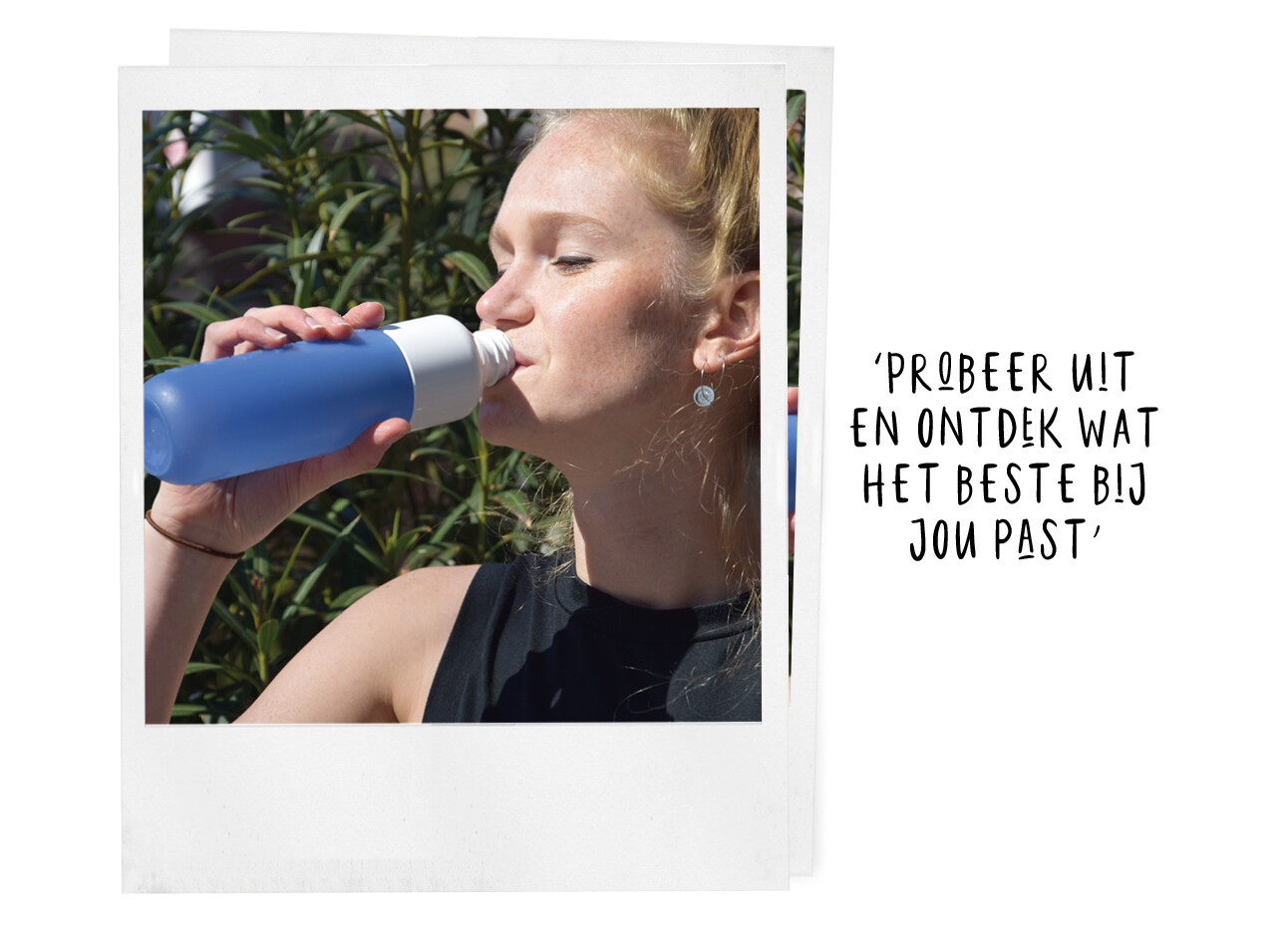
Try it out and discover what suits you best.
Note:
A dietary pattern like intermittent fasting is not suitable for pregnant and lactating women. In the case of adrenal fatigue, it is good to monitor how your body reacts to this and whether the low blood sugar level and/or a lethargic feeling improves after a few days.
Michelle den Hollander is a nutrition consultant and hormone expert. With Michelle's Good Food, she shows that a healthy lifestyle is not a punishment and can also be easy. This way, she helps you choose delicious and good food to feel better. Want to learn and read more? Visit her online.
Written by: Michelle den Hollander


