


Make your beauty routine sustainable in 3 steps
A question you may have never thought about: how sustainable is your beauty routine? Sustainability is now more important than ever in the beauty industry. Packaging is designed to be recyclable or refillable, and you see more and more brands with a cradle to cradle certificate. Charities are supported and missions are launched. Like at Aveda, which raises two million euros for clean drinking water for people in need especially for Earth Month. They are also the first in Europe to launch a CO2-neutral shipping program for all online orders. I am incredibly happy about these kinds of developments and I am not the only one. Geertje and Robbie have started the ‘Greenbeauty Market’ with only natural products, without fuss. I wanted to know more about this, so I spoke to Geertje about everything related to natural, clean, and organic products. Because what is actually the difference? And what can you do today for a sustainable cabinet?
There is a lot of confusion when we talk about clean beauty, because this term is applied differently by everyone. What is clean beauty?
‘Clean beauty is indeed not regulated or legally defined. These are products that are free from toxics, also known as ingredients that can be harmful to your health, as they can disrupt your hormonal balance or cause skin irritations. Products that we label as clean are free from all ingredients on our dirty list, which you can read here..’
And natural beauty?
‘Here you always have to pay attention, because this is also not regulated. You quickly see ‘natural’ on a package while the product is not 100 percent natural. Suppose you have a perfume that consists of 85 percent plant-derived alcohol, that says nothing about the remaining 15 percent of ingredients. If you want to do something good for yourself and the planet, you can choose natural products. But it’s not that easy, because how is the ingredient grown? Is the ingredient effective? How is it packaged? And we can go on like this for a while. We try to be as transparent as possible about the products we sell and work with brands that share the same vision about sustainability. ‘Natural’ is not necessarily effective, so our role in this is extremely important.’
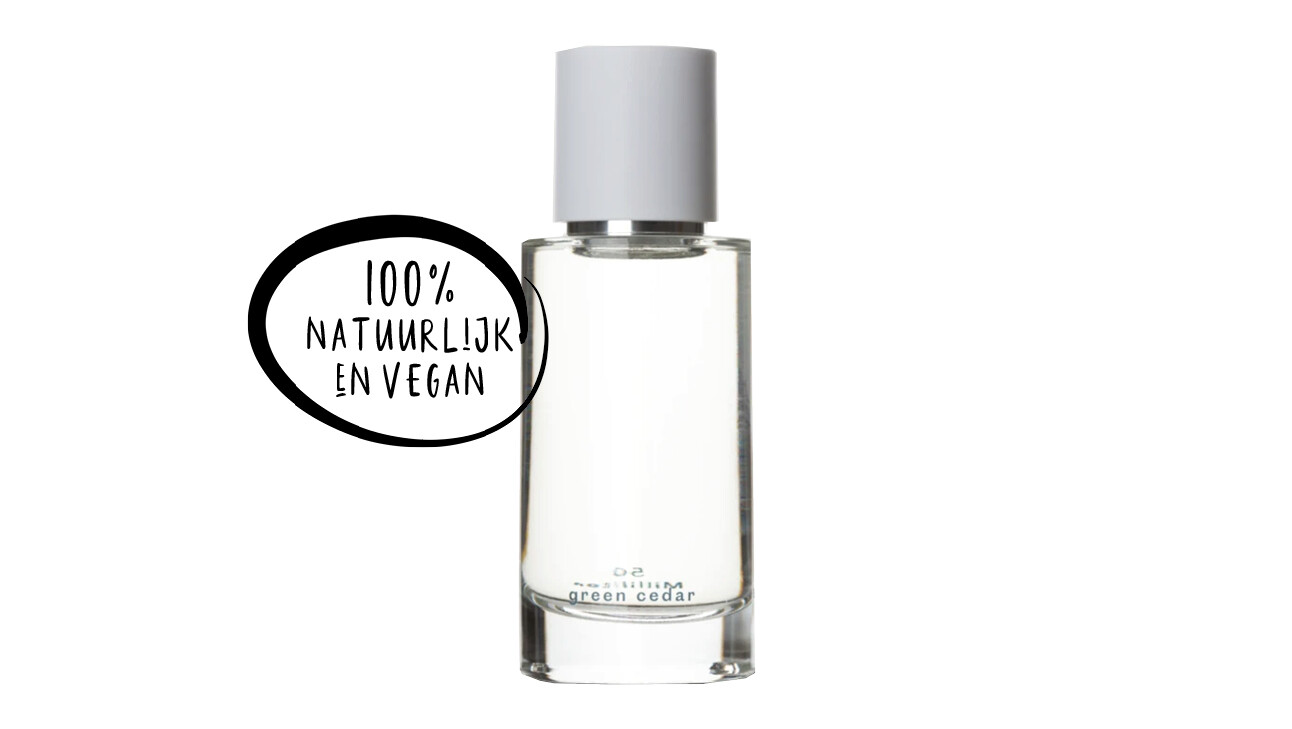
Natural perfume, from €58,- Abel
Is organic then also different?
‘This does say something about the way the natural ingredients are grown. Think of products without pesticides (chemical pesticides) or fertilizers.’
Can you trust the quotes, logos, and stickers that are on products?
‘I believe you are better off buying through a platform or brand that you trust and that does the research for you, especially since some labels don’t say much and the labels clean and natural beauty are not regulated. Stay critical and ask your questions, check the INCI list or use the app Think Dirty if you want to know more about your products.’
What are the steps you can apply today?
‘Start by replacing your top three most used products with a (more) sustainable alternative (finish your product before starting something new). For example, start by replacing your deodorant, day cream, and SPF.’
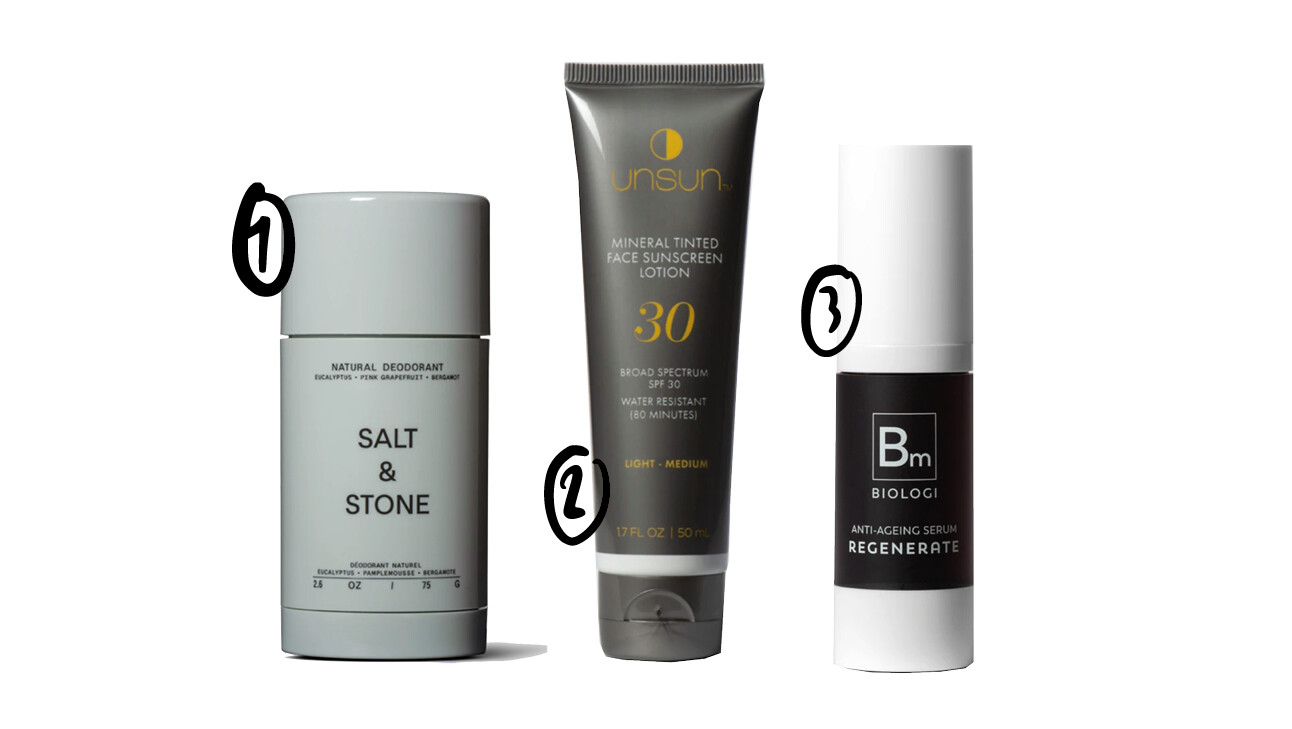
1. Natural Deodorant, €22,- Salt & Stone,
2. Mineral Tinted Face Sunscreen SPF 30, €29,90 Unsun
3. Regenerate Anti-Ageing Serum, €87,- Biologi Bm
What will packaging look like in ten years?
‘Fortunately, we see more and more change, which is very important when we talk about sustainability. Shampoos and conditioners are sold in bar form without plastic packaging, as ingredients like water are increasingly left out. We are fortunately seeing this with more and more products and brands.’
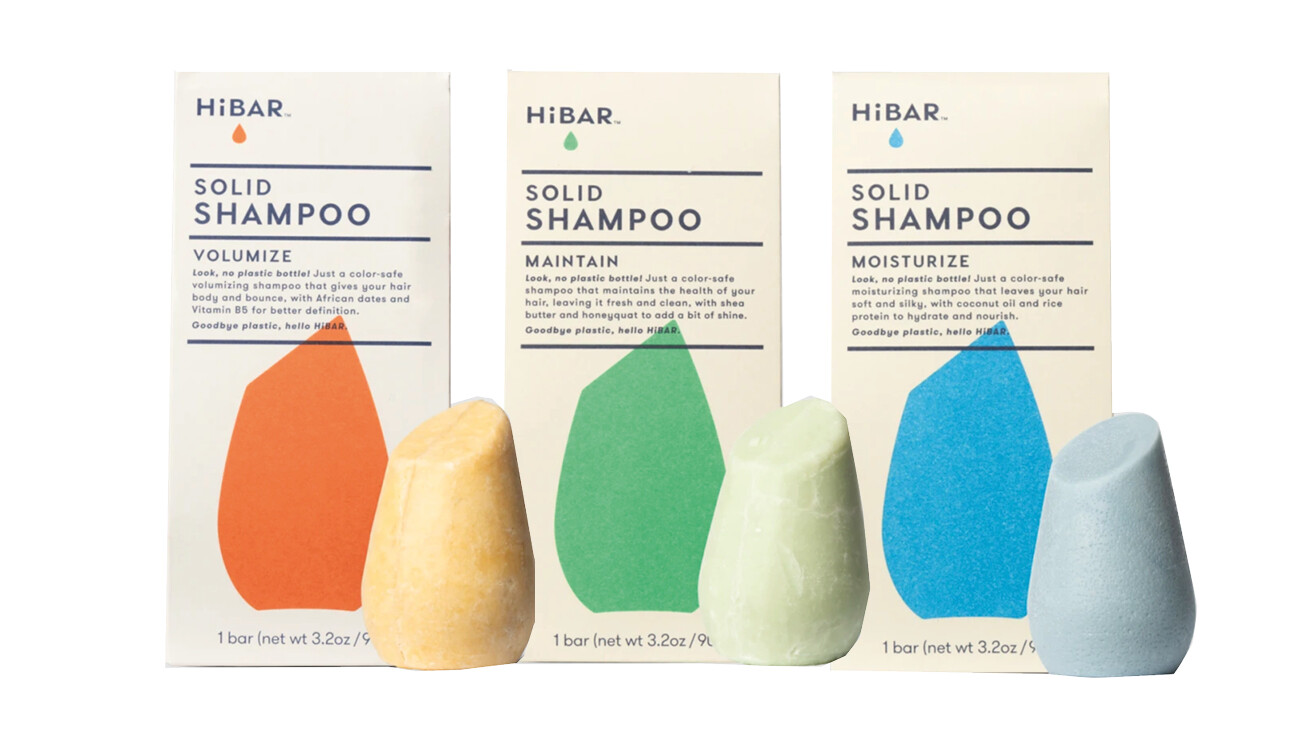
HiBAR shampoos and conditioners, €16,25 Greenbeauty Market
Can we do without synthetic raw materials?
‘For the most part yes, but sometimes a small percentage is chosen for shelf life, a certain color intensity in makeup, or because only natural raw materials are not ethically available.’
Is it really better for the environment and your skin?
‘A sustainable and biodegradable ingredient is better for the environment, but we must continue to look at the whole picture. Palm oil is a good example: it is natural, but because its extraction goes hand in hand with complete deforestation, the ecosystem is destroyed. Not really better for the environment, right? There are organizations like Palm Done Right that grow palm oil in an ethical and sustainable way in Ghana, because it can be done. It’s not that all clean or natural products are good, that also varies by skin type.’
Does skincare lead over makeup when we talk about sustainability?
‘Not necessarily in the offer, but certainly in the demand from consumers, I think. People are more aware of the ingredients in skincare like a nice cream because it is directly absorbed by the skin, but this is different for makeup.’


