


Sorry, but saying sorry is bad for your health
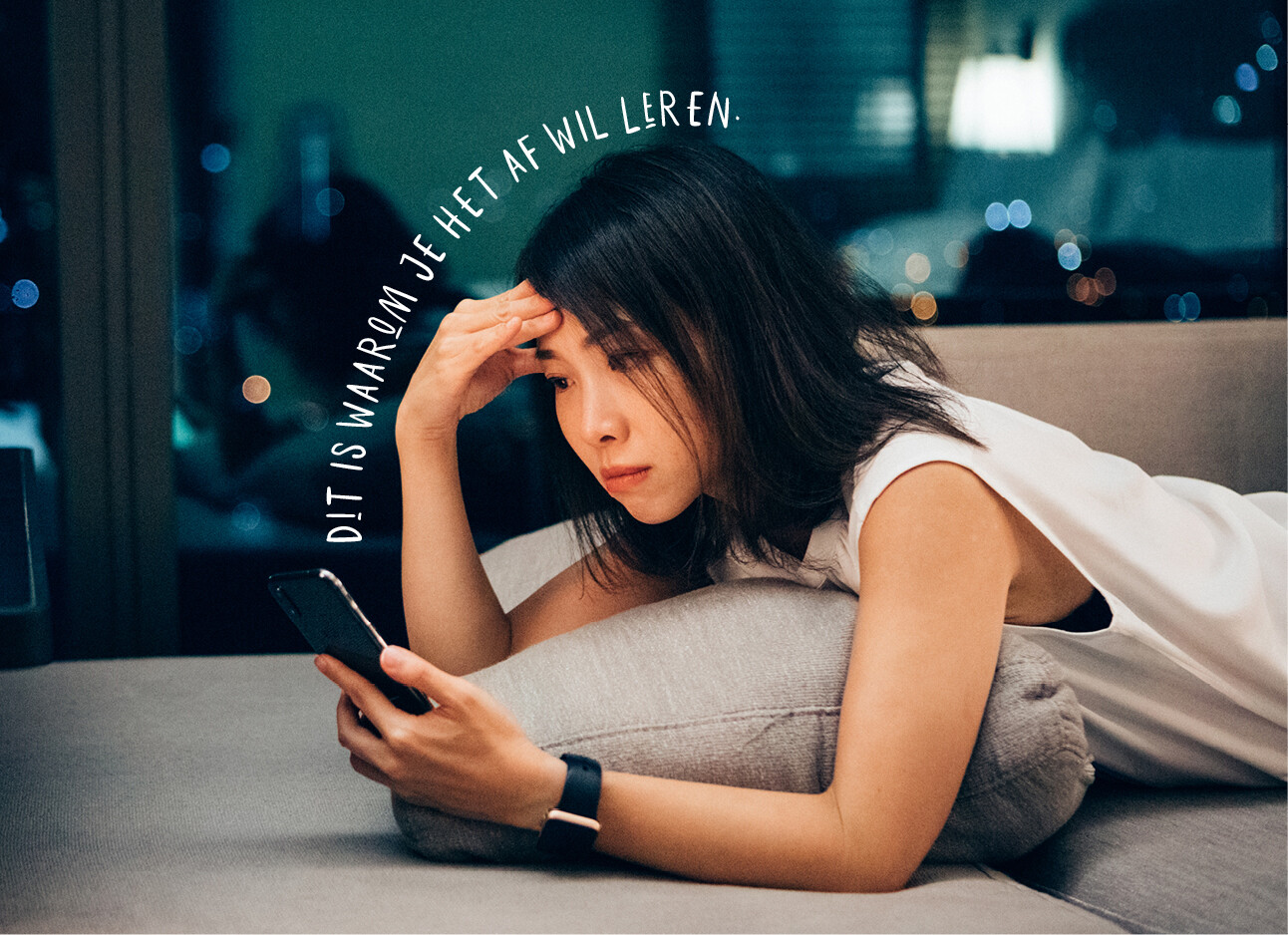
The slightly younger version of myself almost always started every sentence with: the word sorry. I used it so often as a teenager that it became a standard mechanism. My mother would always say: “Sorry? That doesn’t buy me anything.” And so I learned to stop, because why on earth would I apologize so often? apologizing? That is not necessary at all and is also bad for your mental health.
By the way, women do it much more often than men. I just noticed it again. After a year of seeing fewer people, I find myself in company again, and suddenly the sorry’s, especially from women, are flying around me. Why would you sprinkle sorry’s for things you don’t even need to apologize for? It turns out to be something biological, because women go for harmony and therefore try to avoid conflicts by softening things in advance.
I also sometimes find things awkward about myself, like calling someone back days later or eating the last piece of cheese. It sometimes feels a bit silly, but do you have to apologize for that in every case? No, say the experts. Saying sorry can actually make you mentally weaker. Not only in the eyes of others, because they see you as insecure, but also for yourself. If you consciously stop apologizing often, it actually gives you more self-confidence and you stand much stronger in life. Which is good for your mental well-being, just do the math.
The remarkable thing about all that sorry is that the recipient often doesn’t feel better because of it. That may have something to do with the sincerity of the apologies. If you say sorry all day at the beginning of a sentence, it comes across as a bit less sincere. It can even make you the target of someone who is just a bit less fond of you.
So stop saying sorry, it will ultimately make you more confident. You just keep those sincere apologies in your pocket for when it’s really needed.
Source: LINDA


