


Whut: these bakers sell croissants from the supermarket
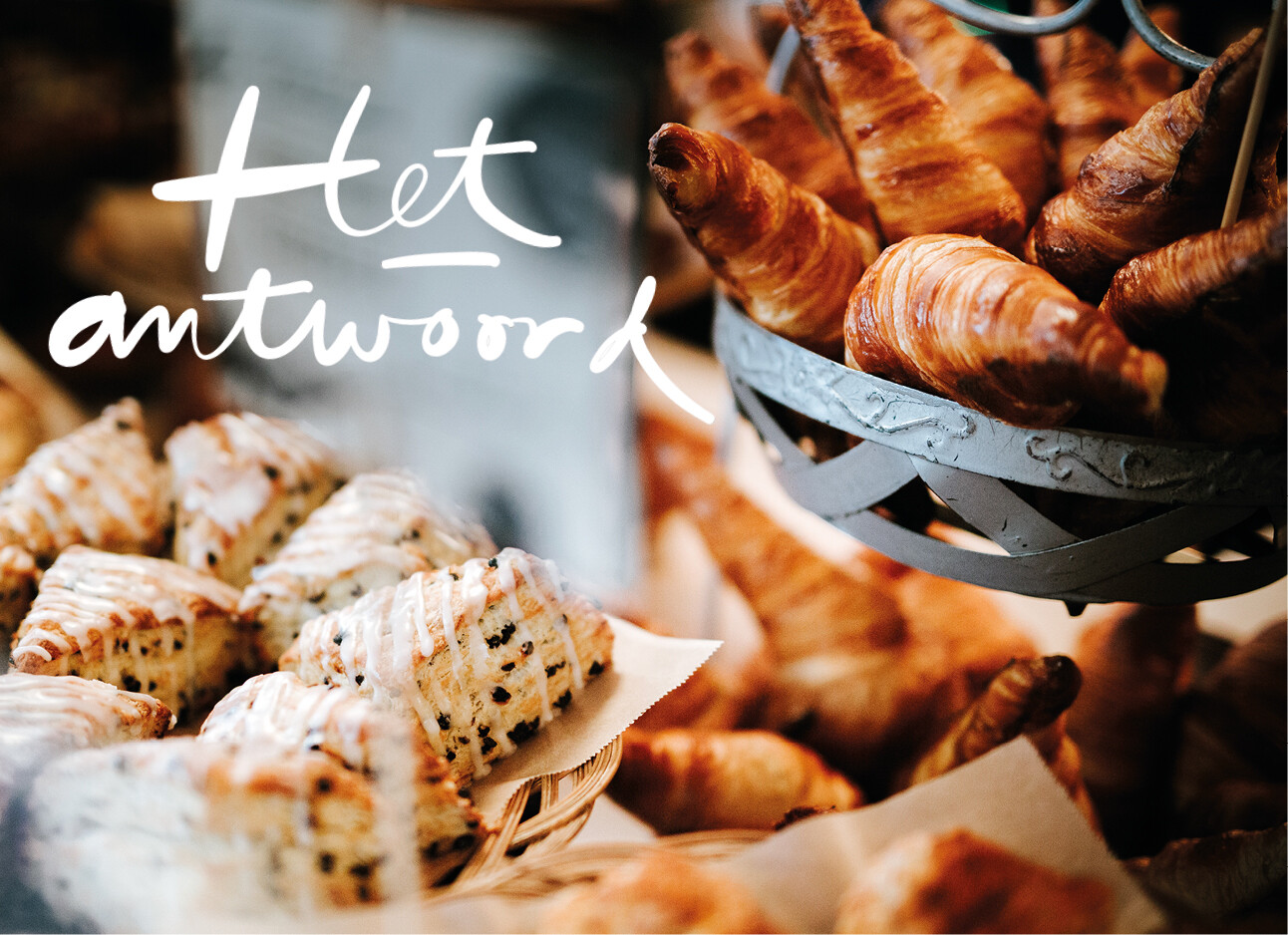
Say wine, snacks or haute cuisine and the food lovers of online food magazine FavorFlav know where to drink, how to eat and what to cook. This time our chefs serve you: to make today: these bakers sell croissants from the supermarket.
Just like the baguette, the croissant is sacred to the French. Not only in France do they eat millions of them each year, but we in the Netherlands are also crazy about the crescent-shaped puff pastry rolls. Preferably, we get this French classic from the baker and not from the supermarket. Because from the baker, they are simply tastier and fresher... or are they not?
The croissant under the microscope
At the baker, you pay a lot more for a croissant than in the supermarket. Of course, you are willing to pay that because you assume that these croissants are made by hand and baked fresh throughout the day. But is that really the case? The Quality Control Agency investigated.
Threatened with extinction
And what turns out? A croissant from (almost all) bakers in the Netherlands is anything but homemade! They receive, just like supermarkets, frozen croissants delivered from the factory. Even in France, the artisanal croissant is threatened with extinction. And for both bakers and supermarkets, the purchase price of a croissant is the same (20 cents).
The fact that bakers choose not to make croissants themselves anymore seems mainly related to the complicated and time-consuming (3 days!) process. One day the dough is made, the next day the baker folds in the butter, and on the third day, the oven procedure follows. But then you have something: a real croissant has that seductive smell of butter, an airy structure, and crumbles when you poke it with your finger. It falls apart so easily. Pure finesse that can only be achieved with real bakers' hands, but not by a machine.
The price difference
But how is it possible that you often pay four times as much for a machine-made croissant at the baker than for the same variant in the supermarket? This has to do with the fact that the price that was once asked for homemade croissants, and now for the factory variant, has not changed. And besides: if one baker can sell it for €1.20, the other baker can of course do the same, and thus competition also ensures that the price remains just as high. After all, the supermarket keeps this price low to attract customers who also do the rest of their shopping at their store, while the baker has to rely solely on his bread and therefore cannot afford a lower price.
A small side note: not all croissants contain the same amount of butter. An employee of a croissant bakery mentions in the program that there are different recipes for different customers. One croissant contains 12 percent butter, while another croissant contains 30 percent. In any case: the factory croissants are not bad at all. A bit of butter on top, some jam: delicious!


