


5 fun facts about blue cheese
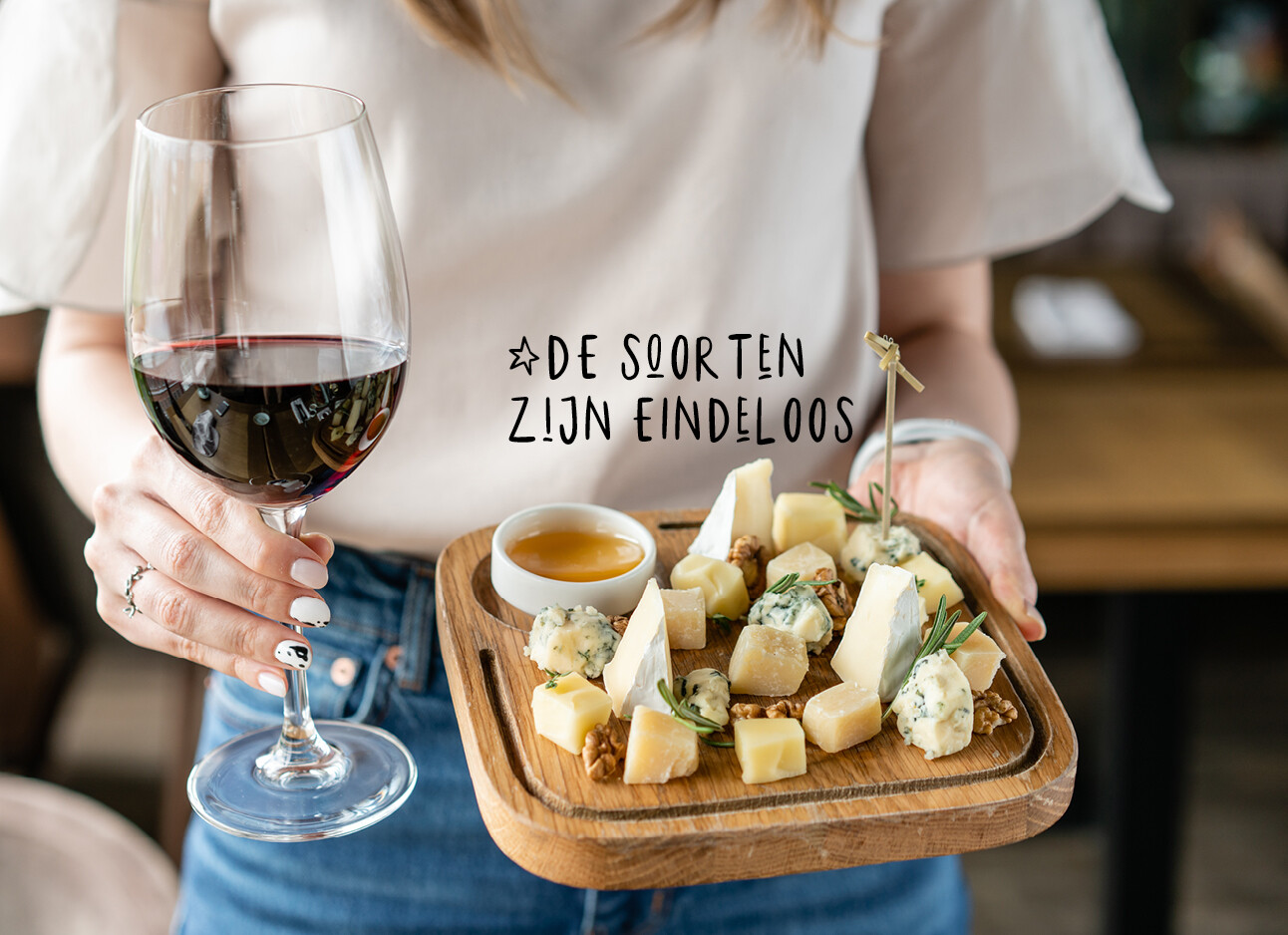
Say wine, snacks or haute cuisine and the gourmands at online food magazine FavorFlav know where to drink, how to eat it and what to cook. This time our cheffies serve you: facts about blue cheese.
Blue cheeses: if you're sensitive to smells, these first two words might have already chased you away. But there are certainly enthusiasts, and they are adamant in proclaiming their love for these stinkers. We love them too and are happy to present these surprising facts for you.
The varieties are endless, and almost every Western European country has its own traditional blue cheese. Also in the Netherlands, great blue cheese is made. This European diligence fortunately means a lot of choices at the supermarket or your favorite cheese shop and many delicious combinations, such as with pear or with nuts, quince jelly or fig bread, and so on. And did you know this?
Just give me a cheese pill
No, that doesn't work if you're sick, but the fact is that the blue mold Penicillium roqueforti in blue cheeses is a distant relative of the mold Penicillin, which was the basis for antibiotics. It also gives the veins in the cheese that special blue color.
Setting a needle
These veins are often helped along in many cheeses by poking air holes in the cheeses. By allowing oxygen in this way, mold formation occurs. In the past, those holes were poked with wooden pins or pins made of bone; nowadays, this is done with long stainless steel or copper needles, often mechanically.
Zola
This is not only the last name of Émile, the very productive French writer who lived in the nineteenth century, or the first name of Eddie Murphy's daughter; it is also the nickname of gorgonzola, one of the most popular blue cheeses in the world with an annual sales of around four million from the Italian town, yes: Gorgonzola.
Pairing up
Blue cheeses, as intense as they can be, go well with wines that lean towards the sweet or even distinctly sweet, such as dessert wines. A logical choice is port with cheese after a meal or a creamy Sauternes, but a sweet sparkling wine can also be surprisingly delicious. So if you come home with a demi-sec bubble because you didn't read the label properly (it happens to the best), then you know what to do next time: head to the cheese shop, nothing more to it.
Crazy Henkie Charles
King Charles VI of France, who mentally deteriorated so much that his nickname is ‘the Mad’ (and not in a good way, but insane), must have meant something good. He was the first to grant an AOC (Appellation d’Origine Contrôlée) in 1411 to the area where the caves are located in which Roquefort has been made for centuries near the village of Roquefort-sur-Soulzon. This designation has since become a great asset in the protection of various products that may officially only be produced in a certain region to bear that name.


