


11 EATING AND DRINKING RULES THAT ITALIANS SWEAR BY
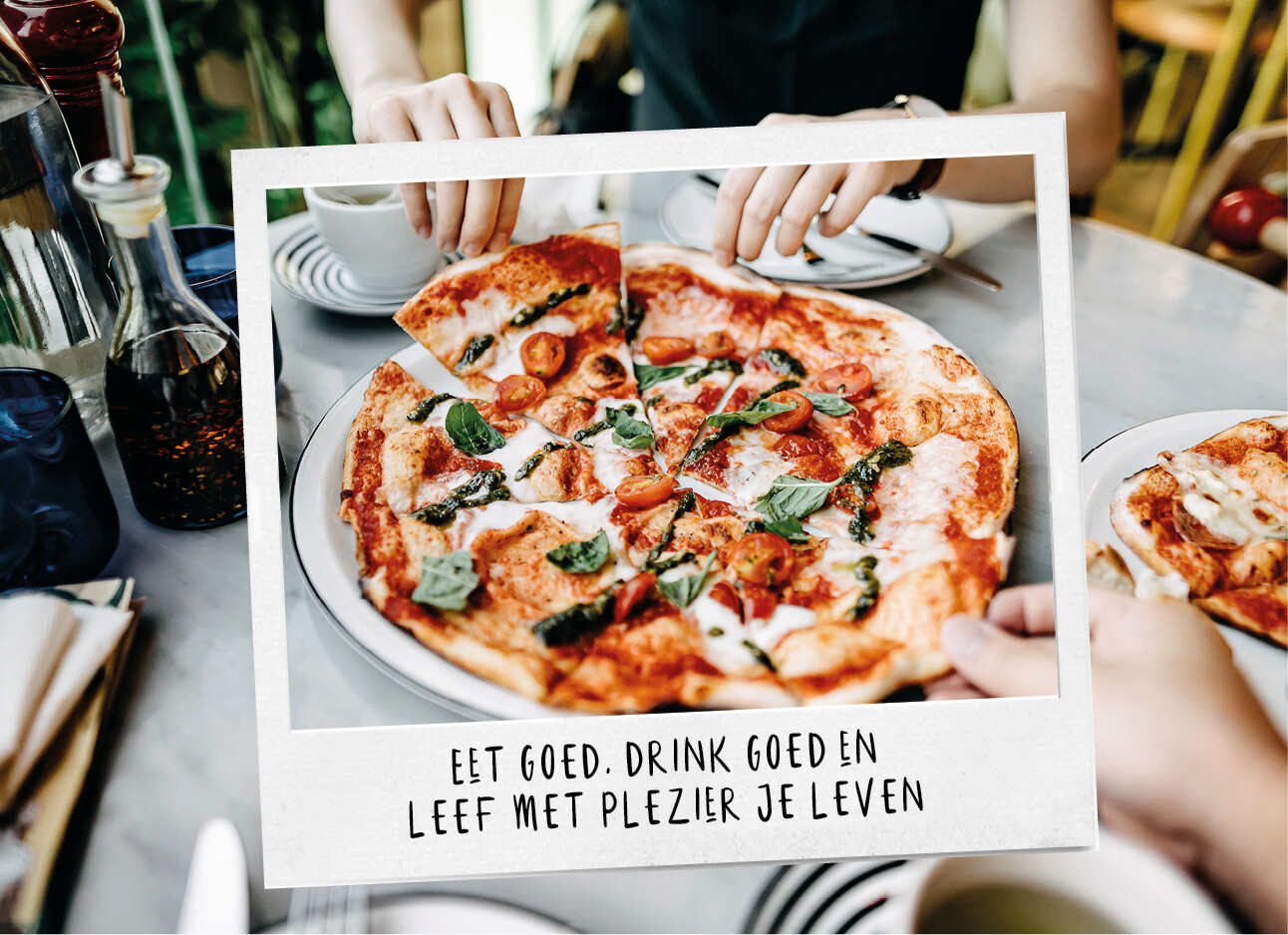
Say wine, snacks or haute cuisine and the gourmands at online food magazine FavorFlav know where to drink, how to eat it and what to cook. This time our cheffies serve you: 11x eating and drinking rules that Italians swear by.
That Italians are critical and strict when it comes to Italian cuisine, we know. They pull their hair out in anger at the sight of these ‘pastas’ and prefer to make a spaghetti alla carbonara the traditional way. Simple but pure, that’s what it’s all about in the cucina Italiana. Do as the Italians do? With these 10 golden rules, you can do it.
Italians and their eating habits: two things that are inseparably linked, you could write a book about it. For Italians, food is very important and especially: the quality of the products they eat. Good food is also much more than just quickly filling the stomach; it’s mainly a moment to share with each other.
Bite, swallow, gone: no!
Piano, piano, take your time and enjoy an elaborate meal, preferably together with family and/or friends: Italians approach it very differently than the Dutch. I find it wonderful how Italians take their time for the meal. From the first sip of freshly brewed espresso to the last sip of Limoncello; for Italians, it is of vital importance with whom, what, and where they consume their food and drink – and especially how.
Fresh products from the market
The market is your best friend. Sure, the food you buy in the supermarket is good too, but at the market, you find fresher products with more flavor. Vegetables, cheese, fruit, meat, or olive oil; Italians prefer to do their shopping at the local market.
Seasonal vegetables
And those fresh vegetables are especially seasonal vegetables. Tastier and cheaper than vegetables that are flown in from elsewhere. By the way, did you know that lemons and carrots are always in season in Italy??
Remember, this is how it should (not) be
Breakfast with sandwiches? Non è possibile! You won’t find breakfast as we know it in Italy. If you walk to work, you stop by a bar to enjoy a cappuccino or espresso e brioche. Espresso or cappuccino, both are fine. Except after eleven, a cappucc’ (pronounced: kapoetsj) is only drunk in the morning. A real Italian switches to espresso. And a coffee with milk after a meal is completely out of the question.
Olive oil for tutti
Olive oil is really used everywhere. Even when baking cookies, this liquid gold is used. And olive oil in a cake is also a very good idea!
Order of courses
You start with an antipasto; a cold appetizer meant to stimulate your appetite. Then comes the warm appetizer, which is a pasta: for us, a main course, but in Italy, it is one of the Primi (appetizers). Italians are the biggest pasta eaters in the world, averaging about 28 kilos per person per year! Besides the well-known spaghetti and maccheroni, there are about 300 other types.
I Secondi is the main course. This can consist of meat or fish. In the Netherlands, when you order a main course, you usually automatically get vegetables and potatoes served as a side dish, but in Italy, you will have to order these contorni separately. Never order risotto or pasta as a side dish; that is really not done.
Wine goes with it
Wine goes with food. Italians prefer to wait until the food is on the table before drinking a matching wine. And that can be anything, but almost always from their own region. Italy is a wine country par excellence; every region has its own indigenous grape varieties.
Aperitivo and digestivo
After lunch, Italians snack just like the Spaniards on something sweet that is also called merenda. The afternoon begins with an aperitivo such as an Aperol Spritz or Negroni accompanied by some salty snacks. In the bars or on the terraces, a ‘snack’ from the house is often offered alongside your drink. This varies from a bowl of salty chips and olives to a piece of pizza or small tramezzini. A digestivo is an after-dinner drink, often grappa or amaro, and is good for digestion. Have you ever heard of Ammazzacaffè? This literally means coffee killer. This drink, often a herbal liqueur or strong grappa, is often drunk at the end of the meal as a digestif.
Bread for dipping and soaking
Bread is not like in our country something you eat beforehand with herb butter. In Italy, you use the bread to dip and soak in the leftover juices and sauces from the dishes.
House wine, delicious and local
House wine may have a somewhat cheap image here, but in Italy, that is not the case. The house wine on the menu at a restaurant is often from a local winemaker and therefore cheaper, but certainly not less tasty.
La Sacra Famiglia
Food and family are inseparably linked. Especially on Sundays, Italians love to come together for a family dinner. Sunday is the day when you go to La Mamma or to a restaurant to enjoy all the courses together with family and friends. Eat well, drink well, and live your life with joy, a motto worth living by.
Also stop immediately
Now that you know these Italian rules, you are just a small step away from eating and drinking like a real Italian. But never do this again:
- Do not put olive oil in the pan before the pasta is cooked.
- Do not put ketchup on pasta: a culinary sin!
- Chicken in pasta is not Italian; no one in Italy serves it this way.
- Don’t think that spaghetti bolognese comes from Bologna; it is never served there and moreover, you should eat it with tagliatella.
- Caesar salad is not Italian: the discoverer Caesar Cardini is indeed Italian, but the dish is not.
- Do not use red-and-white checkered tablecloths; you only see them in tourist areas and they are not Italian at all.


