


This is the recipe for the softest brioche
Say wine, snacks or haute cuisine and the gourmands at online food magazine FavorFlav know where to drink, how to eat it and what to cook. This time our cheffies serve you: the softest brioche.
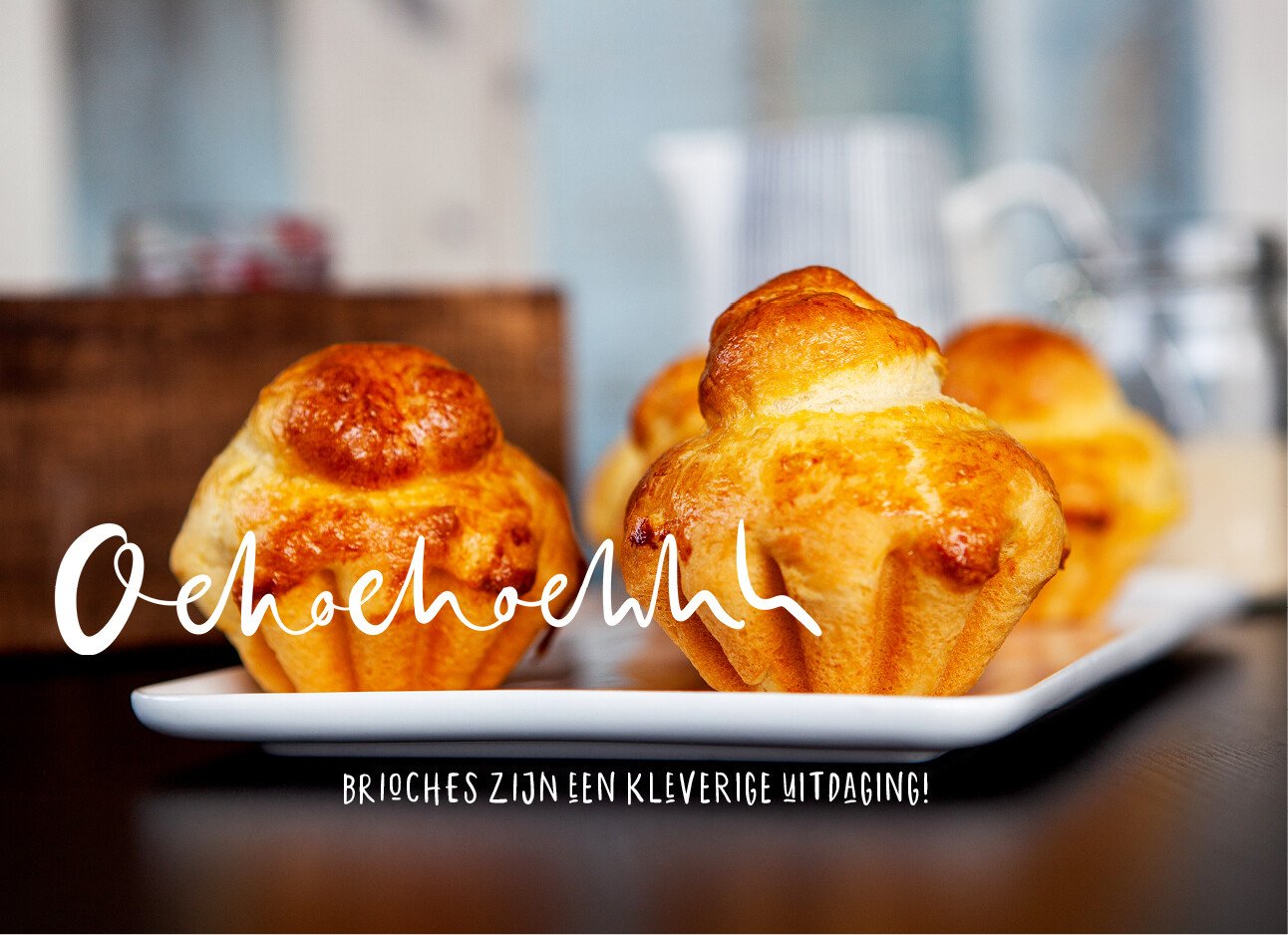
A luxury bun that looks like a party hat: what's not to love? Soft, sweet, and shiny, brioche is as decadent as bread can be.
INGREDIENTS
120 grams of butter, at room temperature
25 ml of milk, lukewarm
4 grams of dried yeast
10 grams of honey (2 teaspoons)
170 grams of flour, and some extra for dusting
pinch of salt
2 eggs + 1 extra egg for brushing
Brioche is made from bread dough enriched with butter, eggs, a bit of sugar or honey, and sometimes even milk. This becomes a sticky eh... challenge for home bakers, as it sticks to your fingers, the mixing bowl, the countertop, and pretty much everything else. But those extra ingredients provide a golden color, a sweet, almost creamy taste, and an irresistible aroma. Brioche with homemade raspberry jam? Classic. Hamburger bun with brioche? Why not! French toast made from brioche? Never had such delicious leftovers.
Parisian rolls
The most characteristic shape of a brioche is a round, high bun with a ball of dough on top, which is the brioche Parisienne. But it also has other shapes: in Nantes, two thick strands of dough are placed against each other in a loaf pan, which form a whole during rising. Master baker Robèrt van Beckhoven (from Heel Holland Bakt) makes brioches from six or eight dough balls that he snugly places against each other in a loaf pan. In Provence, wreath breads are also made from brioche dough, decorated with dried fruits and sugar.
Food processor ready, let's bake
Come on, people, let's get to work. Take your time, as the dough needs to rise overnight in the fridge. The butter makes the dough stiffer, and it takes much longer for the yeast to do its job. If you have a stand mixer, now is the time to take it out of the cupboard. As mentioned: the dough is sticky, but the KitchenAid has no problem with that. With this recipe, you can make ten small brioches; in a muffin tin or one large one in a loaf pan.
Here's how to make the brioche
- Knead the butter lightly and creamy in the food processor. Stir the honey into the lukewarm milk, add the yeast, and wait for the yeast to activate. The mixture will start to foam.
- Gently fold the flour and a pinch of salt into the butter while the machine is running. Also add the milk-yeast-honey mixture and let the machine knead gently. Add the eggs one by one. The dough will then become a lot yellower. Let the machine run for about five minutes for a nice texture.
- Then place the dough in a bowl that you have greased with some butter or oil. Cover the bowl with some plastic wrap and let it rise overnight in the fridge.
- The next morning, make eleven small balls from the dough. Roll them on the countertop until they have a nice smooth exterior. They will probably stick to your hands, dust your hands with some flour and the countertop as well. Place ten balls in the greased cavities of the muffin tin. Divide the eleventh ball into ten small pieces, make balls from those as well, and place them on top of the ten balls in the muffin tin.
- Beat the third egg with some water and brush the brioches with egg yolk. Then cover them with some plastic and let them rise for another two hours in a warm place.
- Preheat the oven to 170 degrees and slide the brioches into the oven. In about 20 minutes, they will be golden brown, shiny, and cooked. Let them cool for a quarter of an hour and then pop them out of the mold. Eat the brioches warm, with a pat of butter and a generous spoonful of honey.


