


New research shows: ‘just don't train hard if you want to lose weight’
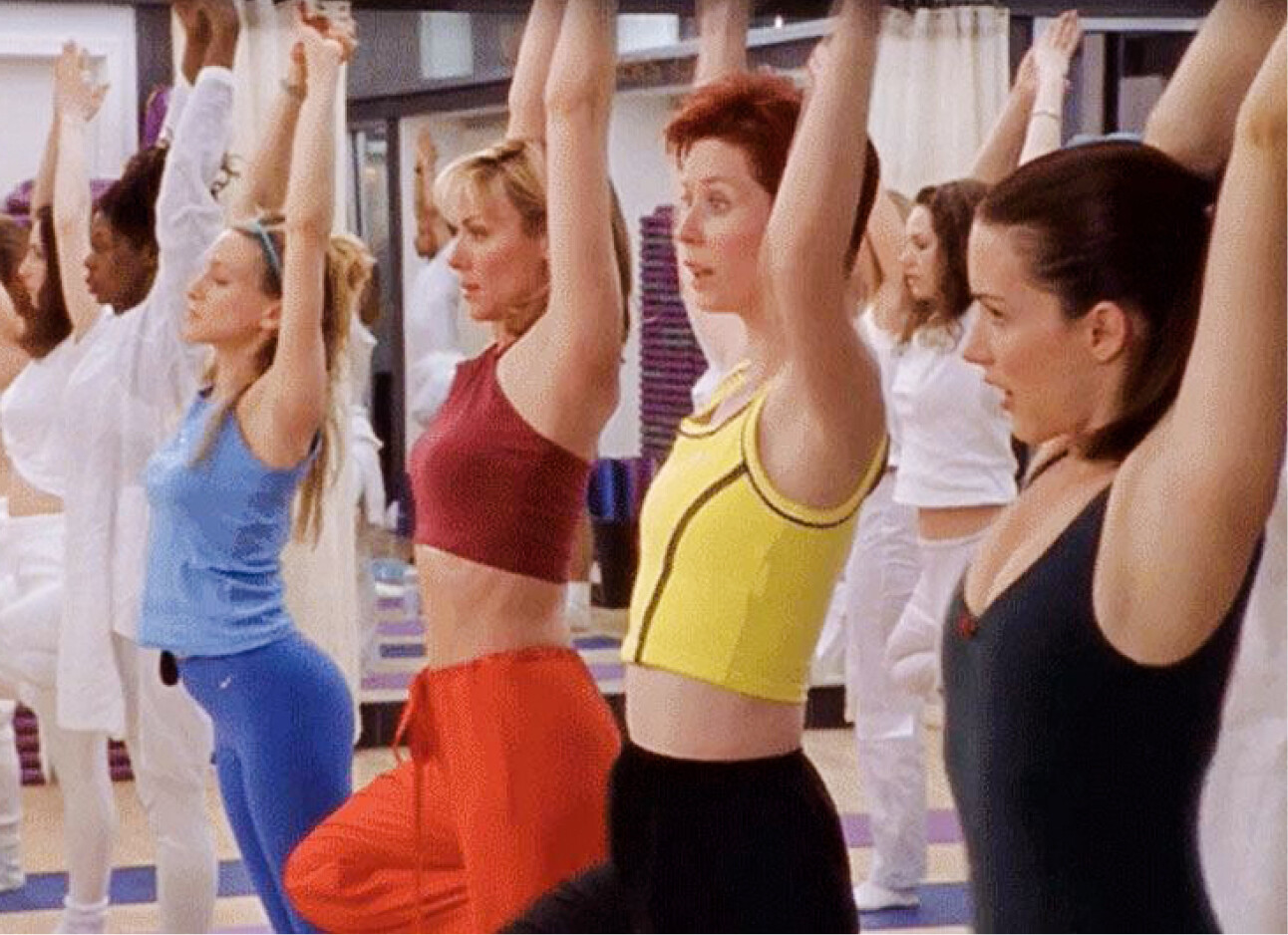
Aah, an examination of my heart. That could make me happy for a change. According to new research which the NRC published last weekend falters the age-old knowledge about losing weight: that you only lose fat when you combine sport with eating less. ‘Abs are made in the kitchen’, slogans like that. But also the view that if you want to lose weight you have to burn as many calories as possible. It is not for nothing that HIIT classes are still wildly popular.
However, according to new research, this is not the ideal way to lose fat; in fact, it would not be through hard training but through ‘light intensive exercise’, or walking and jogging. Just to clarify: this is also without a special diet. The only condition is that this low-intensity exercise must be maintained for a longer period of time. And we are talking about really long periods: three years or more.
That sounds bizarrely long, but it does have serious results: people who maintained this consistently are still ten kilos lighter after those three years than before. And that's quite a difference from the results of people who followed diets or other sports methods; they had those kilos right back on after three years.
What's the science behind this? It actually sounds pretty logical: because your body digests fat in a constant, light way for a longer period of time (by walking, for example), your cravings also decrease over time. This is not the case when you are on a temporary diet or intensive exercise classes that you do not maintain for years.
But what about burning calories? Because that's how weight loss works: you have to make sure you get a calorie deficit, and that's how you lose fat. You lose the most calories by exercising intensively, but what is not taken into account is that such an intense class also causes you to become more hungry and therefore overeating lurks anyway.
Finally, the NRC reports that people who are (mildly) overweight suffer from the fact that their metabolism is disturbed. That is, fat digestion is not maximised and the body mainly breaks down the carbohydrate supply. When that runs out, you get hungry when you don't need to. Good news: this metabolism can be restored to a way in which fat digestion is maximal again, and that is when a person does light-intensity or moderate-intensity exercise.
The reason behind this is that fat consumption is erratic when body effort fluctuates wildly. When you are exercising intensely you get your energy from carbohydrates, and as I wrote above: that is not necessarily good news.
Because when your fat burning is at its maximum, i.e. when exercising lightly, you are less likely to binge; that's because your body is not craving those carbs alone. Therefore, you are more likely to consistently make healthier choices if you maintain a lifestyle where you don't have those irregularities as described above.
Long story short: we need to keep walking en masse. This March marks three years since the ‘start’ of Covid - will we start to notice the difference by then? For me at least, that was the start of my walking phase, but after reading this, I will keep at it for a while.
Source: NRC.co.uk
Image: Sex and the City


