


everything you want to know about laser treatment for your skin
Our beauty editorial team is a fan of this treatment
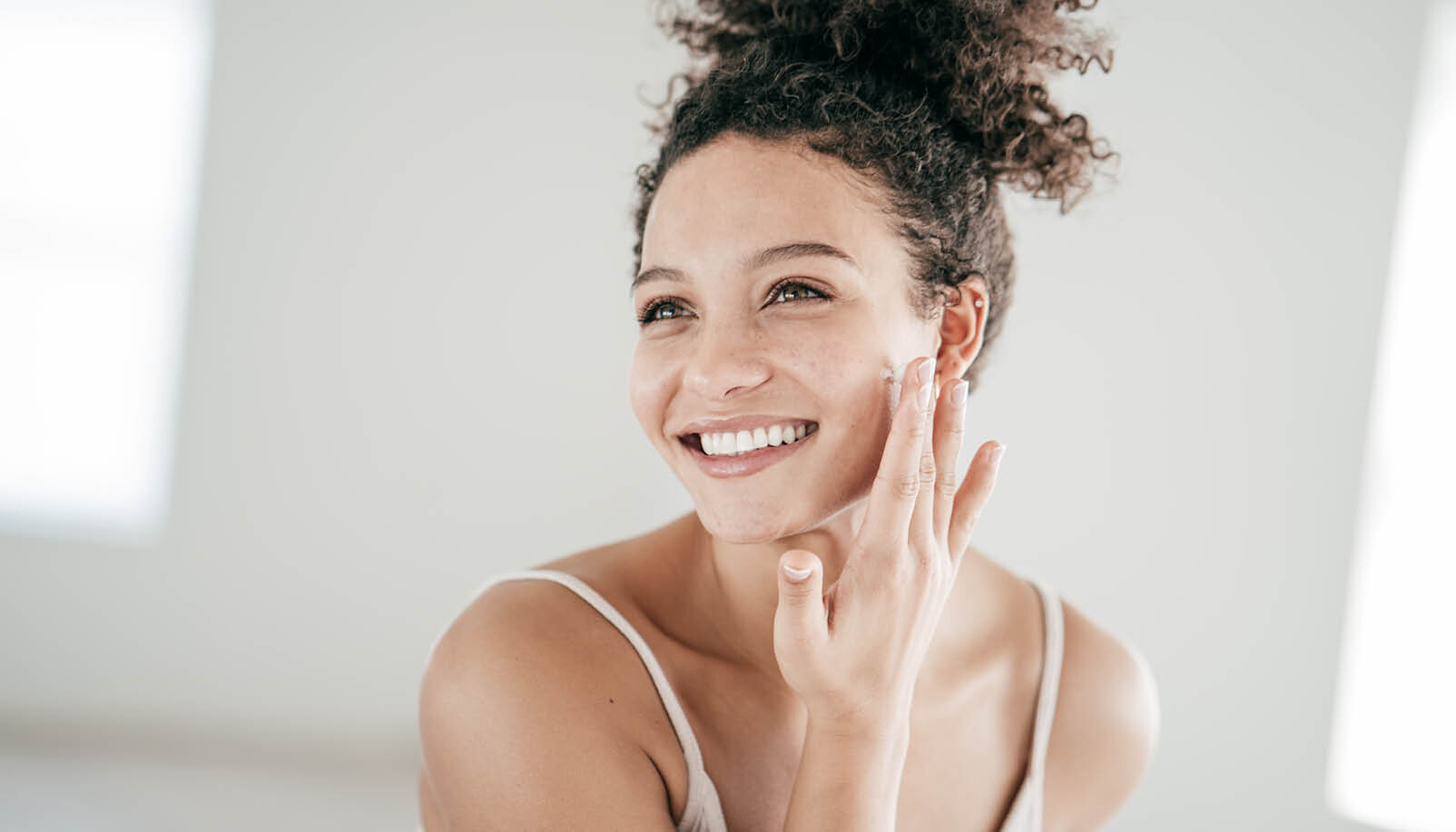
Of all the things I do with and to my skin, I find laser treatments the most effective. At least three times a year, I book a ‘return trip to Annelijn’ and drive to Utrecht (it's really right next to the highway so you can get there quickly and park easily) to give my skin a good wash. I get a lot of questions about what laser treatment actually entails, so that's why I asked Annelijn from Ierland, the laser expert of the Netherlands, to tell us everything about it. Here we go.
Tell me, what is it exactly?
‘A laser treatment is an effective way to combat skin aging and improve and optimize the condition of your skin. I always say: maintaining your skin is just like exercising. If you want to get fit and stay fit, you need to train regularly. If you want to get your skin in top condition and keep it that way, you also need to treat it and maintain it regularly. The result: your skin looks naturally younger, firmer, more even, and healthier.’
What happens during the laser process?
‘Lasers work according to the principle of selective photothermolysis. This means they can heat and damage specific target structures in the skin without affecting the surrounding tissues. Lasers can, for example, specifically target melanin (pigment) in skin cells so that pigment spots fade.
Some lasers work by creating microscopic holes in the skin. These controlled damages stimulate the skin's natural healing process and promote the production of new collagen, a protein that gives the skin firmness and elasticity. By stimulating collagen production, lasers can help reduce wrinkles, scars, and skin laxity.’
Controlled damages stimulate the natural healing process
For which skin problems can you use a laser treatment?
- skin aging
- fine lines and wrinkles
- sun damage/pigment spots
- couperose vessels
- acne and acne scars
- rosacea
Skin rejuvenation is one of the most delightful words I know. How does skin rejuvenation occur after a laser treatment?
‘Preventively: by starting laser treatments at a younger age, you work on maintaining the structure of your skin and keeping the basic condition of your skin in check.
For fine lines and wrinkles: laser treatment addresses both the epidermis and the connective tissue layer. The specific wavelengths used stimulate collagen production, resulting in a fuller, firmer skin.
Complexion and structure: an older skin is not just about having or not having wrinkles. Laser treatment stimulates the skin to heal from within, making it fresher and more even.
Long-lasting: shortly after a treatment, you can already see effects. The advantage of laser treatment is that it works on the connective tissue layer where collagen is stimulated, but collagen fibers do need some time to build up. Even long (even months) after the treatment, you can still see results and enjoy the skin-rejuvenating qualities of laser treatment.’
How do I know which laser treatment is right for me?
‘No skin is identical. You have thin and thick skins, coarse or fine skin structures, dark or light skin, deep wrinkles or skin laxity. Laser treatment can be safely applied to every skin type, including darker skin.
Laser treatments are truly customized; at Skin clinic, no treatment path is the same. With years of experience with the latest equipment and various skin types, we know exactly how to adjust the lasers effectively and safely. Skin improvement is possible for everyone.’
How often should we go?
‘To improve your skin condition, you need to have treatments more frequently and closer together at the beginning. After that, you maintain it over time, just like you need to keep your fitness level up with exercise. Laser treatments can improve and maintain your skin in various ways.’
Annelijn van Ierland is a skin therapist, scientific researcher (MSc), and founder of Skin clinic. She has nearly twenty years of experience in the field of skin and the cosmetic and medical applications of laser on the skin.


