


Netflix tip of the day: The Lucie Blackman Case
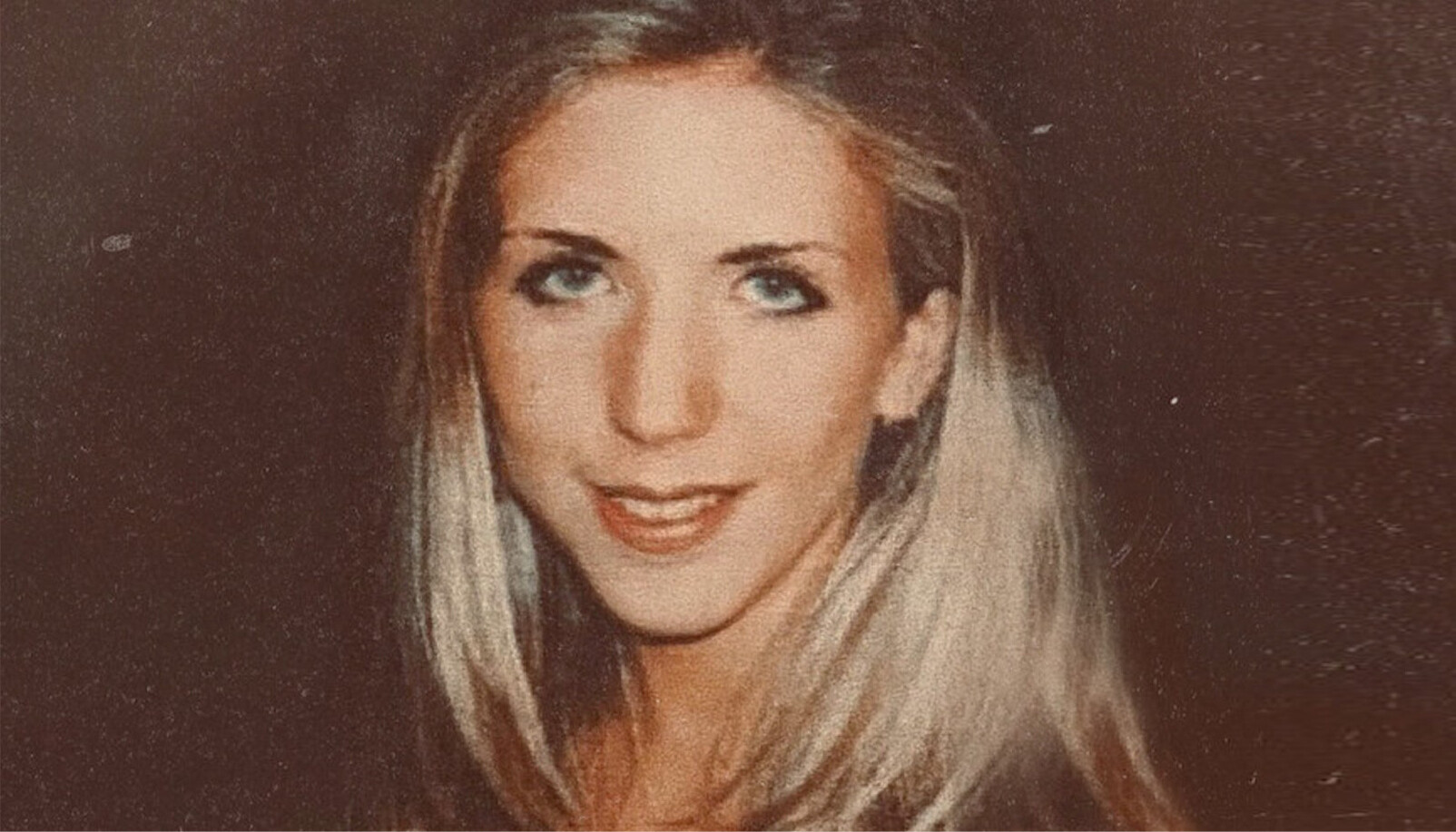
Stop what you are doing and make sure your schedule is clear for July 26. There is a true crime documentary on Netflix that you really want — must — see. It’s a bizarre story and probably every parent's nightmare: your child going missing abroad.
Because that’s what happened to Lucie Blackman, a 21-year-old woman from Kent in England, when she traveled to Japan with a friend. The two young women wanted to take a break from studying and both took a gap year. They entered Japan on a 90-day visa: a visa that technically does not allow you to work in the country. Lucie did it anyway, illegally, in a club called Casablanca.
Part of this work was that Lucie had to go on a dohan a few times a month, a paid date, with clients of the club. Lucie did that too, just like on July 1, 2000. She sent a message to her friend Louise, with whom she had gone to Japan, saying that her date was ‘very nice’ and sent her boyfriend, an American marine stationed in Japan, another message that she would see him the next day. But you guessed it: that was the last time anyone heard from her; Lucie went missing.
Louise immediately raised the alarm and also called Lucie's parents, who flew to Japan right away. The Japanese police were hesitant to take this missing person case seriously, as they claimed it often happened that ‘women suddenly left for Bali with new loves.’ At the urging of Lucie's parents and then British Prime Minister Tony Blair, they did start an investigation.
And that’s where the story gets even darker: in October 2000, a man named Joji Obara was arrested in Japan, who had been accused of sexual abuse for years. Subsequently, Lucie's lifeless body was discovered in February 2001, and Obara was identified as the perpetrator.
You would think that the sock is done, but no: Obara still insists that he is innocent. In the years that followed, Lucie's family never gave up trying to prove that he is indeed the one who took their daughter away from them, but that all turns out to be not so easy.
Believe me: you do not want to miss this true crime documentary.
PS. In an earlier version, it was stated that the documentary was already online; this is not correct.


