


Wow: the pine nut syndrome exists and you don't want to suffer from it
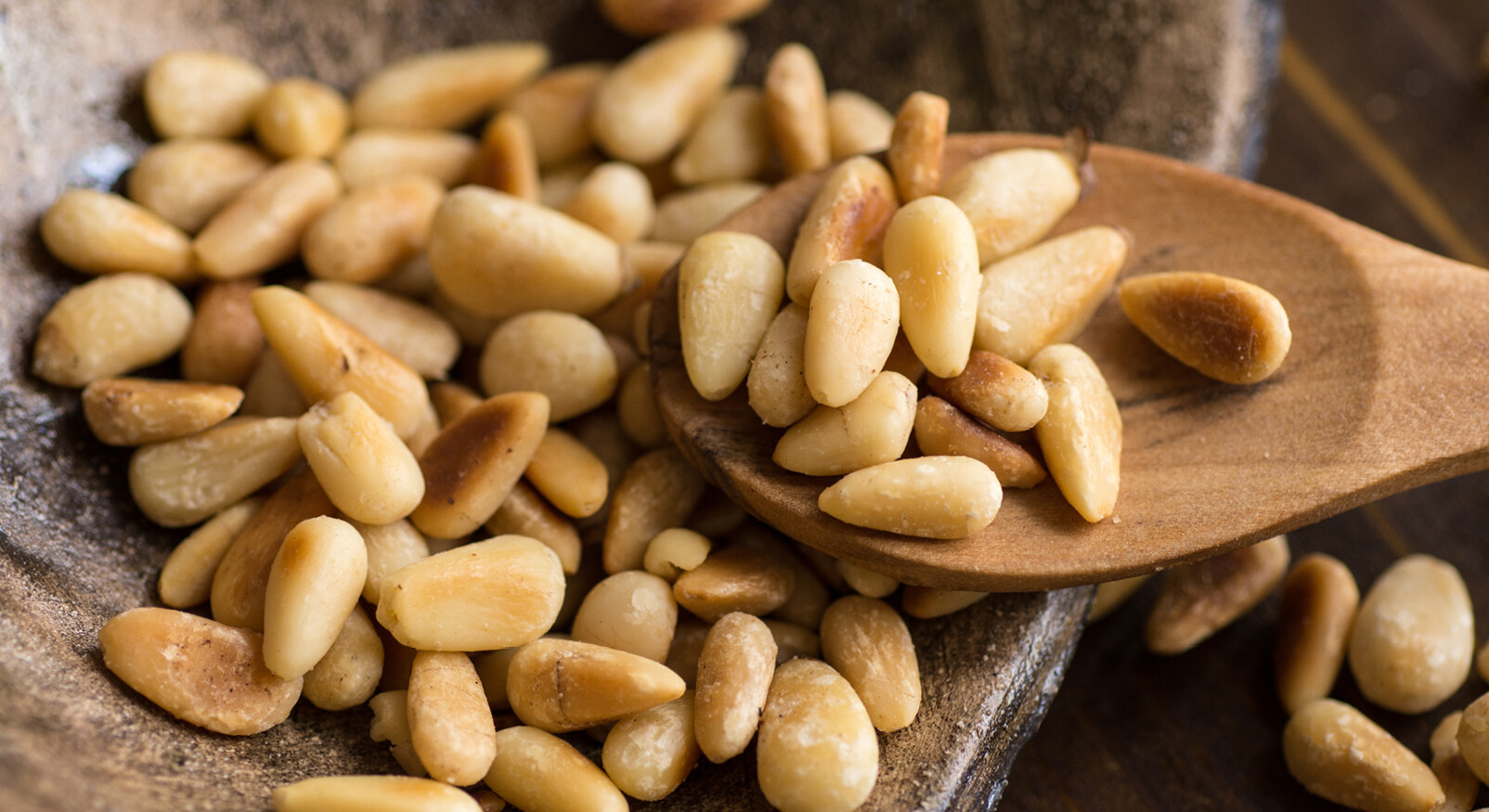
Say wine, snacks or haute cuisine and the gourmands at online food magazine FavorFlav know where to drink, how to eat it and what to cook. This time our cheffies serve you: the pine nut syndrome exists and you don't want to suffer from it.
Ever had a bitter, metallic taste in your mouth after eating pine nuts? Then you're not alone. Although it doesn't happen very often, it's a troublesome ailment that people can suffer from for weeks (!). How does that happen?
The problem often doesn't even arise during the eating of the pine nuts, but can occur days after consumption and persist for a long time. It is also known as PNS (Pine Nut Syndrome), but because it doesn't occur very often, little research is done on it. The most recent results seem to be from Leiden University geneticist Ben Zonneveld. He specializes in determining the amount of DNA per nucleus (the genome size) of plants and can thus distinguish well between different plant species, including different types of pine nuts.
Whether you're nibbling on a dime
It seems that nothing can drive away the taste and it is super annoying for the people who suffer from it. However, the complaints do go away on their own, but they can last up to two weeks and be so overwhelming that everything people eat or drink during those days tastes bitter, metallic, and disgusting.
Cat in the bag
According to the Food and Agriculture Organization (FAO) of the United Nations, there are 29 pine trees whose seeds are edible. Zonneveld studied the genome size of the most common pine nuts sold in Dutch supermarkets, and after extensive self-testing (reluctantly, as he and his wife are both sensitive to PNS), he discovered that the likely culprit is the cheap mass-produced Pinus armandii; a small, oval, grayish seed. Scientists are rightly very cautious about drawing conclusions when no further evidence is found by others, but as mentioned, unfortunately, no conclusive evidence has been provided. The unfortunate thing is that, if that P. armandii is indeed the cause, it can also be found in bags containing a mix of different types. So you never know if you're unlucky with a bag. You seem to be safest with the more expensive seeds, and if you can buy them from the nut seller, be sure to ask about the quality.
This makes eating pesto just a little bit more exciting, doesn't it? It's just a matter of what you living on the edge think, but we can't resist a good homemade pesto... And if not, you can always work with a pesto with other nuts.
Sources: Leiden University Weekly, Health Net, Kassa


