


Light or dark: this is how the night light affects your life
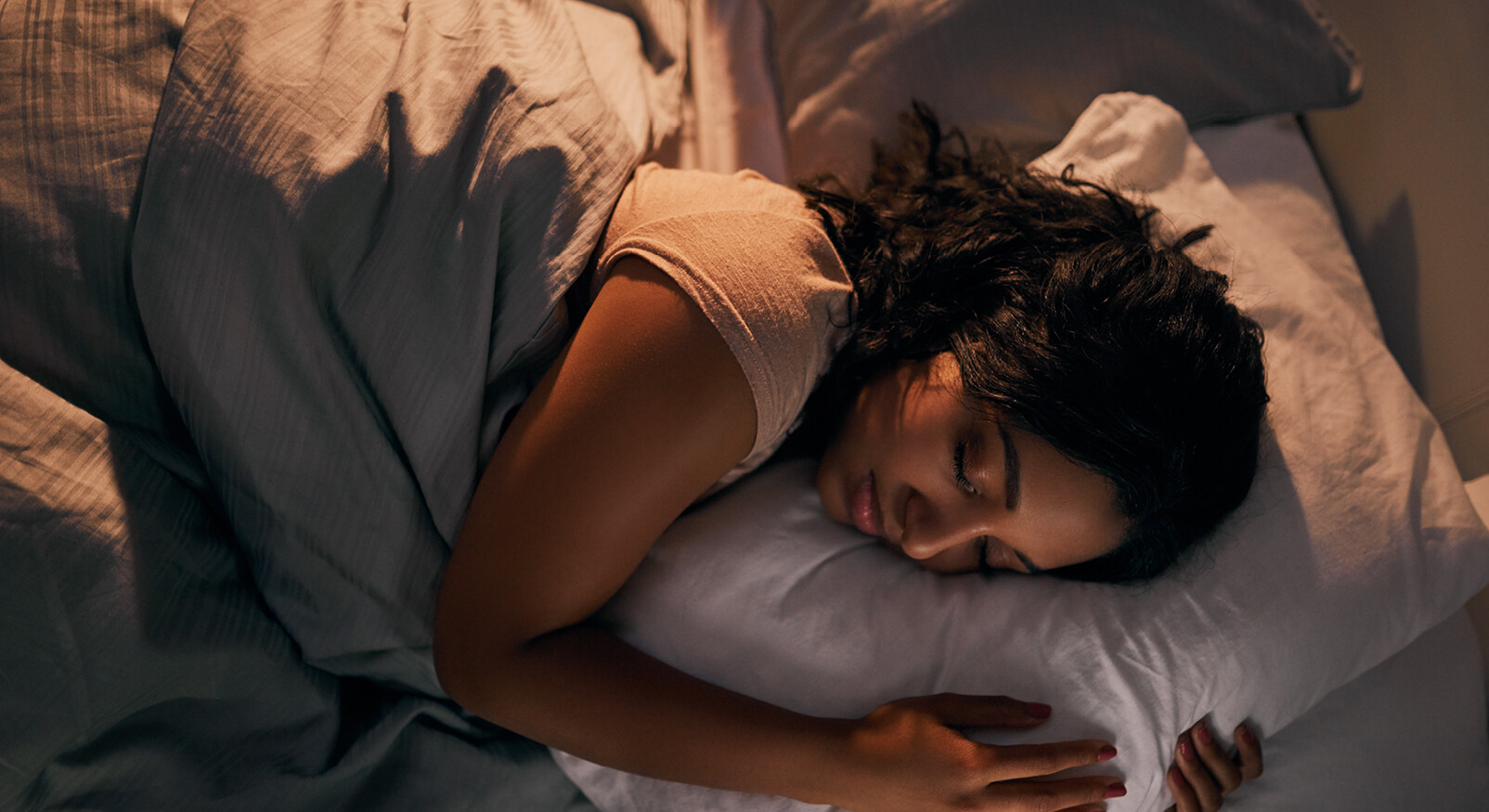
If there is one thing I missed in the area of ‘growing up’, it is that everyone at some point started sleeping without a nightlight. For a long time, I thought it was perfectly normal to sleep with a light on. In a completely darkened room, I can't sleep at all; it's too dark, it makes me restless. It's strange that there is a large group of people who would prefer to hang garbage bags over the windows to make it even darker in the bedroom. What is that good for?
In the dark, you probably live longer
While most people who sleep with a light on probably do so because they feel safer, it is actually detrimental to your health to sleep in the light. Of course, this doesn't apply to an occasional nap during the day, but consistently preventing darkness in your bedroom can significantly disrupt your biological clock. Without light and dark, the production of melatonin (you know, that substance that makes you sleepy) stagnates. As a result, your body doesn't register well that it's time to sleep. This also leads to poorer sleep, as you will only notice that you are tired when your body is already ‘out’ and has used up all its energy. Over time, more processes in your body become disrupted.
Good sleep is not only important for your energy, but also for your brain
An increased heart rate and a higher chance of type 2 diabetes (because you become less sensitive to insulin) are also common side effects of using nightlights. You may have also noticed that after a night of poor sleep, you feel anxious more quickly than usual. For people with an anxiety disorder, this will sound very familiar. Other mental issues, such as depression, are also exacerbated by sleep deprivation. Good sleep is therefore not only important for your energy but also crucial for your brain. It turns out that poor sleepers even have a higher chance of developing Alzheimer's.
Just a few things you already knew, but you still haven't given up these bad habits
The most important standard advice that we all still don't follow: stop using your phone before going to sleep. Put it away. Pick up a book. Give your eyes a rest and de-stimulate your brain, so they have the chance to really relax instead of having to forget those social media posts during sleep. If you really can't do without screen time before bed, it's better to watch TV. It also provides relaxation, but it's still better to completely avoid screens. The best thing is to turn off all those screens at least an hour before you go to bed. And then you can turn on a nightlight instead, okay? Because for those who are really afraid of the dark, it's better to have a light on than to lie awake all night because of sounds in that dark bedroom.


