


This bizarre travel trend is quite creepy
When I think of a vacation, I think of my feet in the sand and an Aperol Spritz in my hand. Completely relaxed modes, but there are plenty of people who seek a bit more excitement during their travels. This can of course take the form of a challenging hike, but for those who really crave a bit more adrenaline, there is the phenomenon of ‘dark tourism’.
Special destinations
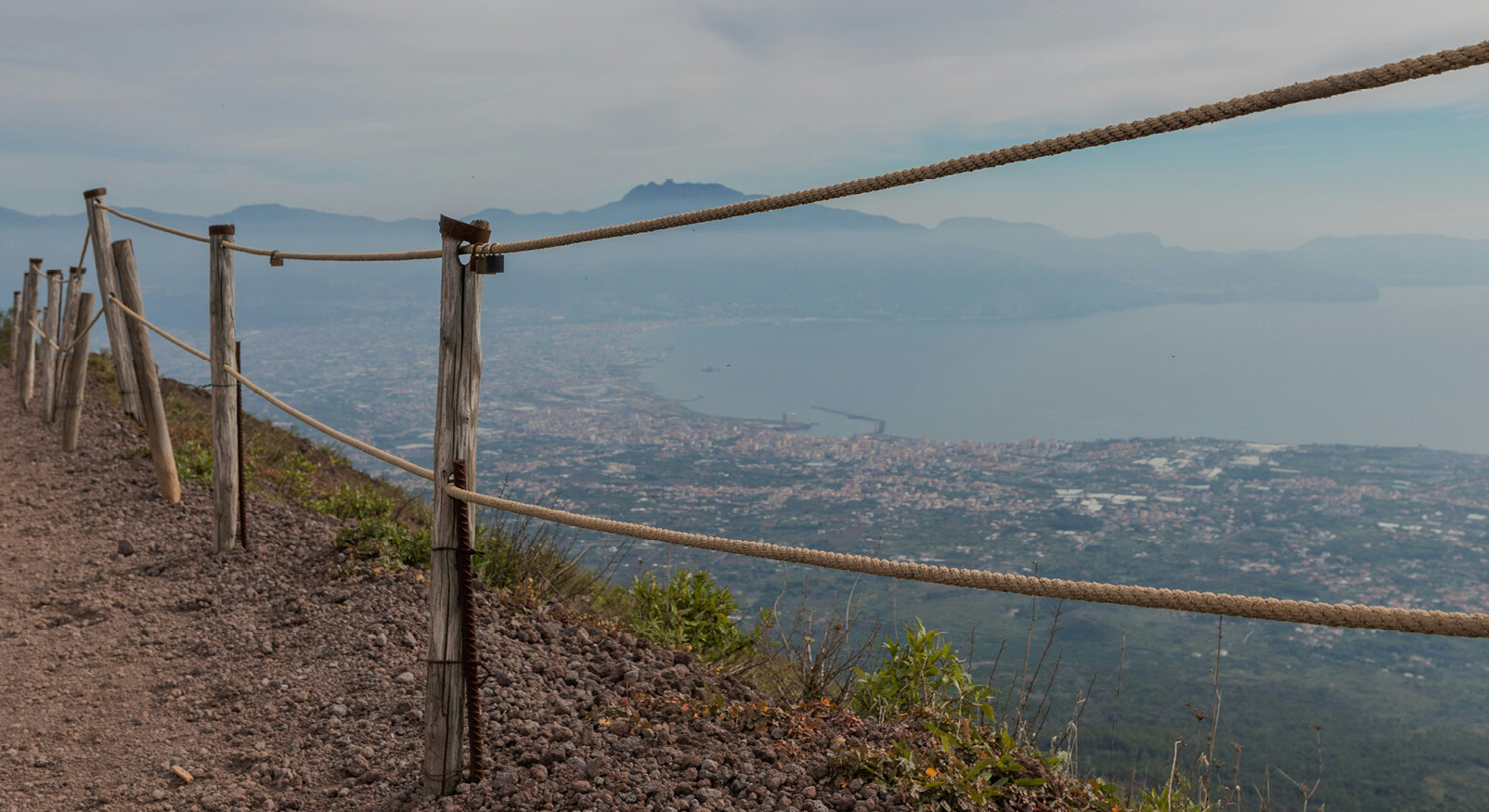
This travel trend is not new, but it is becoming more common due to the growing interest in true crime. Especially during the dark autumn and winter months. Destinations with the ‘dark tourism’ label do not have a cheerful reputation. Former war zones and disaster sites are particularly popular. Think of Omaha Beach, where fighting took place on D-Day, or Pompeii, where Vesuvius erupted. Places where famous people have died are also often visited. Some people even go so far as to stay in the same hotel room where the artist died; they believe that the spirit still wanders there. Now that we are all massively watching ‘The Menendez Brothers’, crime locations are also on the travel bucket list. Especially if a case has never been solved, because imagine if you discover something during your visit. Haunted hotels and other ‘haunted’ places should also not be missing within ‘dark tourism’; there are even special travel organizations for these ‘ghost trips’.
But, why then?
Netflix is full of documentaries about serial killers and horror films; death and the unknown apparently create a certain curiosity. This way of traveling also gives you the chance to learn more about history in an exciting way. You can read about a murder in a certain city, but walking around there with the idea that the spirit is still somewhere gives a completely different feeling. It's a bit like stepping into that horror movie yourself. When it comes to disaster sites and war locations, the trip can also have emotional value for people. Perhaps there were (distant) relatives involved, whom they want to honor with their visit. honor. For some, it's about excitement, for others, it's about respect.
How do you do it right (and neatly)?
‘Dark tourism’ locations often have a significant emotional charge, so you need to handle them with care. Nowadays, we share almost everything on social media, especially our trips, but taking a cheerful Instagram picture in a place where many people have died is not really appropriate. According to Laura Motta, senior director of content at Lonely Planet, you also need to know where you can and cannot go. If a devastating disaster has just occurred and people have lost everything, it is quite confronting if you, as a tourist, are happily taking photos there. If you want to visit a ‘dark tourism’ location, it is important to be aware of what has happened there and to treat it with respect.
Source: Huffpost


