


What I thought of the already much-discussed film Back to Black about Amy Winehouse
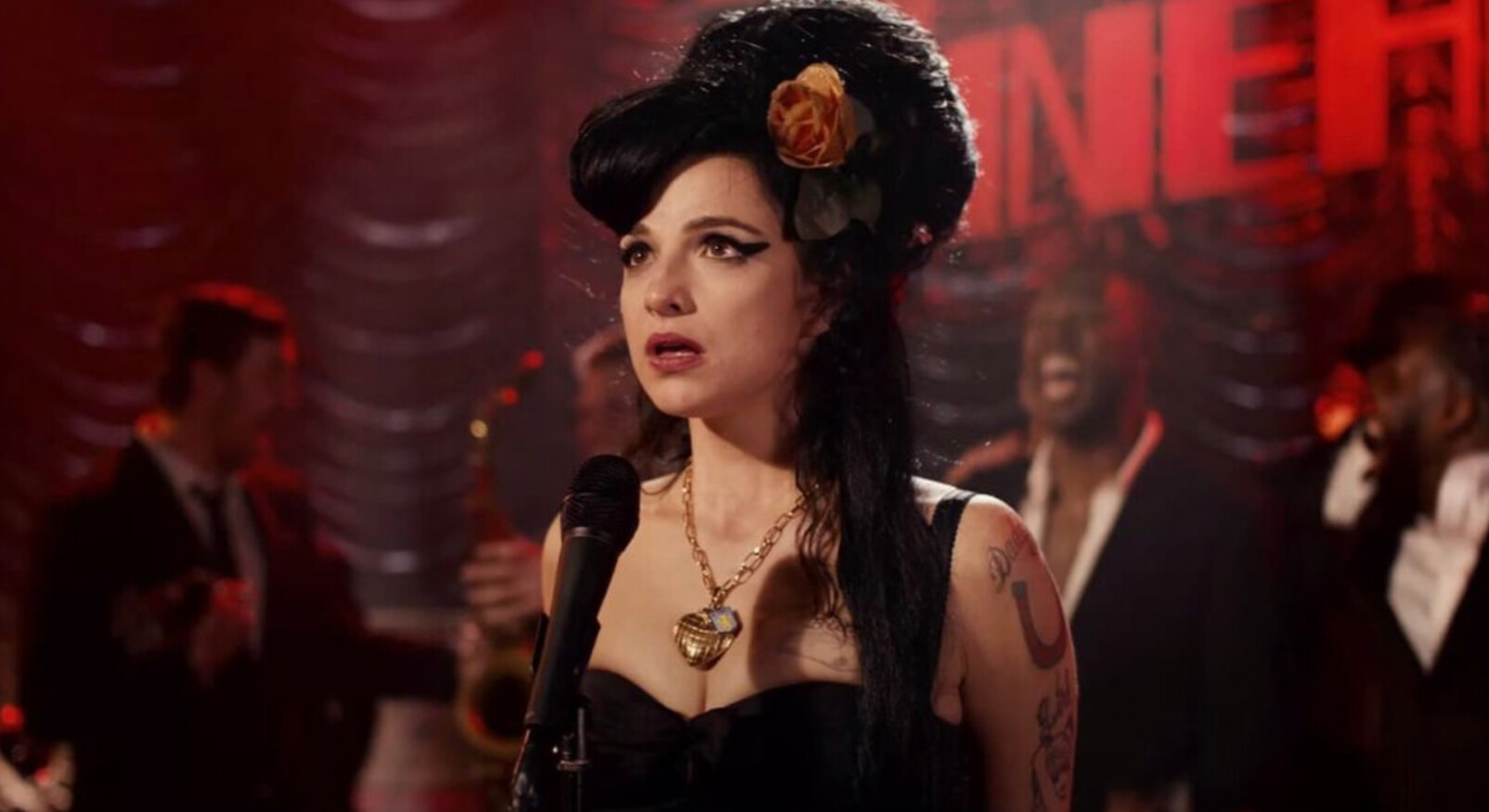
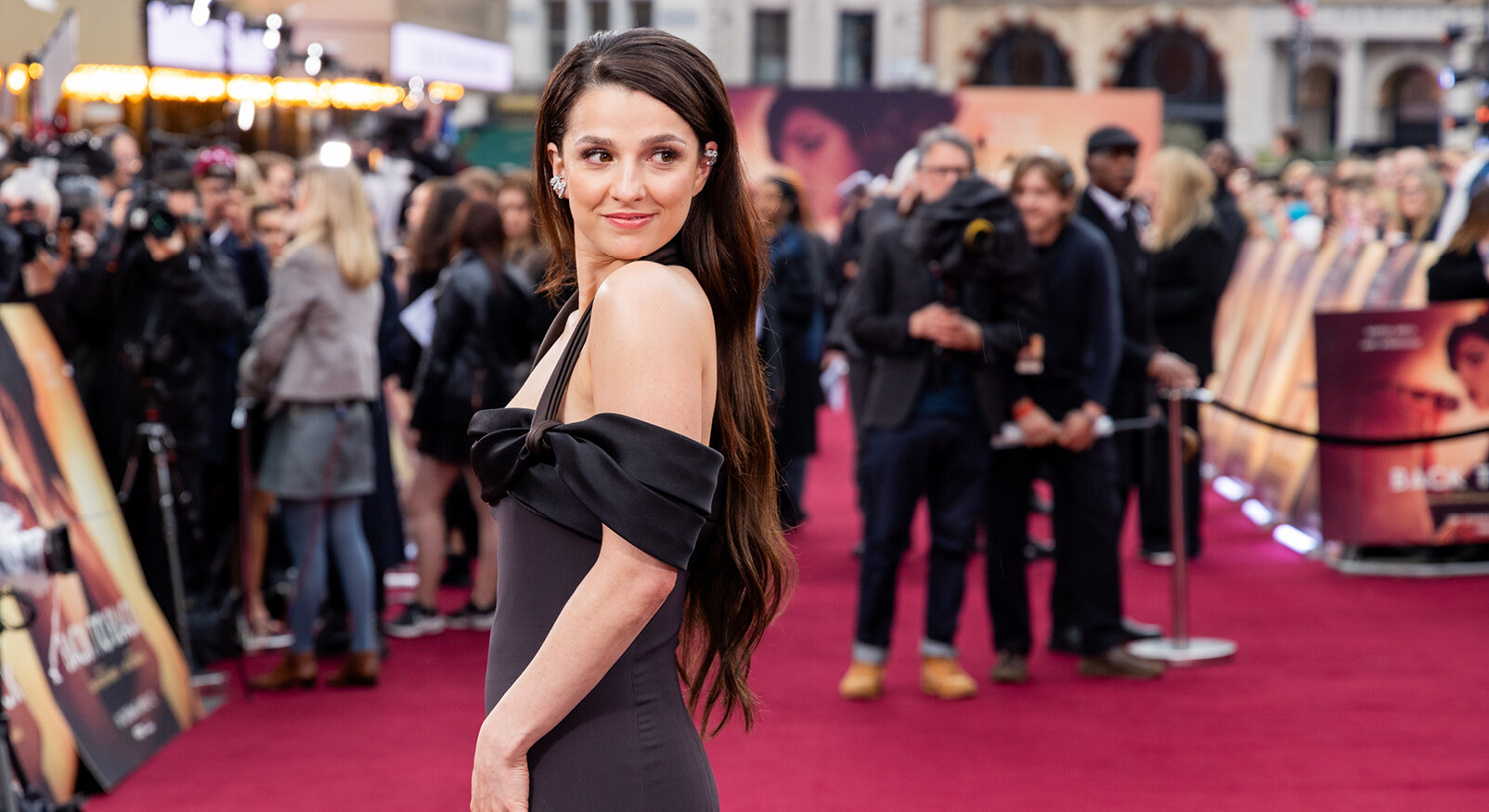
Almost thirteen years ago, the news broke that Amy Winehouse had died from an alcohol overdose. Last week, I stood with a glass of bubbles at the London world premiere of the new biopic about the singer. As press, mind you. That’s about the cruelest part of the whole story, because surprisingly, the film that will be released in Dutch cinemas tomorrow is not one to shed tears over. Back to Black is more of a love story with the tragic ending we all already know, from a perspective that you haven’t seen her story from before.
Back to Black tells the life of Amy Winehouse from the time she is a young girl in a Jewish family, long before she sports her signature beehive, is covered in tattoos, and considers cigarettes her greatest sin. It shows the (fictional) meeting with Blake Fielder-Civil, their rollercoaster relationship, but also the inspiration she draws from it for writing her biggest success album, Back to Black. Her path to success, in which her greatest drug is actually love. This makes it a film that you don’t have to look away from.
There was quite a bit of buzz about the trailer: lead actress Marisa Abela supposedly doesn’t sing well enough and she’s said to be too pretty. We can be brief about the first: if what Amy Winehouse did was easy, she wouldn’t have been such a global star. Hats off to Marisa’s singing skills, who indeed doesn’t sing like Winehouse and sometimes tries too hard, but as far as I’m concerned, she makes a commendable attempt at a considerable level of empathy. In the lead-up to the film, she received two hours of singing lessons every day. I understand the criticism of her pretty face. While Amy transformed from a powerful woman into a fragile bird with a drinking, drug, and eating problem, Marisa remains beautiful until the last scene. With one less tooth, though, that’s true.
With Back to Black, director Sam Taylor-Johnson wanted to give Amy Winehouse’s voice back. She doesn’t try to explain where it went wrong, but wants to show the story of the powerful woman behind all the misery. And that from a new perspective, hers, as far as that can be drawn from song lyrics and interviews. Friend Blake is nothing less than the love of her life, her father her protector, and her grandmother her great style icon, while a large part of the world sees that very differently through the media, and the media in Back to Black are precisely the only real villains.
Controversial, yes. Try making a film so soon after someone’s death, while the main character is still fresh in the memory of fans who, in the meantime, have hardly aged. Putting a big-budget film in the spotlight about someone for whom the spotlight meant her end. A bold move that you can expect criticism for, but which is beautifully executed and certainly a cinema tip for the unbiased viewer. There are already plenty of rave reviews. So take off the critical glasses, sink back, and then go home with Amy Winehouse on repeat. Because let that insane voice speak for itself.


