


Why Memphis' sweatband is right on target
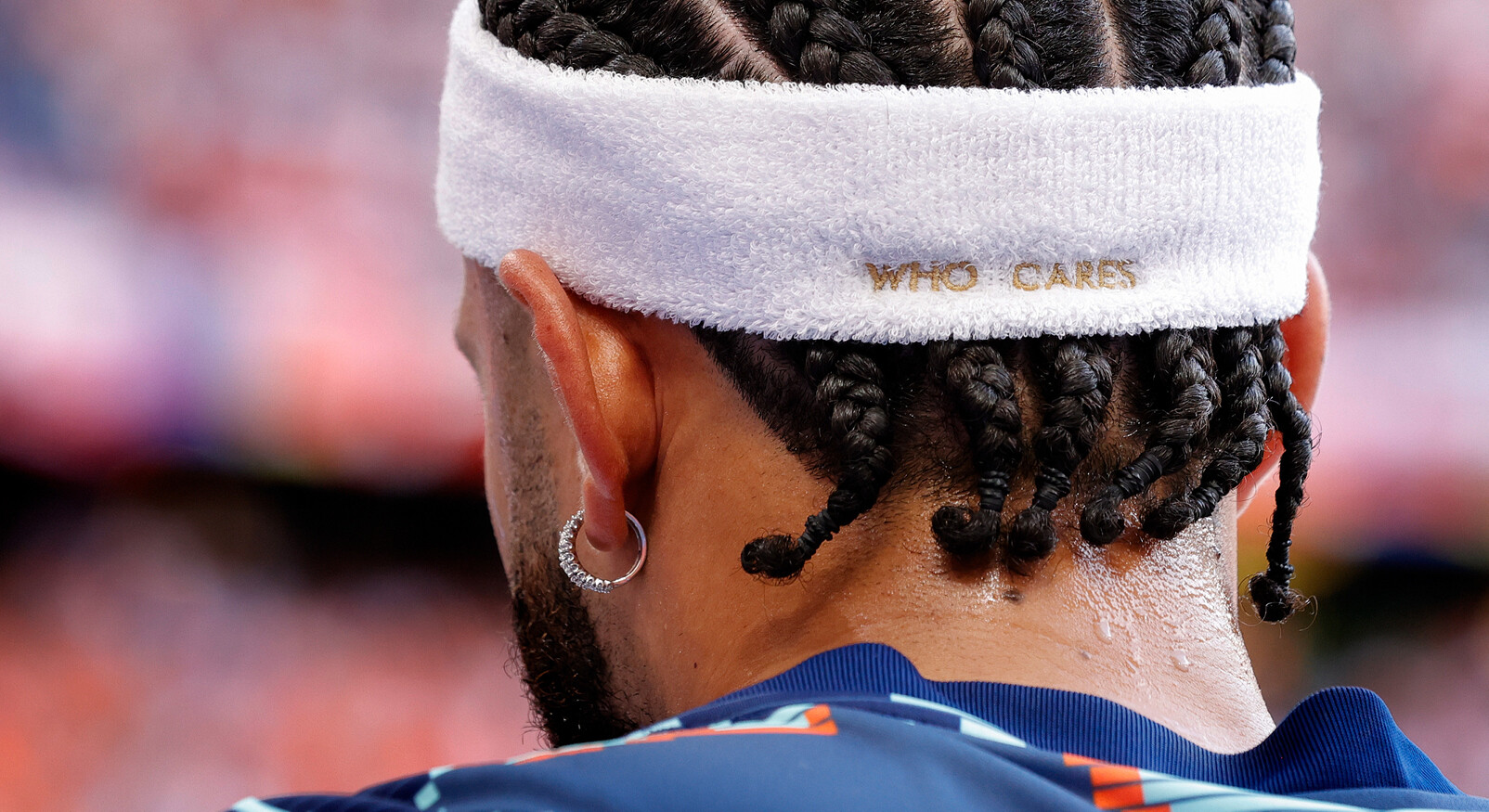
Football analyst Rafael van der Vaart suggested last night after seeing Memphis’ sweatband: “Maybe he’s going to play tennis.” That was meant to be witty, but it also had a kernel of truth.
The first sweatband in sports dates back to 1914. In that year, French tennis player Suzanne Lenglen became the youngest winner ever of a Grand Slam tournament. She won Roland Garros at the age of fifteen. She did so with flair, and with a large headband; a long strip of fabric that she had wrapped around her head, almost like a turban.
Lenglen made history as a young winner, but she also planted a seed: the headband would become synonymous with the sport of tennis. But it was English tennis player Fred Perry who invented the sweatband as we know it today.
Perry initially wrapped medical gauze around his wrist. This prevented sweat from reaching his hands, making the racket too slippery. A few years later, Perry came up with the sweatband, both for the wrist and the head. The 1970s were the heyday for the headband in tennis: Björn Borg, John McEnroe, Ilie Nastase. Men's hair got longer in the 1970s, and it needed to be kept together.
In the United States, it was the recently deceased Bill Walton, a self-proclaimed hippie with a flaxen beard, who introduced the headband in professional basketball. Star player LeBron James made a comeback for the sweatband in the National Basketball Association a few seasons ago. In 2019, the American NBA banned the so-called Ninja headband that had suddenly become very popular the previous season.
Football history also has its headbands. They all served the function of taming flowing hair; from Brazilian Sócrates to Argentine Cannigia, and from Ronaldinho to Batistuta (it’s often South Americans who use the headband).
The headband is functional for two reasons: it prevents sweat from dripping into your eyes and it keeps the hair together. However, both reasons are unnecessary for Memphis Depay. His hair is tightly styled and no visible sweat drips over his forehead.
No, Depay wears his headband for aesthetic reasons. It is a true fashion statement. For that reason, his headband is also white, not black. White stands out, black fades away. Is there anything wrong with that? On the contrary. Sport is competition, but sport is also entertainment, it’s a show. And Memphis is the artist who entertains the audience.
Appearance plays a role. The Dutch national team from 1974 has almost mythical proportions. This is not because they became world champions (they did not), but because they played fantastic football and looked like rock stars. Players like Johan Neeskens, Johnny Rep, Ruud Krol, and Rob Rensenbrink wore their shirts over their pants for a Jim Morrison-like silhouette, with long hair in the neck. Mick Jagger on kicks!
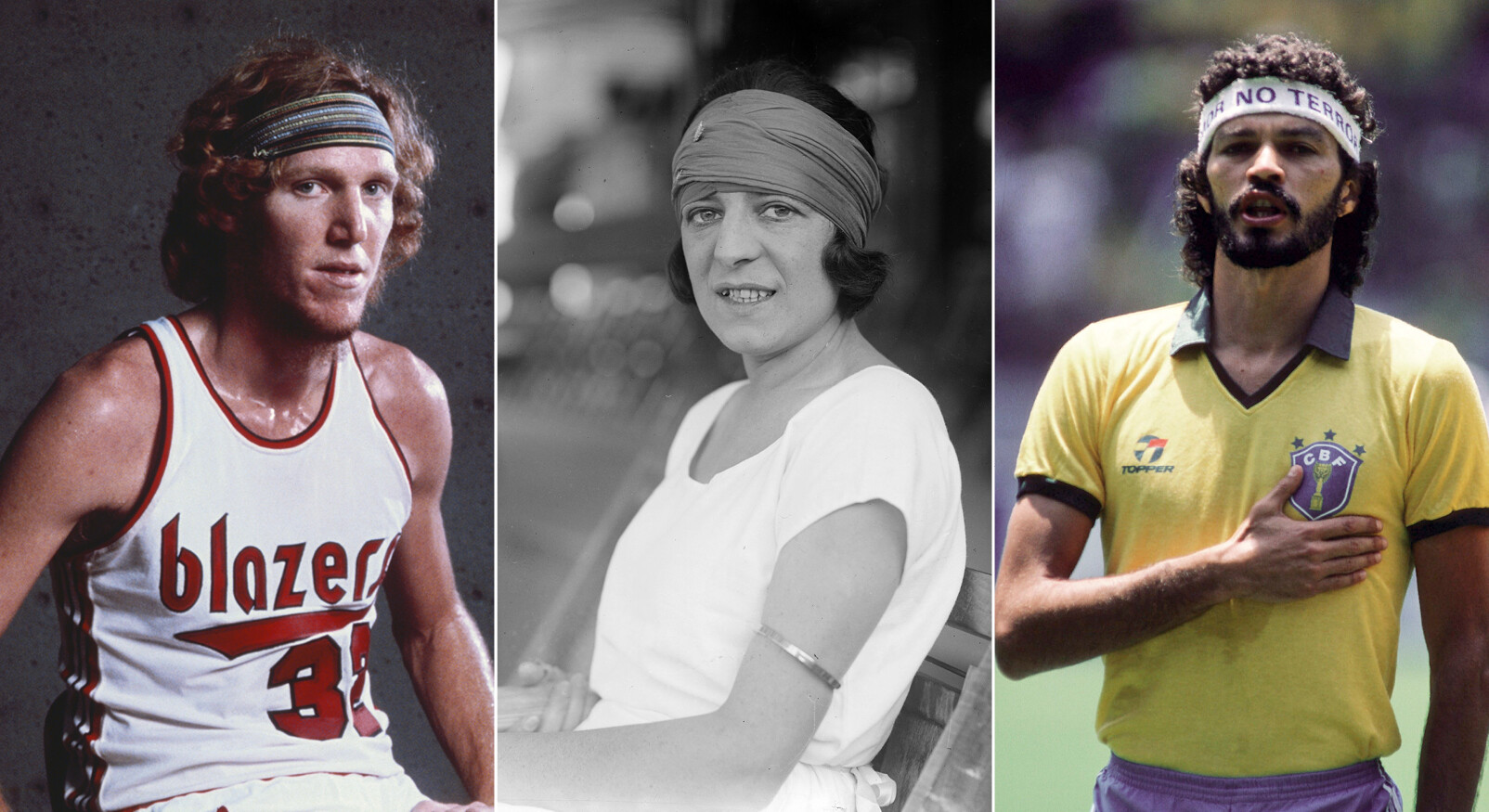
Bill Walton, Suzanne Lenglen, Sócrates
Is the headband practical? Yes! Research among footballers shows that heading the ball can lead to brain damage. A small bump between the forehead and a five is just the cushion your brain cells need. Memphis' fashion statement is therefore actually a small health injection.
P.S.: Clarence Seedorf wore a white headband during the European Championship in England in 1996 in the match against the Scots (to keep his dreads somewhat in check). Always a forerunner, Seedorf.
P.P.S: There is always a boss above the boss. At the World Cup in Mexico, Sócrates, the captain of the Brazilian team, wore a headband with the text México sigue en pie (Mexico is still standing). Mexico City was hit by an earthquake in 1985, and Sócrates wanted to express his support in this way. The charismatic captain actually used a sock as a headband – a funny detail.


