


Are dating apps on the decline?
We understand why
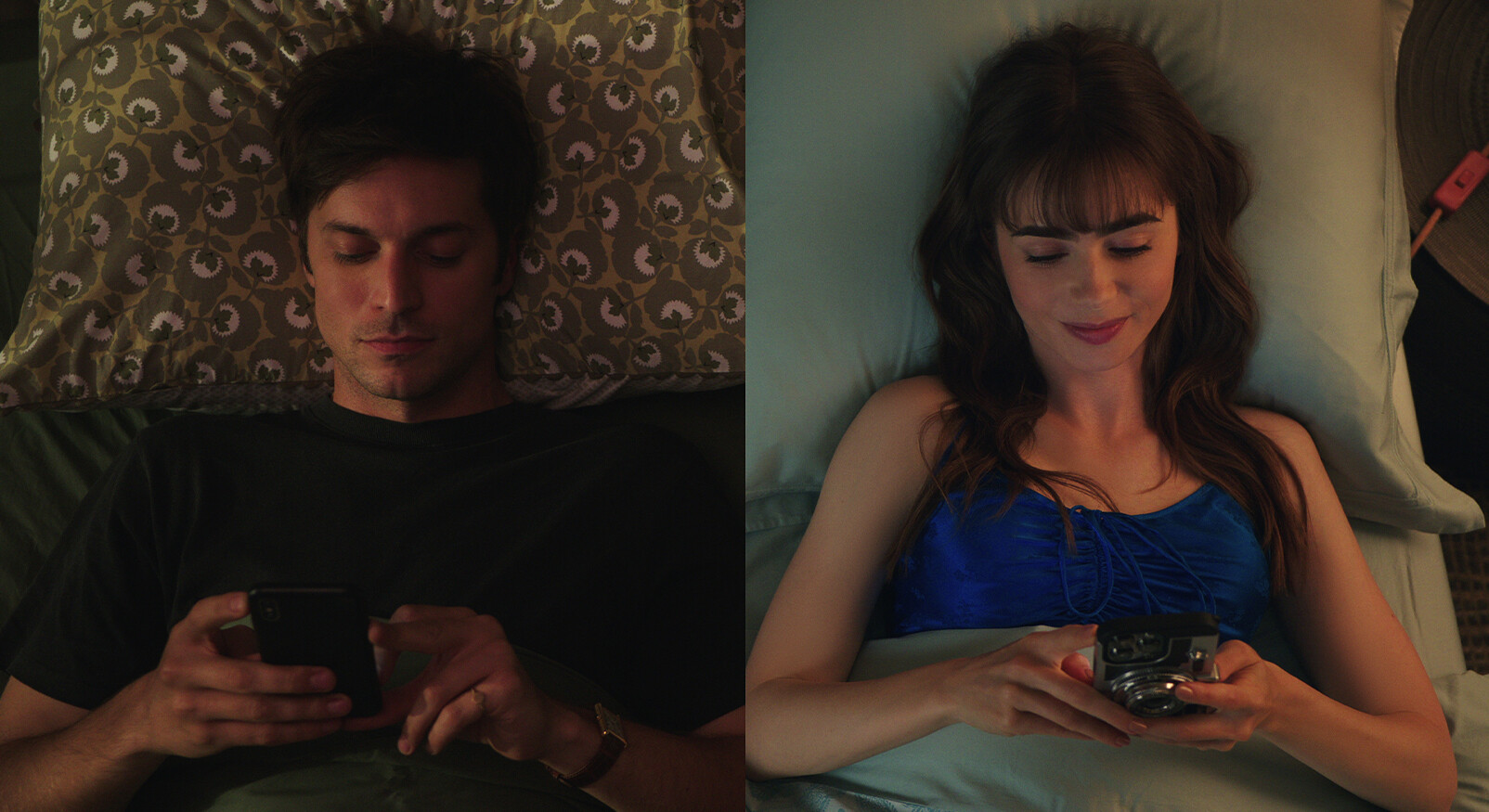
There was a time when we just couldn't stop swiping. Left for a no and right for a yes. And then just waiting for that ‘it's a match’ to appear, and the most exciting part: actually going on a date. But it seems something is changing in the world of dating. The major dating apps are massively laying off their staff, which is never a good sign. Is this the end of the online dating era?
Tinder and Bumble are struggling
When you think of dating apps, you probably quickly think of Tinder, and maybe Bumble as well. Both were for a long time among the big dating apps, but their connection goes deeper. Tinder was founded in 2012 by a group of American entrepreneurs, including Whitney Wolfe and Justin Mateen. They soon entered into a romantic relationship, but that ended after a few months; and it also had business consequences. Mateen reportedly called Wolfe a whore multiple times in front of colleagues and sent her sexual and inappropriate messages. CEO Sean Rad allegedly did nothing about it, and she went to court. The case ended in a settlement, and the creation of Wolfe's new dating app: Bumble.
For years, the number of users of both apps only increased, but nowadays that is not very noticeable. A month ago, Bumble laid off nearly a third of its staff, with 240 employees suddenly out of work. According to CEO Wolfe, this is a result of the turning point the online dating industry is currently facing. Tinder is also experiencing problems. The company Match Group, which includes Tinder, Hinge, and OKCupid, had to let go of thirteen percent of its employees. People seem to be looking for romance in other ways.
Not all dating apps feel the crisis
While Tinder and Bumble are struggling, there are also dating apps where the situation is not so dramatic. These are mainly the apps that focus more on the LGBTQIA+ community. Grindr and Squirt have only seen a minimal decline in their users, and Scruff is actually seeing an increase in numbers. According to Sophie Goddard, a lecturer in applied ethics at the University of Leeds, this is because these apps provide a safe space for those who are not yet fully out. It allows for experimentation with sexuality without the judgment of one's surroundings.
Dating feels too much like a game
In fact, you download a dating app with the hope of finding a new partner. But for many users, swiping after a while feels more like a game, and the apps themselves contribute to this, according to sexual wellness expert Natasha Marie Narkiewicz. “The design of the dating app is aimed at bringing users back, as every time you have a match, swipe, or give a like, a quick dose of dopamine is released. Thus, dating is essentially ‘gamified’.” In some cases, matches also disappear if no conversation is started for too long; another way to get users swiping again. With just a few photos and short descriptions to judge, it also resembles a webshop. But instead of looking for a new pair of pants, you're looking for a lover. It all remains somewhat superficial, and that oh-so-important depth is missing. And thanks to AI, you don't even know if you've matched with a real person.
Love has an increasingly expensive price tag
Creating an account and starting to swipe is usually free. But still, dating apps give you the idea that you aren't giving love a full chance without paying. Extra features like more photos or information are hidden behind a paywall. Sometimes entire accounts are even hidden from you. ‘There are no potential matches in your area’ is the message; and that while you live in a big city. Do you believe it yourself? We're willing to spend a bit for love; a good date costs something. But those misleading tricks are getting tiresome for many online daters.
New apps are taking over the love baton
The decline in popularity of dating apps doesn't mean that finding love online is completely over. And the competition is coming from unexpected places. People are increasingly finding each other in places that aren't actually meant for dating; think of games, Strava, or Letterboxd. On these apps, people gather with a shared interest in, for example, a game, running, or movies. With the chat functions, they can get in touch, which then grows into real-life dates. At least you know you already have one hobby in common, and that's a good start.
Speed dating is making a comeback
As a sort of protest against swiping, speed dating seems to be making a comeback. No misleading photos or vague descriptions anymore, but real-life meetings. The atmosphere remains accessible; you can meet multiple singles without immediately experiencing various obligations. Maybe it stays at a ten-minute conversation, but there could also be an immediate good vibe; something that is harder to assess over the phone. And it is precisely that sincere and especially real interaction that people are increasingly longing for. So we are certainly not out of the dating game yet, but perhaps through the well-known apps.
Image: © 2022 Netflix, Inc. Source: CBC News, PureWow, Inside Hook, The Guardian, BBC


