


Tanned by the sun? That's not a good sign
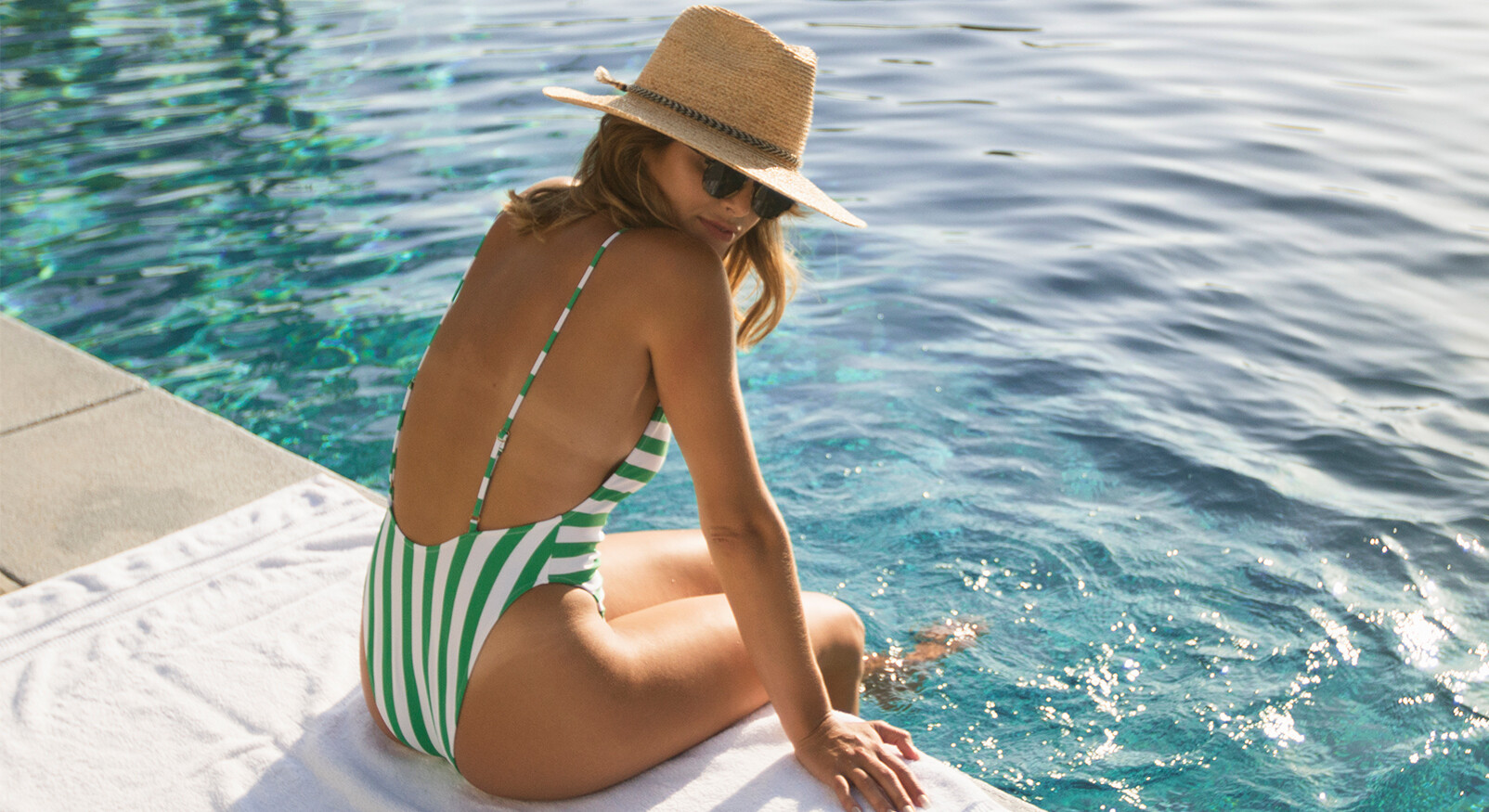
Okay, here we go: we all feel happy with a sun-kissed color, right? But during a masterclass by Paula Begoun (the woman behind the brand Paula's Choice), she mentioned that as soon as your skin changes color due to the sun, damage has already occurred (!). And we think it only gets really bad when you burn. Unfortunately. It's a bit different than that. That brown color? It's actually an SOS signal from your skin. How does that work exactly? Check out these points.
Getting tanned is actually a defense mechanism
As soon as your skin produces pigment (melanin), it's a sign that it's trying to protect itself against UV radiation. So yes, that summery sun-kissed tint? That's your skin working hard to limit DNA damage. Unfortunately, but true: not to make you look prettier. Too bad, right?
No burning, so no skin damage?
We often think: if I don't burn, then I'm safe. But even without burning, UV rays damage your skin cells and collagen structure. Invisibly, slowly, and the damage accumulates. And let that be exactly the type of damage that causes skin aging and an increased risk of skin cancer.
UV radiation accelerates skin aging
Fine lines, pigmentation spots, loss of elasticity? Did you know that about 90% of that is caused by the sun? Not by aging itself. So you can apply a beautiful anti-wrinkle cream, but if you don't wear SPF, it's like combining a Chanel jacket with socks in Velcro sandals. Not really the fashion combo, right?
“But I get so beautifully tanned!”
Sorry not sorry: that color is literally damaged skin. Whether you're a tanning bed fan or you get your tan naturally, the effect on your skin cells is virtually the same. And we haven't even talked about the increased risk of melanoma, the most aggressive form of skin cancer and one of the most common types of cancer in the Netherlands. Recent research shows that this accounts for 48.21% of skin cancer cases. Quite shocking. Being beautifully tanned can be – but preferably with a self-tanner.
What about vitamin D?
Yes, sunlight stimulates the production of vitamin D. But you really don't need to bake on the beach for that. 15 to 30 minutes outside with uncovered hands and face is enough for your daily dose. And even then, it's smart to protect your skin well afterward. In the fall and winter? Then a supplement can be a great solution – safe and without wrinkles as a gift. Doubting whether you're getting enough? Have your blood checked by your doctor and ask for advice.
Even on a cloudy day, you incur damage
UV-A rays go right through clouds and glass. So even in the car, or on a gray day, you're at risk. In fact: UV-A penetrates deeper into the skin than UV-B. Think: damage to collagen and elastin. In other words: hello wrinkles. Solution? I think I'm repeating myself, but here it is: apply SPF every day. Summer and winter.
“But I need a tan to feel good”
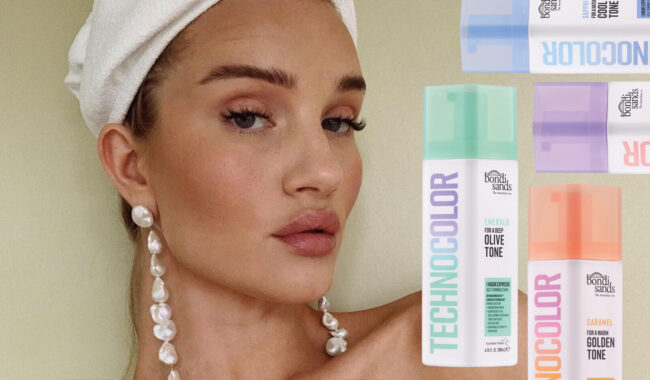
Yes really, I totally get it. I absolutely don't want to be the bad guy, believe me. We just feel better with a ‘I-just-got-back-from-vacation’ look. But then try different self-tanners that suit you and your skin. Really, there are fantastic products nowadays that won't give you an orange carrot look. So you don't have to be afraid of that. My favorites? The drops from Tan-Luxe or a mousse from Bondi Sands (tip: apply with a glove, then you won't get stains and residue on your hands).
“But I was wearing a shirt?”
Clothing doesn't always protect against UV damage. You might think you're safe under a linen dress or a white T-shirt, but unless your clothing is specially made with UV-blocking fabric, it still lets sunlight through. Thin fabrics offer hardly any protection, and wet clothing? That lets even more UV radiation through.
UV-protective clothing is recognized by the UPF label (Ultraviolet Protection Factor). UPF 50 means that only 1/50th of the radiation reaches your skin. Caps, sunglasses, and hats are great, but don't forget your neck, ears, and scalp.
“If I use self-tanner or makeup, am I protected?”
Unfortunately, self-tanner gives you a tint, but no protection. That brown layer is purely for appearance – UV radiation doesn't care about that. You can still burn through it. Whether you use drops, mousse, or spray: always apply SPF.
And then makeup. Yes, some foundations contain SPF 15 or 20, but unless you apply a full teaspoon to your face, which almost no one does? Except TikToker Meredith Duxbury with about 18 million followers, she is the only one who gets to those amounts. So see it as a nice extra, but not as protection that layer of makeup.
“I have dark skin, do I need SPF?”
Dark skin contains more melanin, which does provide some extra natural protection against UV radiation. But that doesn't mean you're immune to damage. In fact: skin cancer in people with dark skin is often detected later, which makes it even more risky. Additionally, you see pigmentation shifts like dark spots more quickly on dark skin – and you'd rather prevent those than treat them. SPF is just as important, for every skin color and type. Every day. Without exceptions.


