Why honey in your tea doesn't work
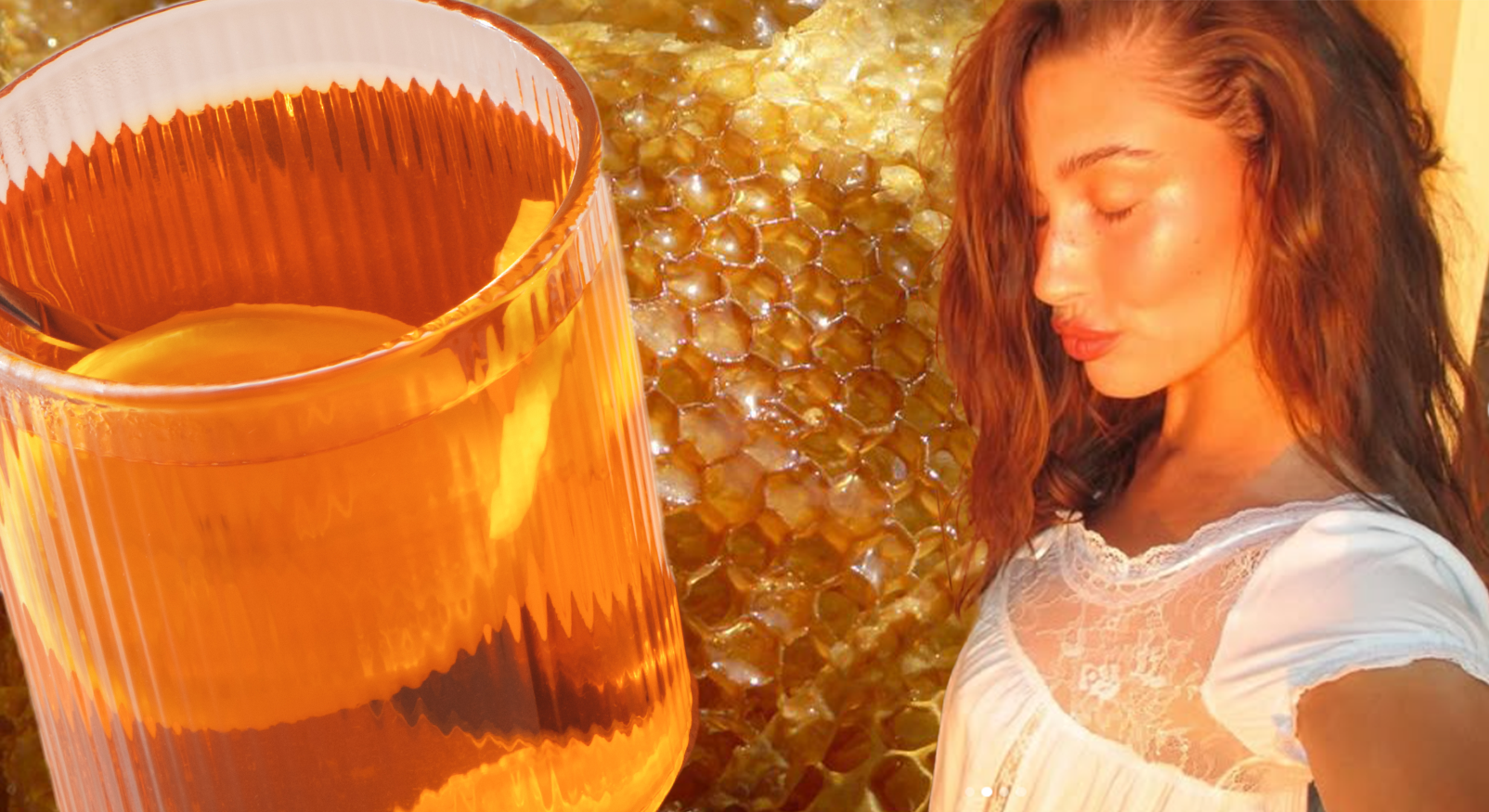
Huh, asjemenou? Now is someone going to tell you that that gold medicine for your throat is just downright quackery? Yes folks, it's not my favourite thing to do, but still I will have to deliver the hard news. How does this old confidence trick not work? Let's explain that to you.
First things first: is honey good for you or not?
That's a simple question: yes. Honey is not a ‘bread’ that one year is ‘THE superfood’ and the next suddenly is packed with salt and has too many calories. In fact, that yellow liquid really is healthy: it is a natural antibiotic that has been used against wounds and infections since 8,000 BC. That's because of the fructose, aka sugar, which draws all the moisture out of bacteria it comes into contact with. The end result? They die out.
So it works well on a scraped knee, but also for your throat. The thick, sticky texture soothes the throat, while the antibacterial action and nutrients reduce inflammation and give your immune system a little boost.

So that old honey trick doesn't work
Now I can already hear you thinking, ‘So why doesn't honey help in tea, if it's good for your throat?’ That's exactly what I wondered when I heard this terrible news. Because yes, everyone knows it: you cough and cough all day, and then there is one thing that calms your throat: a nice hot cup of tea with honey. I too am a ‘victim’ of hot tea with honey. I sit on the sofa almost every day with a steaming cup, and yes, that almost always involves honey. And then not even the honey from the supermarket (which is often mixed with sugar syrup), but fresh honey from the Biesbos. And even then it's not good? True, but it has nothing to do with the honey per se; it's in the temperature of the tea.
Here's the thing: all the good enzymes and nutrients in honey break down due to heat. Everything that is just so nice for your sore throat literally burns in front of your nose. You see, that wonder of bees is super-sensitive; above 40 to 45 degrees, things already go wrong. And guess what? Your mug of tea is almost double that: about 100 degrees. In short: as soon as you pour that honey into your red-hot cup, the effect is gone.
Does honey in your tea never make sense then?
So there you are wrong. Honey in your tea is a good idea, you just need some patience. Like most things in life, you have to think about it for a while. Count to ten. Take a breath. You do the same with your medicine. First, plop down on the sofa, grab that blanket, pick a series and after a few minutes of chilling, your tea is ready to go.
I understand you don't sit around with a thermometer waiting for that flavoured water to hit 40, that's crazy work. It takes roughly five to 10 minutes for it to cool down completely. Keep in mind most of it, because you're better safe than sorry. Then stir in your honey and you're done. This way, all those good substances are preserved, your throat heals and you can still enjoy your tea.
Oh, and another tip: less is more does not work with honey. Preferably take a ‘dose’ of seventy grams. That's 3.5 tablespoons. So grab your biggest cup from the cupboard and fill it to the top.

Which honey is best to use for a sore throat?
Because we care about you so much, we have also figured out for you which honey is best to grab from the shelf. And that, is not as simple as you thought. Indeed, the Keuringsdienst van Waarde investigated, and what turns out? A lot of honey in the supermarket is not even real honey.
- As a very first option, look at raw honey. You just can't find these in supermarkets. Rather, you can find these directly from the beekeeper, in rural supermarkets or farm shops. Don't want raw honey? Then it is still best to stock your honey from these parties.
- If you do want to score honey in the supermarket, there are a few things to watch out for: forget about your wallet and don't go for the cheapest. These are usually imported from non-European countries where regulations are different. Here, you run a higher risk that the honey has been made with sugar syrup. Check the label: if the country of origin is outside the EU, it will say ‘mixed EU and non-EU honey’. With these jars, there is a chance that it belongs to the 46% fake honey. Yes, including the organic ones.
- Avoid long ingredient lists. There is only one ingredient in real honey and that, surprisingly, is honey.
- At shops like the Holland & Barrett, Purehoney and at markets, you are more likely to buy good honey.
So you can definitely still enjoy your tea with honey, it just takes a bit of patience ánd a manual.