


Dreaming of owning your own chalet without regrets afterwards?
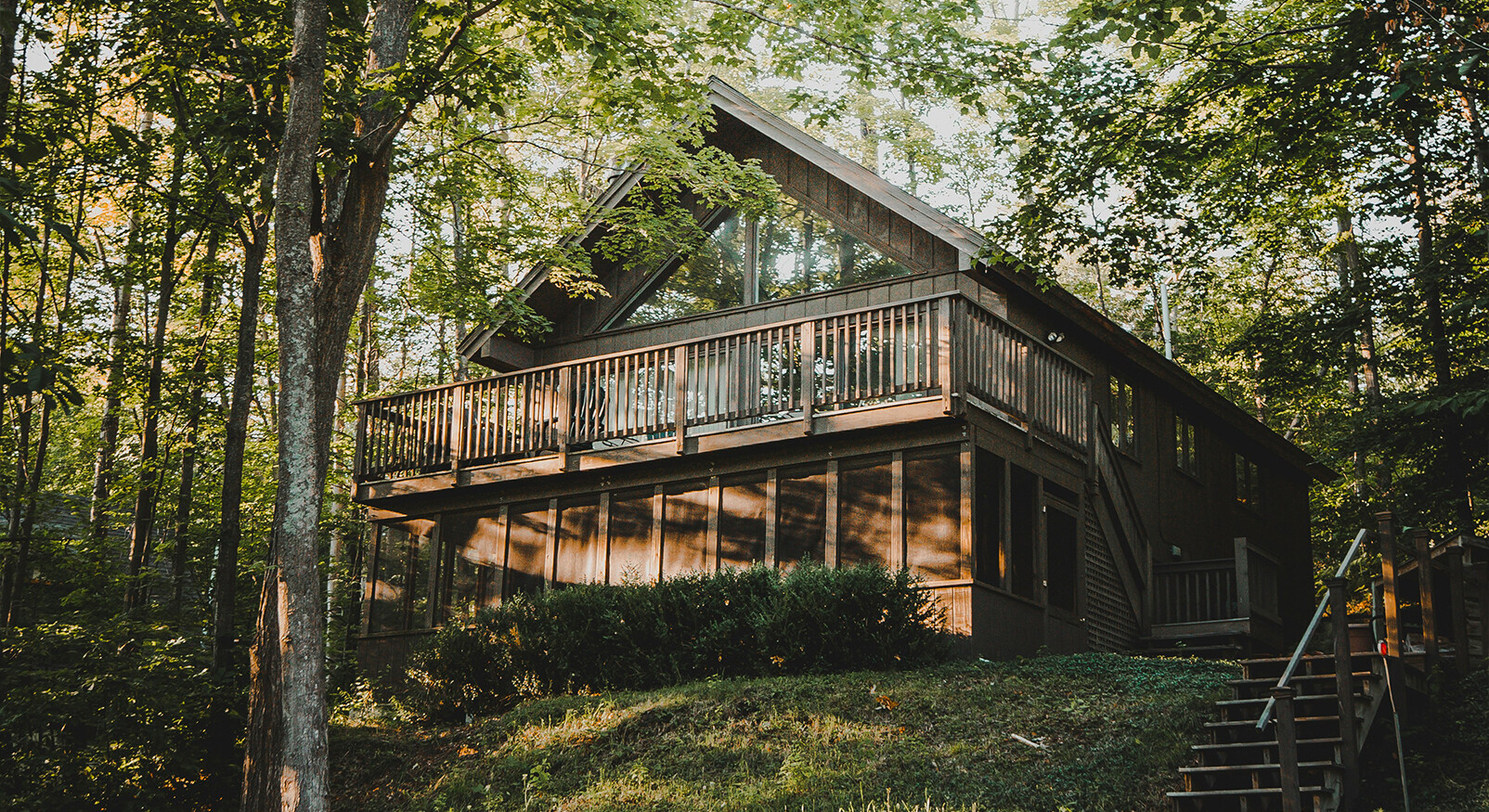
There is something about the idea of a chalet that immediately relaxes. The smell of pine needles after a rain shower, a first cup of coffee on the porch, shoes off, pace down. For many people, a chalet is the middle ground between “getting away” and “really a second home”. Not as large and maintenance-intensive as a stone holiday home, yet more comfortable than a tent or folding caravan.
Yet that allure is also exactly what you want to be alert to. You often buy a chalet with your heart, and that's fine, but it helps if you also take a moment to look around with your head. Think about how often you actually go there, with whom, in which season, and what you need to live comfortably there. The difference between a nice impulse and a good choice often lies in these kinds of simple questions.
First this: your usage determines your ideal chalet
Before you dive into layouts, colors, and decorative cushions, it's wise to determine your ‘usage scenario’. Sounds businesslike, but in practice, it feels enlightening. Are you mainly going for weekends, do you want to stay there all summer, or do you dream of cozy winter days with thick socks and hot chocolate?
A chalet for three seasons requires something different than a place where you want to work comfortably in January with the heating on. Also, write down how many people you usually are. A family with two children benefits from a layout where everyone has their own corner, while just the two of you might prefer a more spacious living area and more storage space.
If you're in the orientation phase and want to get a feel for the offerings and possibilities, it helps to take a broad look at what exists around buying a chalet, so you can make your wishes more concrete without immediately being tied to one type.

Location, rules, and costs: the three reality checks
1) Where will the chalet be located?
The location is not a detail; it is your entire experience. Being by the water sounds fantastic, but it can also mean more wind, more moisture, and thus different requirements for ventilation and materials. In a wooded area, shade is lovely on hot days, but it can also feel darker inside more quickly. Don't just look at the photos; imagine a weekday: parking, walking with groceries, children wanting to ride their bikes, and you wanting a place where you can sit quietly.
2) What is allowed by the park or municipality?
Rules can make or break your plans. Think about permanent residency (often limited), maximum dimensions, color and material regulations, or requirements regarding terraces and sheds. Ask this early on, preferably in writing. It's a shame to fall in love with a model that cannot be placed. Also practical: check if you have a fixed spot or if you still need to search, and how the placement and connections are arranged.
3) What does it really cost per year?
In addition to the purchase, you have recurring costs such as site fees, park contributions, insurance, maintenance, gas/water/electricity, and sometimes winter storage or extra insulation. A handy exercise: create a “yearly picture” as if you are taking out a subscription. Then it feels less like one big expense and more like a conscious choice that brings you joy.
Layout and comfort: how to avoid regret in daily use
The kitchen you actually use
Many chalets have a compact kitchen, which is fine as long as it is logical. Pay attention to worktop space, storage space, and whether you have a decent place to put a cutting board down without having to shuffle the kettle. If you enjoy cooking, you also want ventilation that really works; otherwise, everything smells like fried onions within an hour.
Bedrooms: more than just counting beds
An extra bedroom sounds handy, but it can mean that the living room becomes tighter. Consider who will be sleeping, how often, and whether a sofa bed might sometimes be more practical. Also, pay attention to the walking space around the bed. A bedroom where you have to shuffle sideways to get in feels more annoying after three days than you think.
Insulation and heating: comfort is in the details
If you want to go outside the high season, insulation and heating become important. Double glazing, draft sealing, and a good heat source determine whether you can comfortably stay in the evening or disappear early under a blanket. Also, ask about ventilation: comfortable living is warm AND fresh.
Style that matches your life (and not just Pinterest)
You often finish a chalet “faster” than your house, precisely because it is more straightforward. That is lovely, but also deceptive: you can easily get stuck on a theme. Preferably choose a calm base with natural materials, and add character with things that you can easily change. A blanket in a deep color, lamps with warm light, a few prints that truly make you happy.
A tip from practice: try to mentally walk through the space in the evening. Where do you put your book down? Where do you hang wet jackets? Where do you charge phones without it becoming a cable snake? These kinds of mini-choices make the difference between ’nice for a weekend“ and ”pleasant for years“.

Buying with a clear head: questions you should always ask
Whether you are looking for new or used, a few questions help you neatly place emotions and facts side by side. How old is the chalet, and what has been recently replaced? Is there a maintenance history? What is the condition of the roof, frames, and floor? Are there signs of moisture, mold, or soft spots? And what about warranty, service, and delivery or placement?
Those who are orienting themselves quickly encounter various providers. Take the time to read reviews and pay attention to transparency in information. If you are looking for general background information about offerings, maintenance, and options in the Netherlands, then Stekelbos can be a source to complete your questionnaire without immediately committing to a choice.
The checklist for your viewing (coffee included, take your time to look)
Walking route and feeling
Step inside and pay attention to what your body says. Does it feel logical? Do you enter comfortably, is there space for shoes and bags, and does the light fall in correctly? Pretend you are there for a weekend: where do you sit with a series, where do you eat, where do you put a bouquet of flowers?
Technique and finishing
Open cabinet doors, look under the edges at windows, check sealant joints in the bathroom and kitchen. Turn on taps and listen if the extraction works. These are not glamorous moments, but they tell you a lot about quality and maintenance.
Practical storage
In a chalet, you want to be able to put things away without it looking messy. Think of extra blankets, games, boots, cleaning supplies. If there is too little storage space, you will always notice it, especially if you come with children or friends.
This is how you make it your own immediately, without having to renovate on a large scale
Most people want that ‘coming home’ feeling immediately after purchase. That can already be achieved with three things: warm light (think multiple small lamps), textured textiles (linen, wool, cotton), and one clear eye-catcher like a beautiful chair or a rug. Also, prepare a small “chalet basket” with basics that you otherwise always forget: matches, chargers, a bottle of all-purpose cleaner, a roll of garbage bags.
And perhaps the most underrated upgrade: sound. A few soft materials, curtains that are just a bit fuller, and possibly a rug make the inside quieter and cozier. Then the rain on the roof doesn't sound hollow, but rather cozy, just as you hoped when you started dreaming of your own place.


