


Make your first big car choice without regrets later
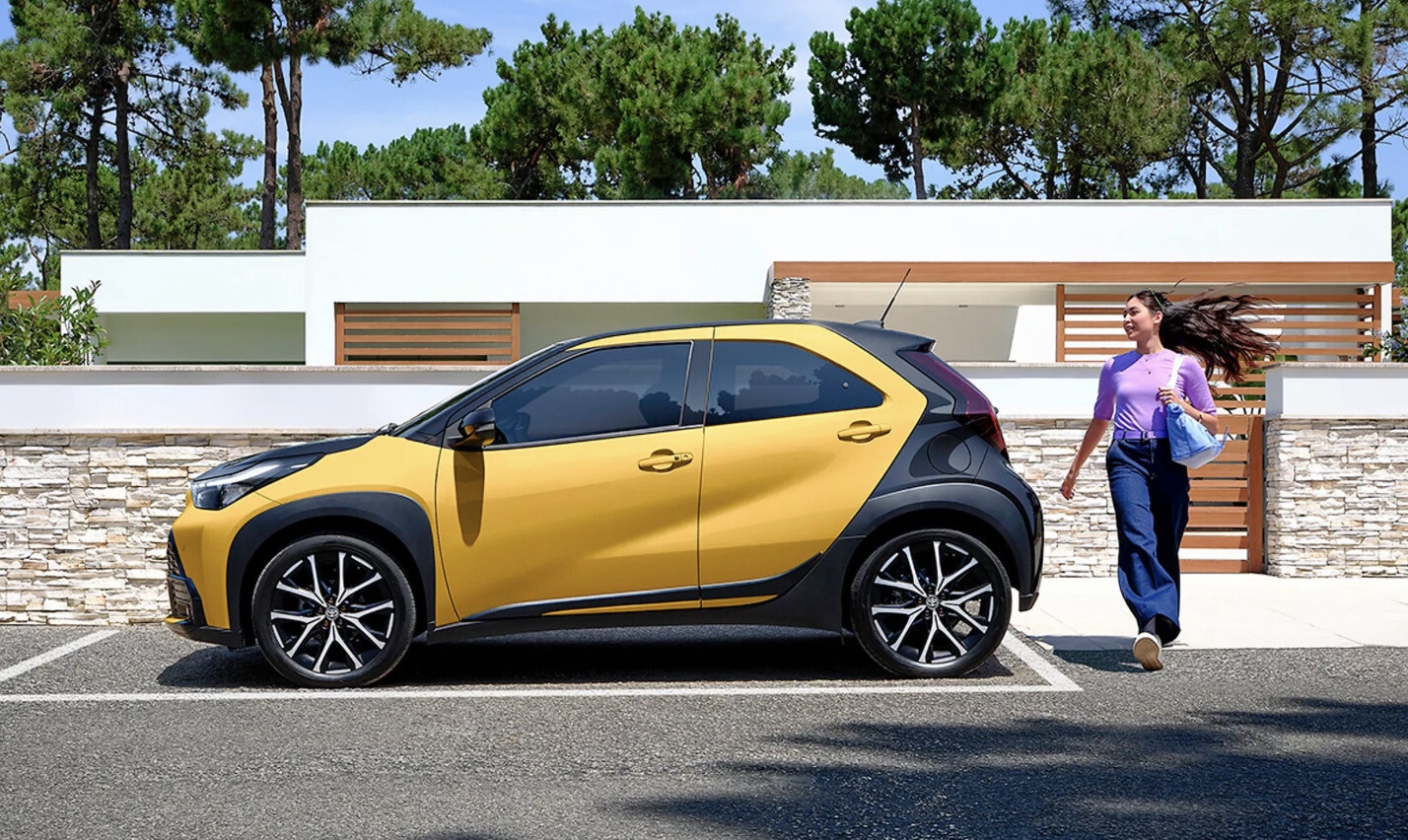
For many students and starters, getting a first car feels like a big step. You gain more freedom, but also more fixed costs. That's why it helps to first look at your own week. How often do you really travel by car, how many kilometers do you drive, and what do you mainly use it for? For a trip to an internship or work, you need something different than for long distances across the country. Those who look honestly at this beforehand often choose more calmly and wisely. Many young drivers also notice that financing a car sounds attractive because you don't have to pay a large amount all at once. However, it is wise to look beyond just the monthly amount. A car costs more than just the purchase price. Think of insurance, maintenance, fuel or electricity, depreciation, and taxes. Especially with a first car, having an overview makes a big difference.
Look beyond the price on the sticker
With a first big purchase, it makes sense to look at the purchase price. However, that price doesn't tell you everything. Organizations like ANWB and Milieu Centraal therefore calculate with the total cost picture, which also includes usage, maintenance, and depreciation. This is useful for starters because a car that seems cheap can still turn out to be expensive per month. A reliable model with low consumption and simple technology often feels much friendlier to your wallet. For many young drivers, reliability is more important than luxury. You want a car that starts on an early Monday morning, drives economically, and doesn't constantly demand attention but lasts a long time. Handy technology is welcome, as long as it makes your ride easier. Think of a good navigation system, parking sensors, or driving assistance systems that really add something. This way, your first car becomes a practical part of your daily life, rather than an expensive hobby.
Does electric already fit your rhythm?
The question of whether an electric car is smart strongly depends on how you live and drive. Buying an electric car can be interesting when you mainly make short and medium trips, drive in or around the city, and have a charging point nearby. The usage costs and maintenance are often more favorable than with gasoline, but the purchase price is usually higher. Since January 1, 2026, you also pay 70 percent of the regular rate for motor vehicle tax for a fully electric passenger car. If you live in a student house without your own driveway, it is wise to also consider charging. Public charging is more expensive than charging at home, and fast charging usually costs even more. For someone who is often on the road and can plan little, this weighs into the choice. Those who mainly have fixed routes and can charge well can experience a lot of convenience.


