


Proven: remote workers are truly happier
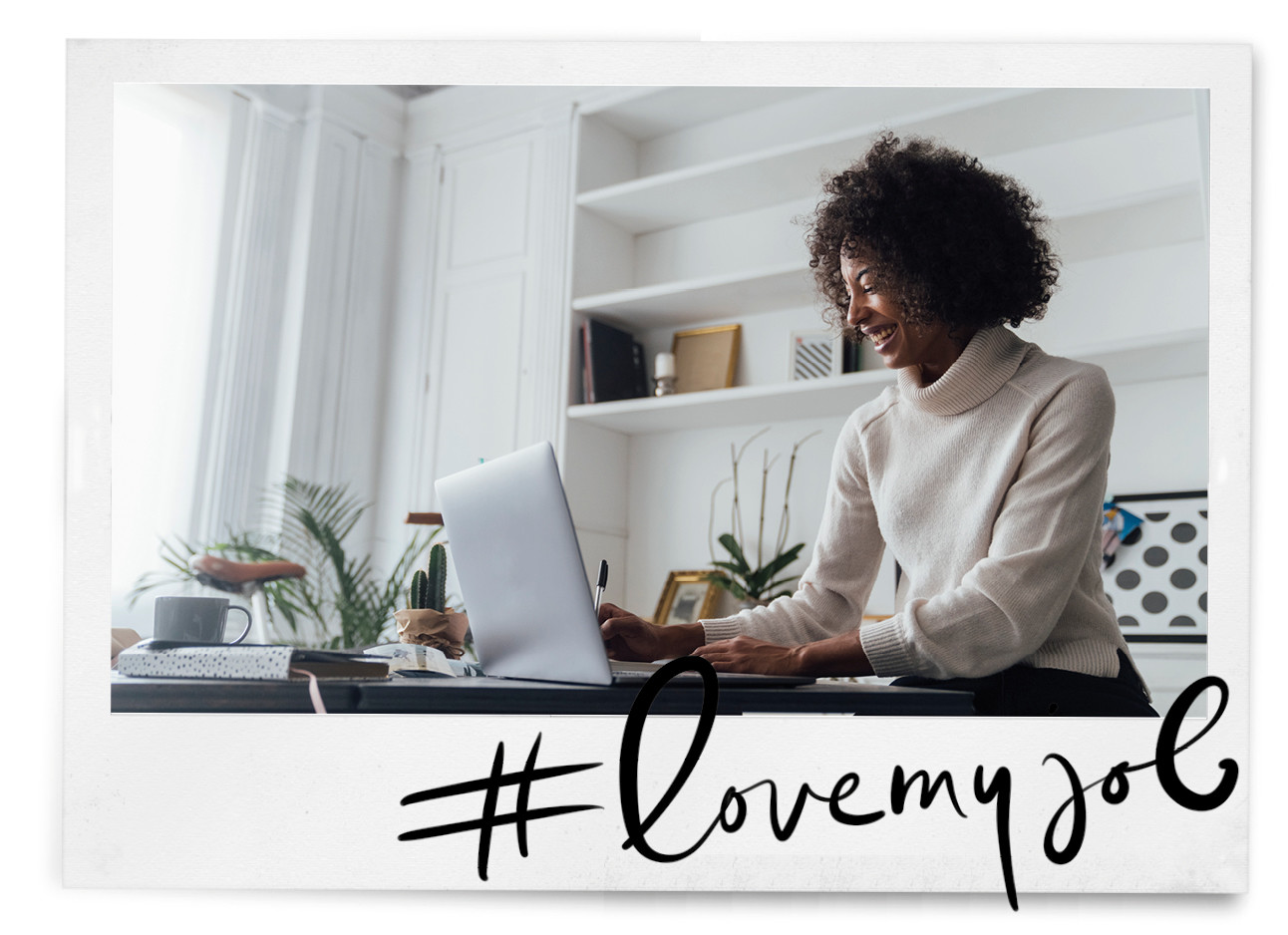
I believe I am a bit ahead of the trends, because I am no longer into working from 9 to 5. Or well, I can do it, but I don't know if that's the best. It's as if you can focus best during those specific hours.
Of course, it works differently for everyone, but it seems very healthy to me to step out after a few hours of work. To exercise, walk, do groceries, have coffee with someone, you name it. Just reset your mind. Then you have dinner, put your kids in the bath and bed, and flop on the couch – with your laptop, of course. And so you work concentrated for a few more hours. My most creative ideas always come out around bedtime. Working hours will shift in the future, just watch: working from home ‘will become the new normal’. Home workers are much happier, researchers now report.
And that's not all: they are also more productive. So I'm not the only one who benefits from being able to take a break when needed, to then continue working with fresh energy. The only thing I miss when I work from home are the colleagues, of course. 59 percent of home workers in the Netherlands agree with me: working without colleagues around is a lot less fun. Another 39 percent of people miss the change of environment: going from your bed to your kitchen table is a bit boring. That's why I wouldn't recommend working from home every day of the week as a psychologist, but about half of the hours you work. This way you have a nice balance.
Researchers do believe in this approach. Since the corona period, more people than ever are working from home: it saves time, money, hassle, rushing, stress, and busyness. You can organize your day exactly as you want. According to experts, people work much more efficiently because of this. And after a day of working from home, people are generally more positive and less exhausted. The biggest advantages of working from home for most Dutch people are: not having to commute (68 percent), organizing their own time (61 percent), being able to concentrate better (34 percent), and more quality time with your family (29 percent). Yet there is one major disadvantage: managers rate people who work from home a lot lower than those who do show up at the office. This is an old fact in psychology: the Mere-exposure effect. It simply means: what you see often, you like. So that boss prefers to work with the employee he or she sees often in real life rather than the one who may get a lot of work done at home, but with whom they hardly sit at the table. We like what we see.
About 60 percent of workers in the Netherlands now work partly from home, and as far as I'm concerned, that number can go up. And many others agree with me. At least 53 percent of the Dutch indicate that they want to keep working from home after the corona crisis. You get a lot of work done, you feel mentally better than after those mandatory eight hours sitting inside behind a desk, and you also remain loyal to an employer longer because you find your job more enjoyable this way. Seems like a good thing to me. So if our Mark is reading along, that would be great. And I wish him a very calm work-from-home day as well.


