


The mental impact of the measures
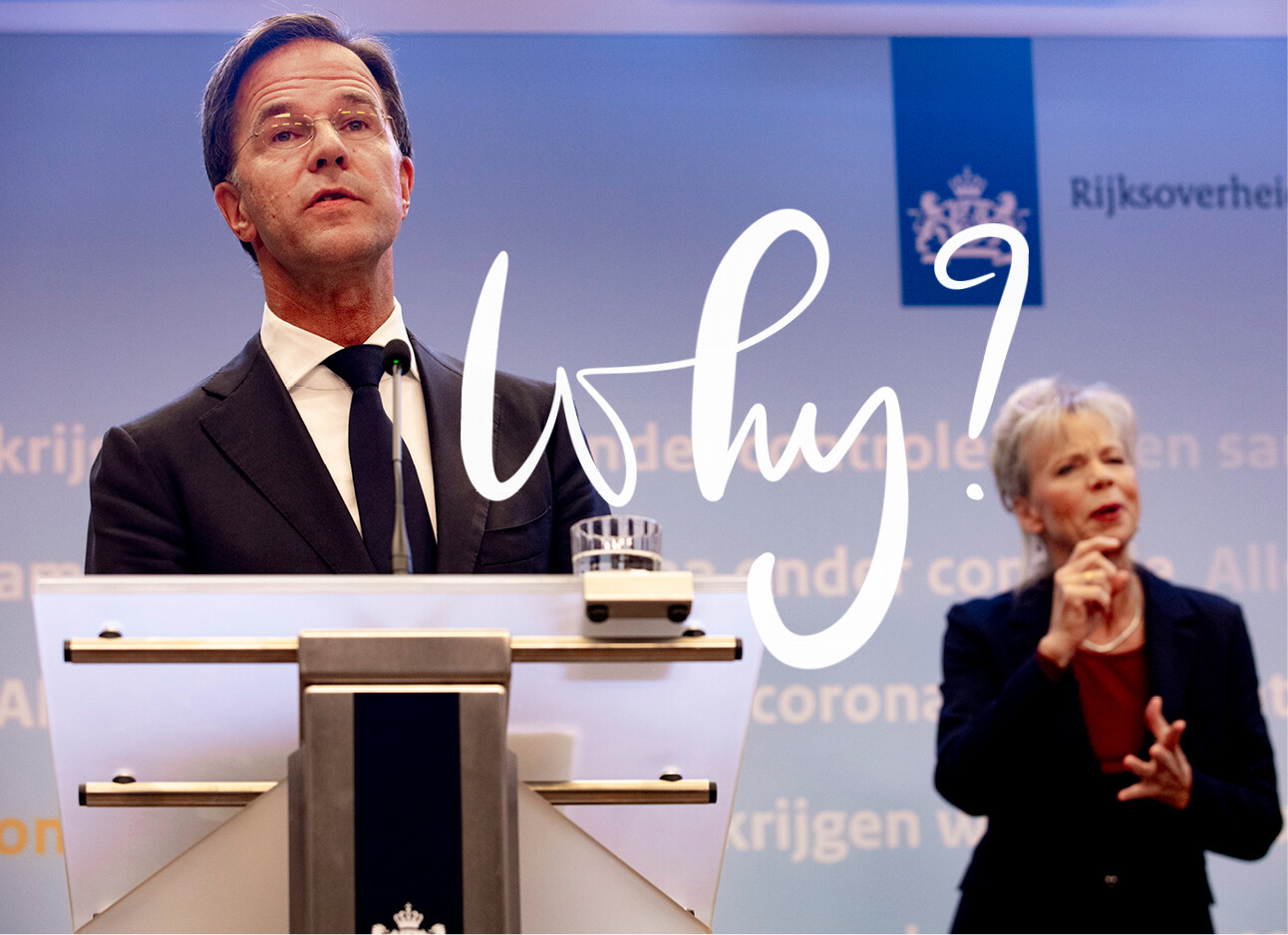
The press conference was. This time in a sober and quick format, with only one question for all journalists. Actually, you don't even need to watch it anymore, because measures or roadmaps usually leak out earlier. But suddenly, Hugo de Jonge revealed almost in passing last night that the measures will remain in effect until at least December. What does this lockdown light and such a second wave do to us mentally? We call psychologist Yvonne Lankhaar.
“I see many people with chronic complaints, they are at the mercy of how others are doing. For this group, the measures cannot be strict enough. But the unique thing about this situation is that no one can escape it and it affects every person, even if you completely withdraw. Everyone has a different survival strategy, for some it manifests in anger, for others in fear,” Lankhaar explains.
That the reactions in a second wave are more intense is logical. Lankhaar: “The consequences become greater, think for example of family members who become ill or financial problems. In such a first wave, there is more confidence that we can keep it under control together, even when warned for a second time. A person wants a piece of control, but it is a difficult situation to get a grip on because so many factors are at play. Even though we try to manage that with measures, some can adapt to it better than others. Each person, of course, for their own reasons. That also has to do with how flexible you are. With the increasing consequences and the lack of relaxation after tension, such as no vacation, fear or anger can increase.”
So it actually comes down to the fact that you and I have just a different survival strategy, which is why I might be scared and you are angry or vice versa. Clear. I heard Yvonne Lankhaar mention mothers who have only seen their children fleetingly by a window since April, which puts a lot into perspective for me. Perhaps putting things into perspective is at least as important as your survival strategy.


