


Why eating in color is a very healthy plan
From former model to nutrition consultant, Michelle den Hollander flew around the world from shoot to show, but also experienced the struggles of having the ‘right’ measurements. This brought her to where she is now, and on Amayzine she shares tips.
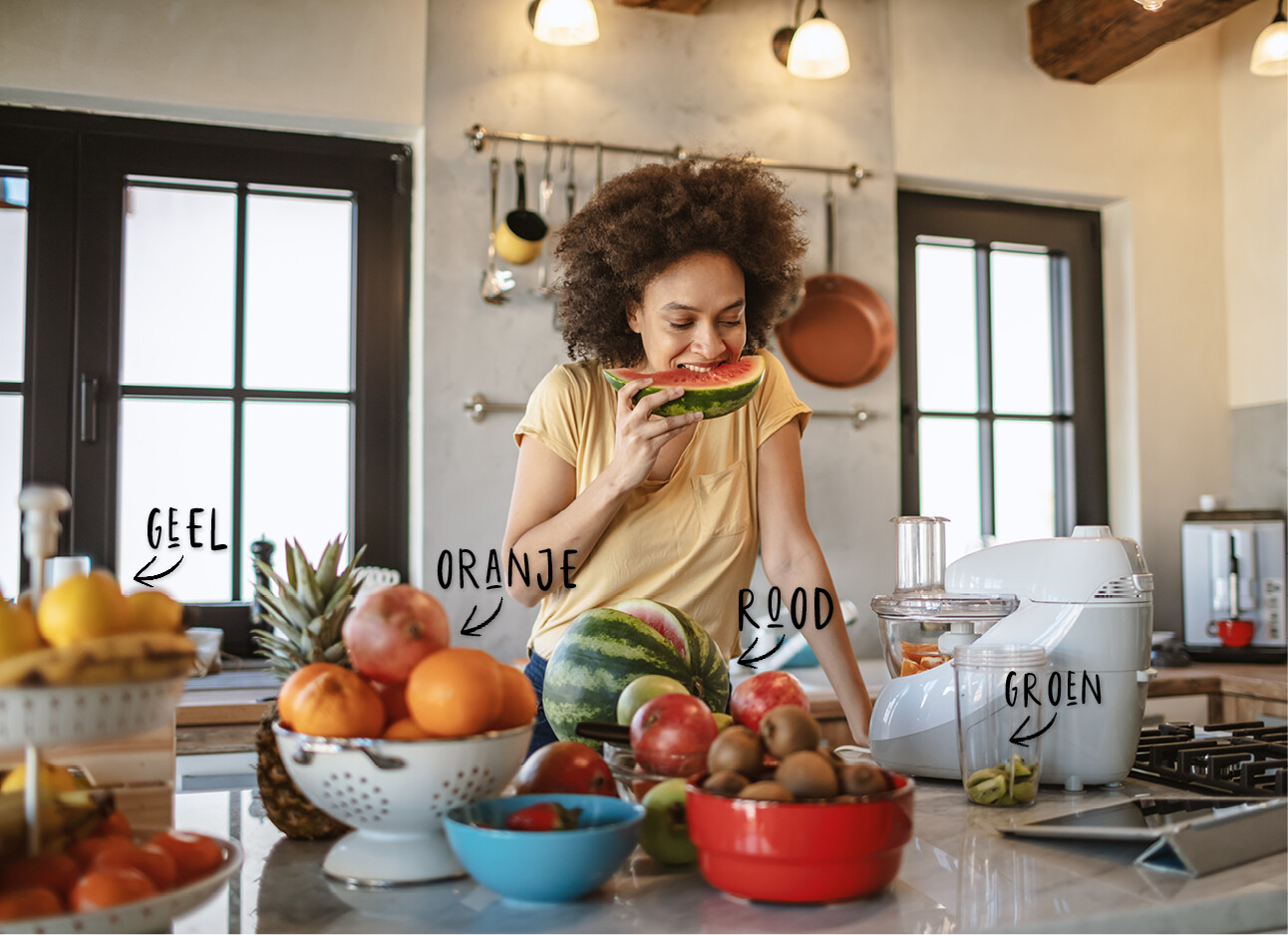
The more color you eat, the more nutrients you get. Colorful food is therefore incredibly important. The natural variant, not those chemical colorants. You mainly find vitamins and minerals in fresh vegetables and fruit, preferably in the whole color palette. The more color a product contains, the more antioxidants it has.
It often happens automatically when you eat according to the seasons. Now is the time for mandarins, while just two months ago we were still enjoying berries. But if you don't do that, especially alternate that zucchini with a bell pepper or a carrot. Color also makes food more appealing. Seeing delicious and colorful food makes your mouth water. This ensures that you produce more saliva, making it easier to digest your food.
Each color contains different vitamins and minerals, but each color also has a different effect on us both physically and mentally.
Red – warms and stimulates, represents energy, strength, excitement, and passion
Red foods are rich in iron and therefore good for your heart and blood vessels. They increase energy levels, cleanse the blood, and contain a high potassium content for extra vitality.
Vegetables and fruits: red bell pepper, red chili, radish, radicchio, red onion, red lettuce varieties, tomato, strawberry, cherry, red currant, raspberry, and pomegranate
Orange – strengthens, calms, stimulates appetite, opens up and brings joy
Orange foods are rich in enzymes that promote a healthy appetite and digestion. They contain many vitamins that provide energy, stimulate a healthy libido, and help strengthen the immune system. Additionally, they are good for the eyes and skin.
Vegetables and fruits: carrots, orange bell pepper, pumpkin, cantaloupe, papaya, orange, mandarin, apricot, mango, peach, and nectarine
Yellow – has a harmonizing, laxative, and cleansing effect
Yellow foods help the body detoxify. Many of these products are slightly acidic and thus contribute to good digestive function. Additionally, they stimulate the nervous system and the brain.
Vegetables and fruits: yellow beet, yellow bell pepper, corn, banana, pineapple, lemon, grapefruit, melon, but also nuts, seeds, and turmeric
Green – provides balance, represents growth, is calming
Green foods contain a lot of vitamin C and fiber and ensure harmony and balance in the body.
Vegetables and fruits: broccoli, Brussels sprouts, cabbage, kale, pak choi, bimi, arugula, rapini, cucumber, green asparagus, zucchini, broad beans, algae, avocado, kiwi, pear, apple, gooseberry, lime, green grape, and herbs
Blue – is antiseptic, provides clarity, is sleep-inducing, calming, and instills confidence
Blue foods cool and calm the body. They promote sleep and calm thoughts that overly stimulate the brain.
Vegetables and fruits: blueberry, blackberry, bilberry, blue grape, plum, raisin, black cherry, olive, juniper
Purple – stimulates creativity, spirituality, and is antibacterial
Purple foods are good for memory, helping to develop inner knowledge and intuition.
Vegetables and fruits: eggplant, turnips, truffle potato, sweet potato, red cabbage, purple carrot, beet, blackberry, purple plum, grape, and fig
White – enhances the effect of all color energies in food
Vegetables and fruits: banana, onion, mushroom, cauliflower, endive, cauliflower
If you eat according to the colors of the rainbow, you can assume that you are eating healthily.
Michelle den Hollander is a nutrition consultant and hormone expert. With Michelle's Good Food, she shows that a healthy lifestyle is not a punishment and can also be easy. This way, she helps you choose delicious and good food to feel better. Want to learn and read more? Visit her online.


