


The whole world is overstimulated and that makes sense
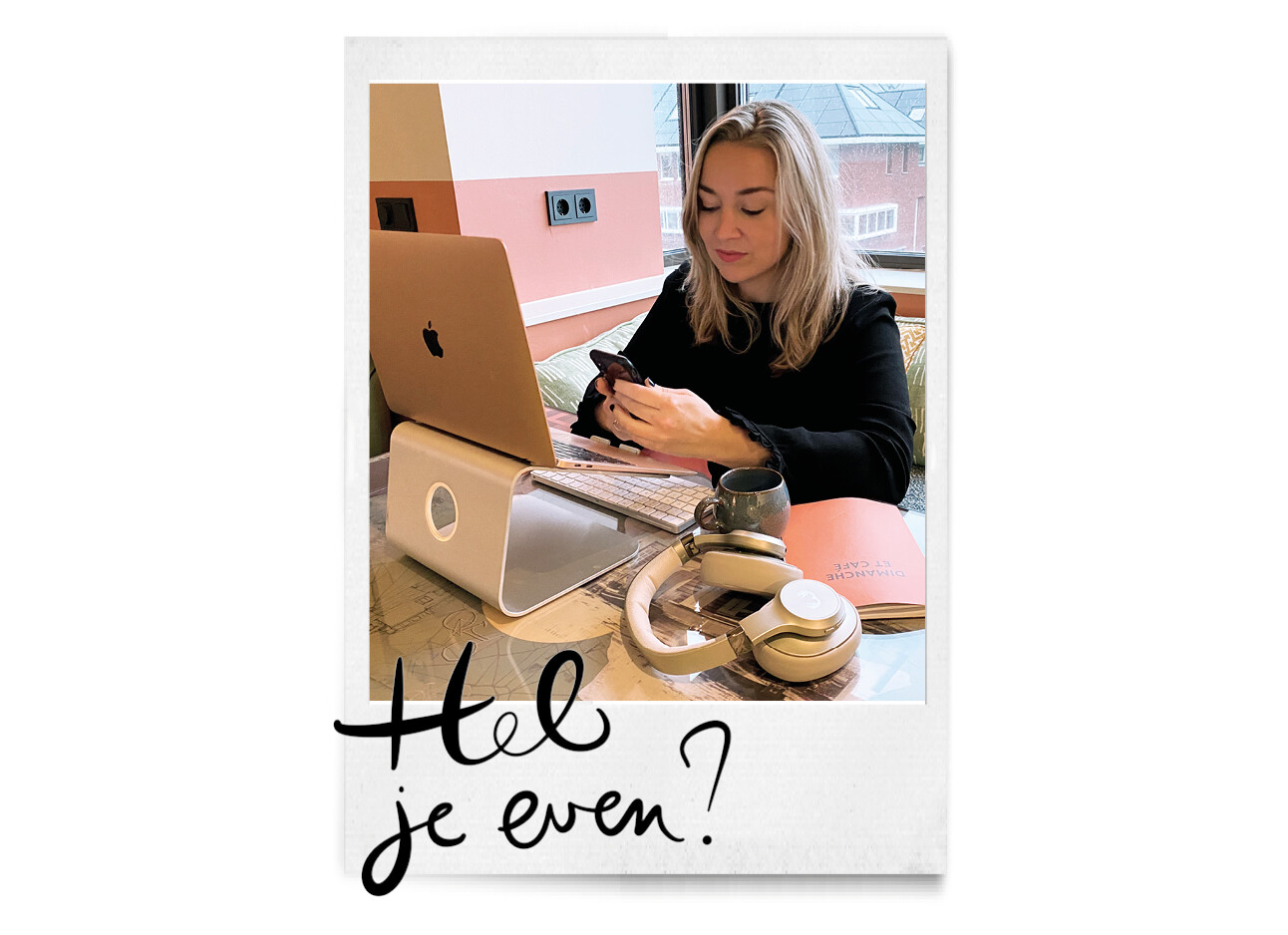
Today I have a wine walk scheduled. I could write here out of self-preservation that it's about a food walk, but it really is more about wine. It lasts from two o'clock in the afternoon until at least six o'clock in the evening, because a friend in question has to move on to another appointment. The only thing I thought was: how nice, then I can lounge in the evening and fall asleep on the couch. And I really mean that.
The lockdown made me precocious, let's just leave it at that. Before corona, I wouldn't hesitate to have a coffee date in the morning, lunch with family in the afternoon, and drinks late into the evening with friends, but now I already get tired at the thought of it. And that's not so strange, because what a person has to process in a day is a lot. It has even been scientifically proven that a person in 2021 receives as many stimuli in one day as a person in the Middle Ages received in a whole lifetime. Let that sink in for a moment. It seems that I, for example, used to need a little stimulus from the teacher every ten minutes in math, but someone who is now between fifteen and twenty years old needs to be stimulated every eight seconds to keep up. Every. Eight. Seconds. I find it a lot.
It is especially difficult if you are highly sensitive, explains psychologist and behavioral scientist Rosalie van Gils from Bureau Breinfijn. It has everything to do with your autonomic nervous system. “Your autonomic nervous system has two sides, the sympathetic part and the parasympathetic part. The sympathetic part is our gas pedal, this part kicks in when we need to take action. In the past, this was of course when there was danger from our environment. In our current society, we don't really deal with immediate danger anymore, but our nervous system is still often on the gas pedal. When we worry, are stressed, or anxious, we unconsciously accelerate. A person can maintain this for a long time, months to even years, but there comes a moment when the bucket is full and overflows. The well-known burnout. The parasympathetic part of our nervous system is the brake. Regularly being on the gas pedal is not a problem, as long as you take enough recovery moments for rest and recovery.”
Highly sensitive or not, can you just not process all those stimuli? Psychologist Rosalie van Gils has a handy exercise for you that immediately helps to close yourself off.
1. Think in your mind about which part of the space belongs to you
2. Mentally draw a circle around yourself in that spot
3. Imagine that this is a bubble that completely surrounds you, like a kind of balloon
4. Determine how close that bubble should be: thick frosted glass, transparent, or rather concrete
It takes a bit of your imagination, but the more you practice, the easier it becomes to exclude unwanted stimuli. See it as a breather in between. By the way, sitting in a bubble on the couch in your jogging pants on Saturday night is also a great plan, if you ask me. A lot of trouble with stimuli or stress? At Bureau Breinfijn you will find tips and online training to deal with this.


