Wieke's Facts about... space
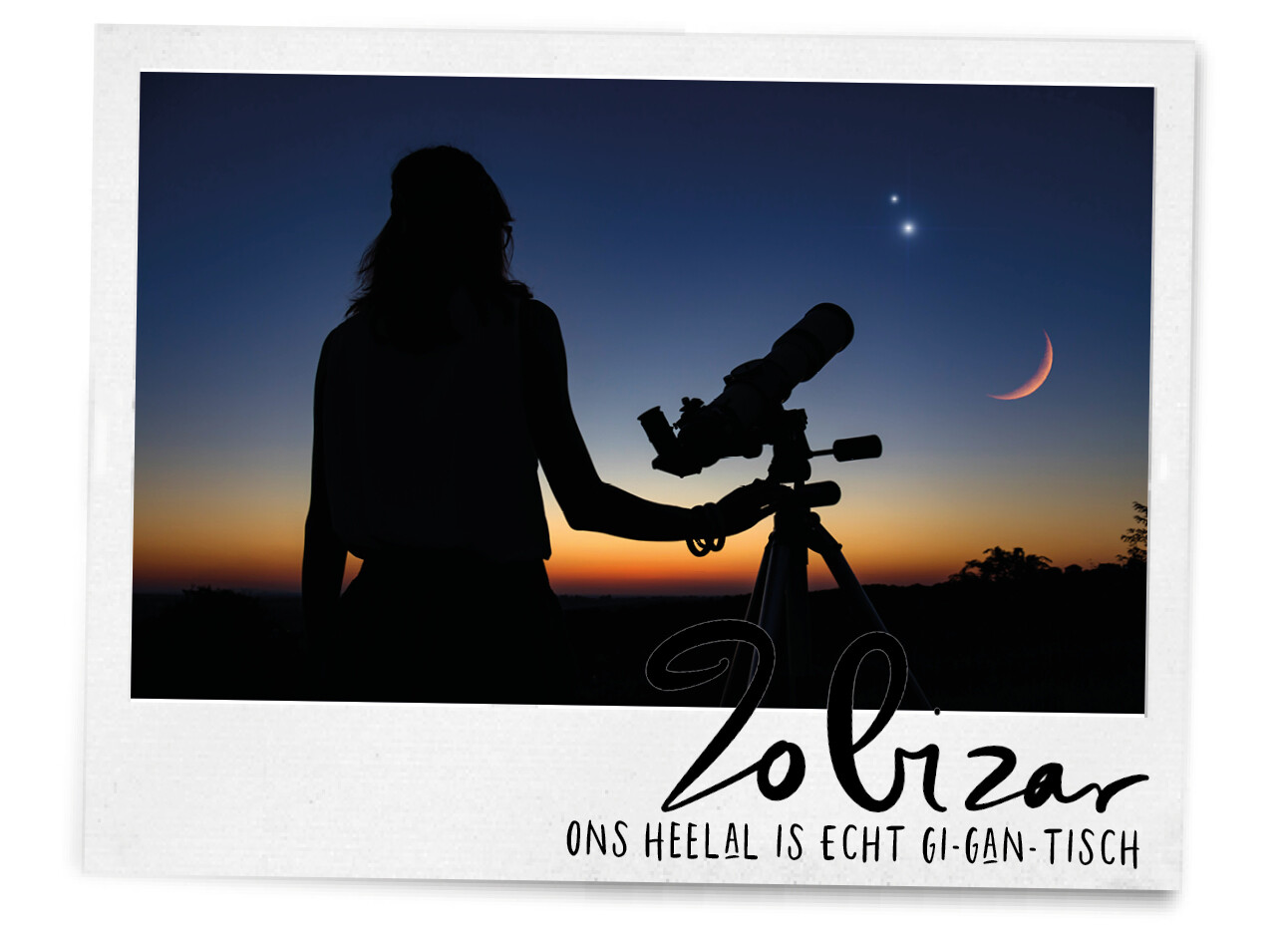
What you probably didn't know about me is that I really go through phases. And these can be phases of anything, lasting anywhere from a week to a few months. Then I have a subject, a thing, something I'm really into, and I dive deep into it. The last few months, that has been space, since I read Stephen Hawking's book. I read it as an attempt against my astrophobia, but I don't know if it really helped. I'm still obsessed, and I guess this phase will last a while longer. It's logical, really, because the universe is truly incredibly vast. Infinitely vast. Well, before I fall into an existential crisis again, I have ten fun facts about space for you.
1. A day on Venus lasts longer than a year. How does that work? Venus takes longer to rotate on its axis than it does to orbit the sun. Just imagine what a calendar would look like there.
2. It is estimated that there are about 100 billion galaxies in the universe, but that number could rise to 200 billion more as our technology develops. And we are one of them. ONE. Mind. Is. Blown.
3. In a few hundred million years, our planet will be uninhabitable, whether we manage to stop global warming or not. The only way for humanity to survive is to travel to another planet.
4. If you could drive vertically upwards in a car, space would be less than an hour's drive on the highway.
5. Pluto hasn't even completed half of its orbit around the sun since it was discovered. Lazy Pluto.
6. Time for that existential crisis: our universe is truly gi-gantic. Want to know how big? Check this site and scroll yourself into a frenzy. This is what space looks like if the moon were just one pixel.
7. Our moon was formed by a collision of a planet the size of Mars with our Earth, about four billion years ago.
8. There are more stars in the universe than there are grains of sand on Earth. In fact, those are only the stars we have actually been able to observe.
9. At this moment, we are living in the Golden Age of the universe. It is old enough for life to have emerged, but young enough that we have been able to observe other galaxies. That will change in the future: we won't be able to see the other galaxies anymore because space is only expanding further.
10. If the Milky Way were the size of the United States, the sun would be the size of a white blood cell.
Bottom line? Space is big. Really big. Inconceivably big.