


5 German dishes that we really don't understand
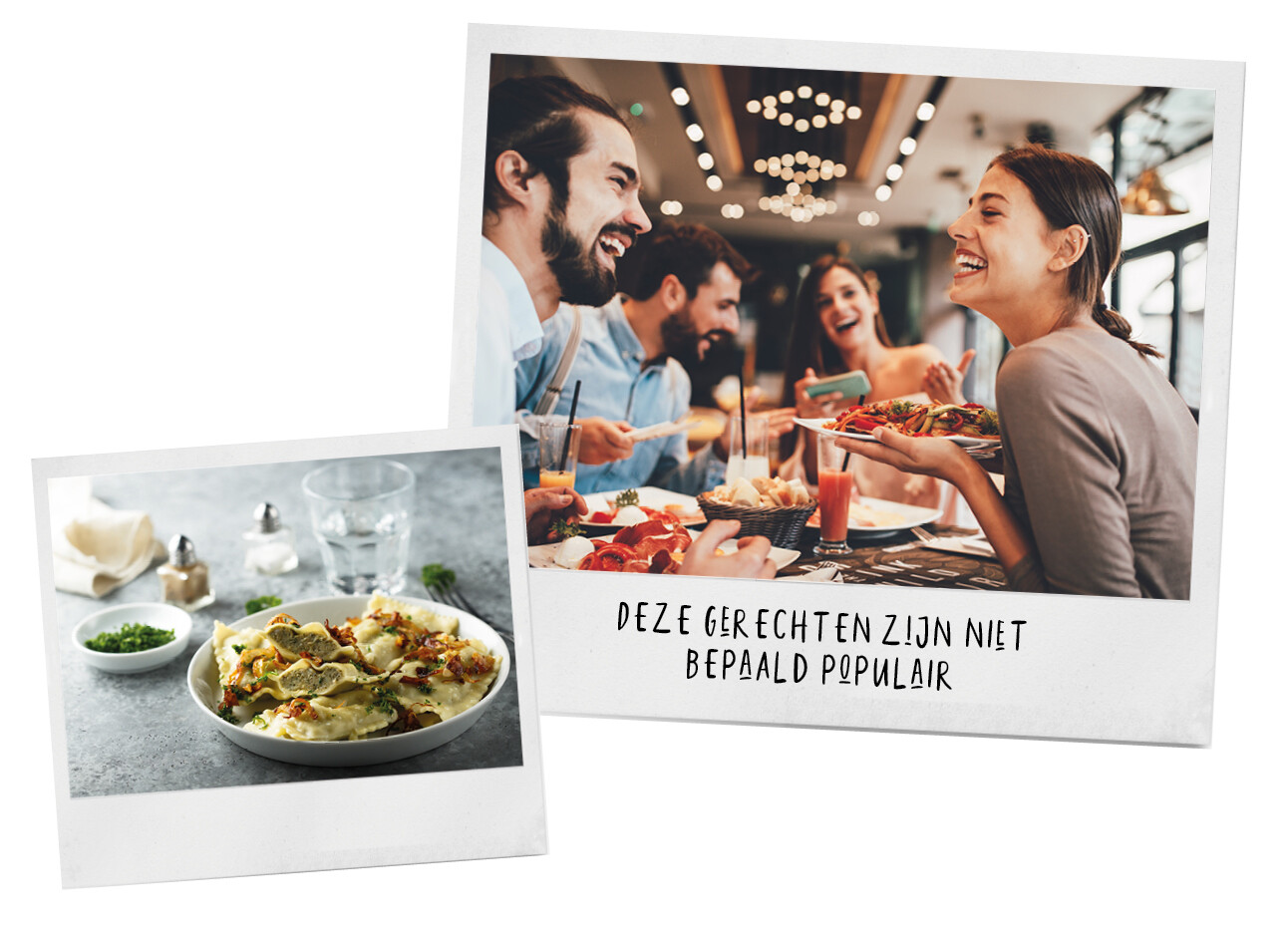
Say wine, snacks or haute cuisine and the gourmands at online food magazine FavorFlav know where to drink, how to eat it and what to cook. This time our cheffies serve you: 5 German dishes we don't understand at all.
A gigantic country, Germany. About 82 million people live there, and apparently, they all eat the craziest things. Or you might find Maultaschen normal, but then you probably have never tasted ravioli.
Germany is really close, but when you find these dishes on the menu or on your plate, it still feels like you are quite far from home. And not always in a positive way. Schnitzels and Schwarzwälder Kirschtorte are well-known and beloved dishes from German cuisine, these five are – understandably – a lot less famous.
Maultaschen
To start with that fantastic name: feeding bags. They are also named after the bags that donkeys and horses wear to eat oats from. They are a kind of ravioli, filled with minced meat, parsley, onion, and breadcrumbs. Reminds you of ravioli, but the lesser version (if we are being honest). On the other hand: Maultaschen are recognized by the European Union as a regional specialty. There.
Weisswurst
Doesn't look very cozy, a white boiled sausage on your plate. Traditionally served with pretzels, a delicious salty bread twist, and sweet mustard. Did you know that in Germany they have the Weißwurst-äquator, the sausage equator? That is the border between Bavaria and the rest of Germany, places where white sausage is eaten and where it is not. Enjoy your meal.
Falscher Hase
You might think you are going to eat hare back or hare stew: wrong. It is a meatloaf filled with eggs. A dish from World War II, when everything was scarce. German housewives improvised and made a dish that, if you looked through your eyelashes, looked a bit like hare. A very tiny bit, then.
Eisbein
Not suitable for vegetarians: a piece of pork that the whole family can eat, and then you still have enough left for sandwiches for the next day. It is a piece of pork knuckle, cooked with all kinds of delicious flavorings, and then baked in the oven for a nice crispy, shiny crust. It goes with sauerkraut and a beginning arteriosclerosis, because wow, this is incredibly fatty (and delicious).
Labskaus
On Hanseatic ships that traded in the Netherlands during the Middle Ages, there was no fresh supply to be found, so the cook made a dish called ‘Labskaus’, a pan with salted meat, bacon, sour beets, onion, carrots, salted fish like herring, and whatever else was lying around in the galley. Typical German to make a national dish out of that. It is still eaten in Bremen, Hamburg, and Rostock. To make it even crazier, fried eggs and pickled cucumbers are now served with it, writes the website Wereldbackpackers. May we thank?


