


This is why you can be completely done with someone in one go
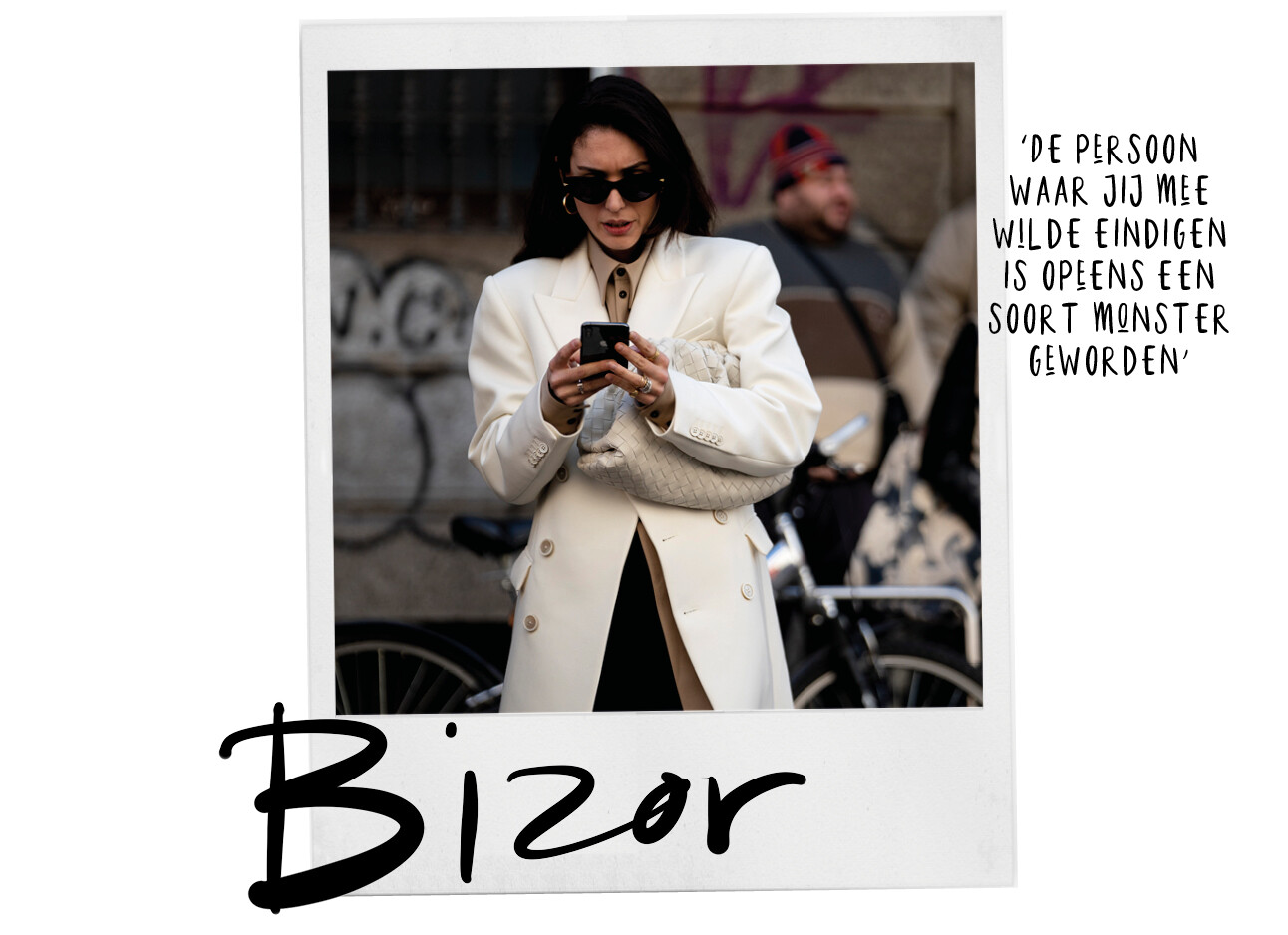
Imagine the following situation: you have had a few nice dates with someone you have had your eye on for months. Your head is completely in the clouds. Even before dating started, you were sure: this is the one, because you just feel it, right? After a long manifestation, this person has finally come into your life and everything seems to be going perfectly. But then, completely unexpectedly, after the fifth date, he/she turns out to be AWFUL. The person you wanted to end up with has suddenly become a kind of monster. You have no idea what exactly triggered this, but even their breathing is too much for you. You are endlessly annoyed by everything, and I mean everything, this person does. Sound familiar? I have experienced this often enough myself, and it is a disaster scenario that I regularly hear from friends. Do we really always want the unattainable? Or what is this actually about? Why can we suddenly be completely done with someone?
Wherever this turning point may come from, there is at least a term for this phenomenon, namely the ‘ick’, where attraction to a potential partner suddenly turns into a feeling of disgust. Raquel Peel, associate professor of psychology at the University of Southern Queensland, can tell us more about this. According to her, the ick can be triggered by something small, like a silly laugh, a bad dance move, or a strange way of walking. Something that sets off alarm bells and makes you think: get out of here. But why do we find this so terrible that we immediately want to pack our bags?
According to Peel, there is a possibility that this ick is a kind of self-defense mechanism or strategy to protect ourselves from the failure of a relationship. Underneath it is actually the fear of attachment, fear of intimacy, or fear of rejection. You grab onto the ick as a way to escape.
Another option could be that there is a so-called ‘flip-flop’ phenomenon, where what attracts you to someone today can be the same thing that repels you tomorrow. ‘Flip’ stands for a positive trait and ‘flop’ for a negative trait. But flip and flop often cannot exist without each other. For example, if you find someone's humor very attractive, you might have to accept that the silly laugh comes with it. Think of it as a kind of package deal: no funny comments without that silly laugh. Another example: you fell for someone because you found them wild and carefree. But suddenly, at moments when you need him/her, this person feels irresponsible.
Of course, we all want to feel safe with our loved one, to trust them, and to communicate about everything. But if the other person's behavior suddenly frightens you, we can lose that feeling of safety. Humans naturally seek this safety, so as soon as we feel threatened, we can quickly look for ways to distance ourselves. The danger is that during this ick moment, we act too quickly. You might deprive yourself of something beautiful purely out of fear, because entering and maintaining relationships is not easy. Therefore, it is important to ask yourself during such an ick moment whether this is just a pattern of your own reluctance or whether you truly find someone annoying because of certain traits and therefore are unable to move forward with that person.
Peel: ‘In my research, I have seen people quickly move from one relationship to another, searching for something specific and usually unrealistic. A ‘trigger’ for these people to continue their search can be something like a bad sense of fashion, the wrong taste in music, or even a ‘childish’ nickname.’ According to Peel, we need to become more flexible and view a relationship as something that can change and therefore grow. Problems should be seen as something that can be tackled together.
Peel's advice is therefore once again: if you have an ick moment, take a moment to stop and think about what exactly happened. Are we rightly protecting ourselves because we just saw something that makes us sure it won't work with someone? If you hear your potential partner speaking rudely to a waiter, that is according to Peel a valid ick to withdraw. This says something about someone's character. But if we get the ick because we are actually acting out of destruction, we may unnecessarily deprive ourselves of the chance for true love. This question requires a lot of self-reflection and insight, but it is certainly worth exploring, according to Peel.


