


These are the common mistakes when preparing eggs
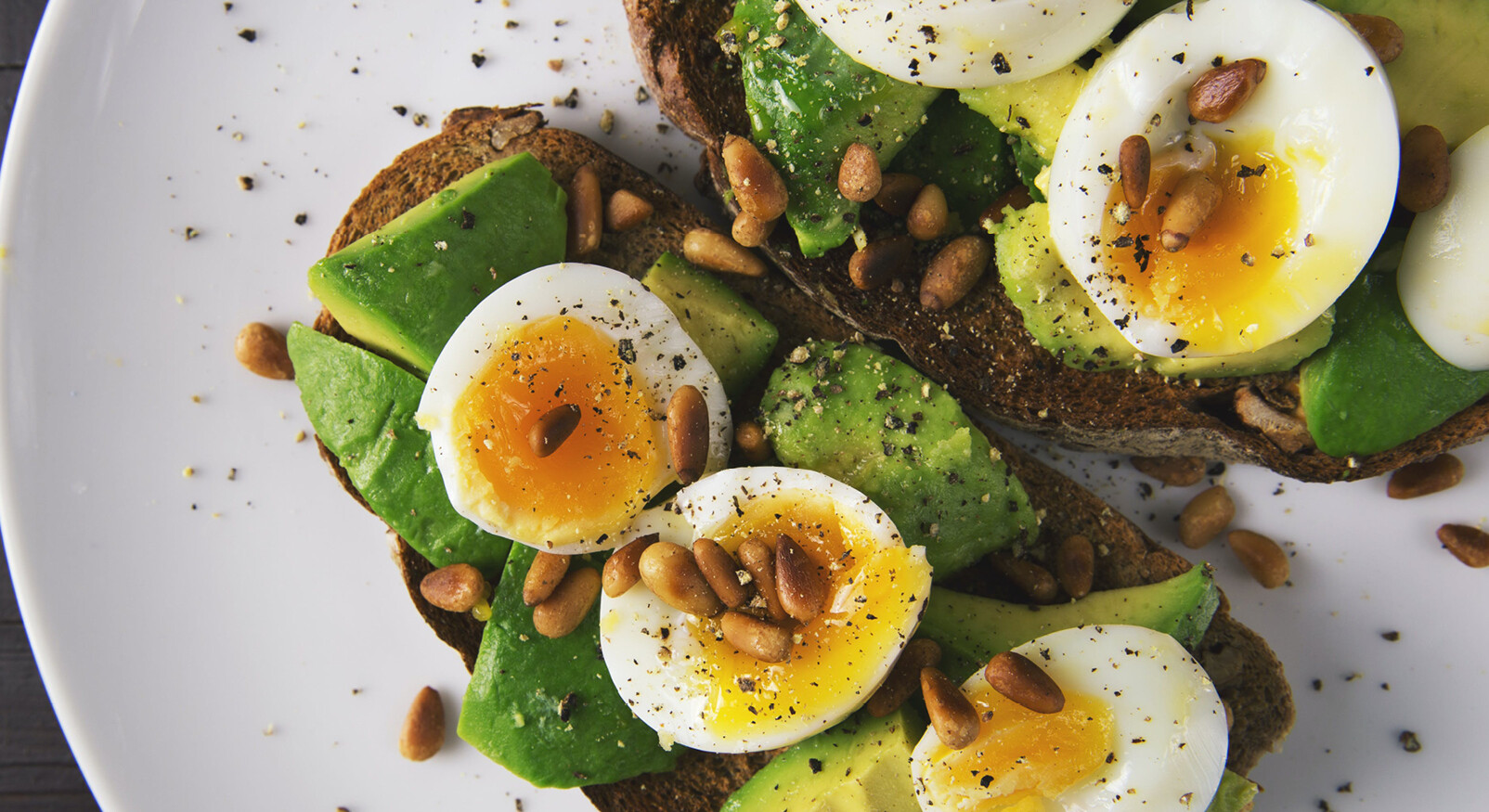
Say wine, snacks or haute cuisine and the food lovers of online food magazine FavorFlav know where to drink, how to eat and what to cook. This time our chefs serve you: the common mistakes when preparing eggs.
Eggs are essential for many people in the kitchen: at breakfast, at lunch, boiled as a snack or as a great budget option for dinner, eggs are always delicious. Yet, for something that seems simple at first glance, these mistakes are surprisingly often made…
And that’s why, to brush up on the basics for everyone who loves eggs that you might still be missing, here’s a list of the most common mistakes when preparing eggs:
Breaking the eggs for scrambled eggs directly into the pan
Making scrambled eggs is already so easy, so take that extra minute to break the eggs into a bowl and whisk them a bit instead of breaking them one by one into the pan. This way you get evenly cooked and colored scrambled eggs, instead of pieces of egg white or yolk that are cooked earlier and thus harder than the rest.
Making scrambled eggs in a pan other than a non-stick pan
No matter how well you and your cast iron pan are in sync, you can really make scrambled eggs better in a frying pan with a non-stick coating. You really don’t want to scrape burnt stuff out of your pan and it’s a waste of your egg too. Everything that sticks to that cast iron bottom could have just been on your plate.
Having the heat under your scrambled eggs too high
Eggs cook super quickly in a frying pan, and at high heat they dry out quickly too. Heat the pan over medium heat and lower it a bit when the whisked eggs go in. At this lower heat, you have better control and it’s easier to take them off the heat at just the right time.
Forgetting to stir in the pan
The word says it all: scrambled eggs need to be stirred. Make sure no hard crust forms at the bottom because, as mentioned, this cooks super quickly. Gently keep moving the whisked eggs back and forth in the frying pan with a suitable (wooden or silicone) spatula.
Leaving the scrambled eggs in the pan after turning off the heat
Did you think you were doing well by turning off the heat in time (when the scrambled eggs were still just not completely set): then you left everything in the pan and went on to toast the bread, pour the gravy, and do a few more tasks. But those eggs continue to cook in the hot pan, even off the heat, and so you end up with overcooked, rubbery scrambled eggs. What a waste. Make sure the toast or the bread or just the plate is ready, scoop the scrambled eggs directly on top and eat immediately. Delicious!
Not using super fresh eggs for poached eggs
I’ll admit right away: I’m not a hero at poaching eggs. No matter how well I follow all the tips, it rarely works. Yet we mention here the tips that really seem to make the difference between failure and success, according to many. First: use super fresh eggs. If you get them at the supermarket, check if you have the box with the date that is furthest away, and don’t wait another week before you poach eggs. Just do it right away. Or make friends with someone who has chickens and ask if you can try it with a freshly laid egg.
Salting the water for poached eggs
You might have drilled into your head that you should salt, for example, pasta water well before the pasta goes in, that you might be inclined to do this for poached eggs too. You don’t need to, you shouldn’t! It could break the egg and you want the egg white to stay together. Only use salt when the egg is ready.
Breaking the egg directly into the pan for a poached egg
Yes, chefs probably do this often, but for us ordinary mortals, just like with scrambled eggs: don’t break it directly over the pan. Preferably break the egg into a shallow dish so you can easily slide it into the boiling water in one go without splashing.
Letting the water boil too hard or too soft for a poached egg
If the water is boiling too hard and bubbling, your egg will almost certainly break in the pan and you’ll end up with a pan full of white strands. If the heat is too low and you only see tiny bubbles in the water, the egg will almost immediately fall apart. What you want is gently simmering water with some bubbles just below the surface.
Putting too many eggs in a pan for boiled eggs
If you think you can take the easy route by just boiling a whole box of eggs at once, make sure you use a spacious pan. They need space to cook evenly inside, and cramming too many in increases the chance that they will break from bumping into each other.
Leaving boiled eggs in hot water too long
When those eggs are just to your liking, whether that’s hard or soft-boiled , turn off the heat but also make sure they can’t cook further in the hot water. Remove them from the water with a slotted spoon, or carefully pour off the cooking water and replace it with cold water. Not to shock them and make them easier to peel, but to stop the cooking process.
Now that you see all these mistakes listed, it might be easier to avoid them and you’ll always eat the tastiest eggs from now on!


