


They mutilate and murder a young girl, but no punishment
This is how ‘the children of power’ are saved
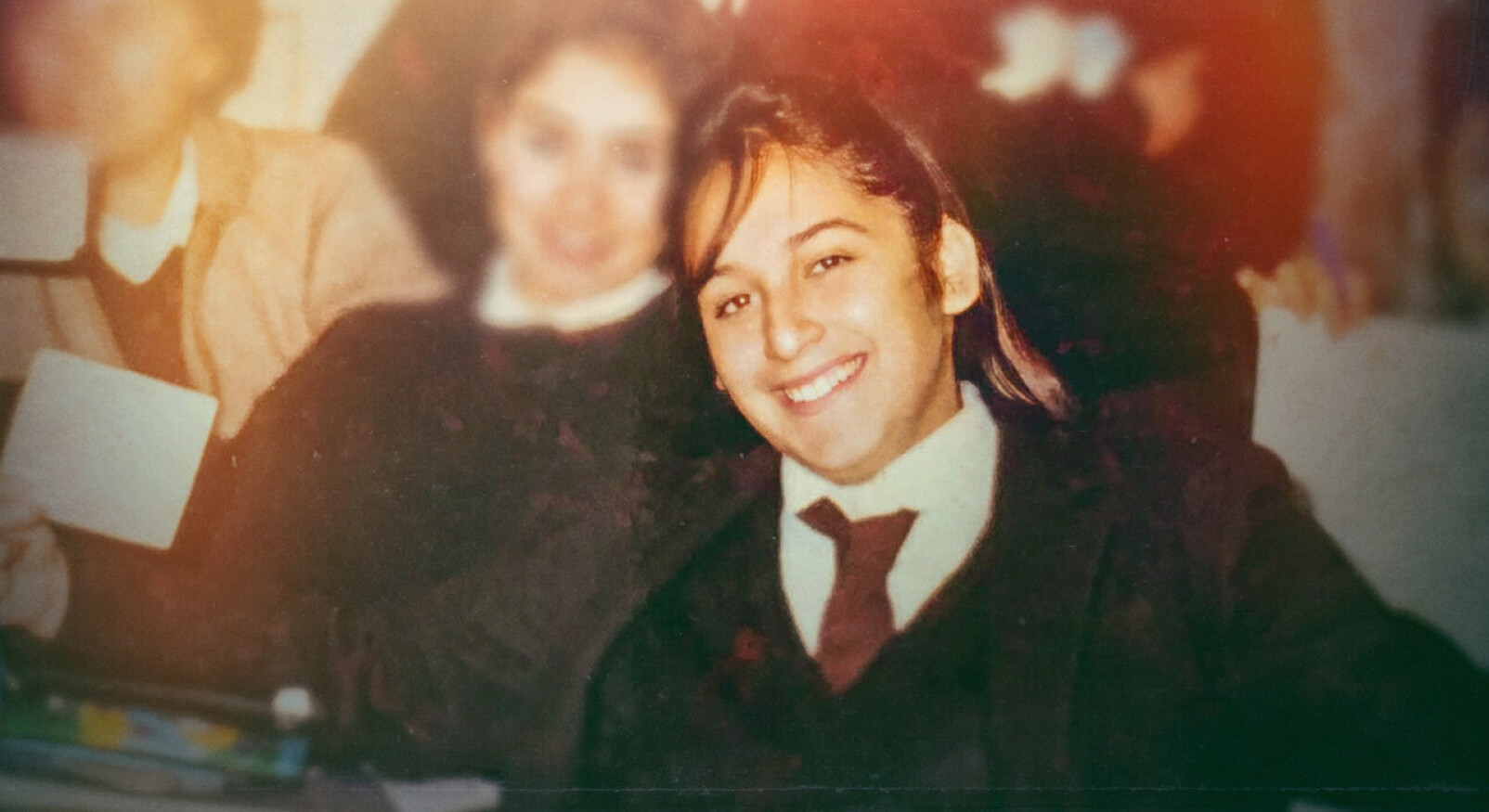
Netflix did it again: there is a new true-crime documentary: ‘Breaking the Silence: The Maria Soledad Case’. And this one really left me speechless. 17-year-old Maria Soledad Morales is murdered in 1990. But because the suspected perpetrators are children of the elite, the case threatens to disappear into oblivion.
The children of power
Maria Soledad Morales was in her last year of high school. With her classmates, she organized a party to raise money for the graduation trip. She was supposed to sleep at a friend's house that night, but she never made it there. Three days later, Maria's mutilated body is found; she has been abused and is barely recognizable. The first suspect: Luis Tula. A 28-year-old man who was said to have had a relationship with her. But he did not act alone. A group of men is said to be involved in the murder, all children of politicians and police officers, also known as ‘the children of power’. And therein lies the big problem: the case is never investigated fairly.
Messy investigation
From the beginning, the process is messy. Real investigation is postponed, and the crime scene is not protected. Maria's classmates and school principal start silent marches to draw attention to the case. No one dares to really talk about it, afraid of the power of the elite. Only after two months does an investigation start. Police chief Miguel Ángel Ferreyra, governor Ramón Saadi, and politician Ángel Luque play important roles in it. But all three had a son or nephew suspected of the murder. Public criticism grows, and the silent marches become larger. Even the president gets involved in the case.
No fair trial
When, after six years, a trial finally takes place, it is also not fair. Witnesses are threatened and retract their statements. The judges seem to want to steer the case clearly. The trial is broadcast live, and the protests grow again. The case has now gained national attention, and people across Argentina take to the streets. The court is replaced, and eight years after the murder, only two suspects are convicted.
First case of femicide
The documentary makers spoke with Maria's friends, parents, and school principal about their fight for justice. The murder of Maria Soledad Morales is seen as the first recognized case of femicide in Argentina and led to a national uprising. In the province of Catamarca, the case brought about political changes. Yet femicide remains a major problem in Argentina.


