


With this travel trend, you can avoid the crowds on vacation
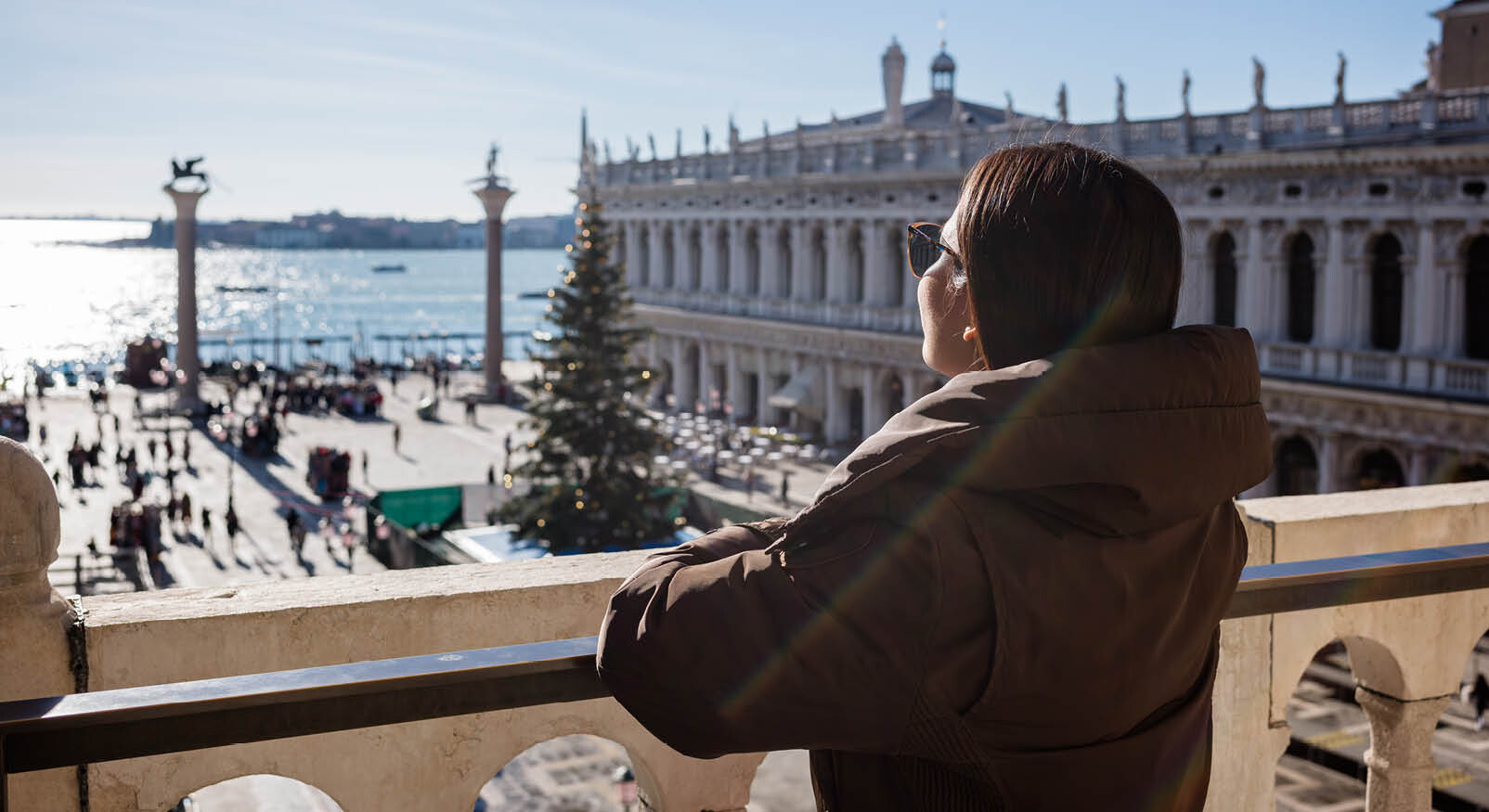
During your vacation, you naturally want to discover the coolest spots. But yes, just because something is a hotspot doesn't mean you will be the only one wanting to go there. You can try to avoid the masses of tourists, but you also don't want to end up somewhere in the middle of nowhere where there's nothing to experience. Fortunately, travel experts have come up with something for this: with the ‘second city’-travel trend you can discover the most beautiful destinations without that mega crowd.
Second city travel
With ‘second city’ travel, you leave the big hotspot of a country for what it is and choose the second most popular city (or maybe even the third or fourth). Instead of going to Rome, for example, you go to Naples or Bologna. It's really about choosing a somewhat less popular or less known place. Of course, you will still encounter other tourists here, but you won't have to deal with the masses of people like in the number one destinations.
A list of advantages
According to travel expert Phil Dengler, the lesser crowd is not the only advantage of ‘second city’ travel. “These cities are often cheaper and offer a more authentic experience. The popular spots have a lot to offer, but they can often feel hollow and fake with tourist attractions on every corner.” Just think of ‘our own’ Amsterdam, where you can find a souvenir shop on almost every street. You can also imagine: the fewer tourists, the more you will see and get to know the local population. “These ‘second city’ travels can provide opportunities to connect with the locals and immerse yourself in the culture, leading to a deeper understanding of the city,” says travel expert Gordon Gurnik. Another advantage: this way of traveling is also a more sustainable choice. According to travel blogger Rocky Trifari, it limits the negative impact on the environment. “The ‘second city’ trend helps reduce the heavy burden on the most visited cities and offers tourists the opportunity to walk a path that is (somewhat) less traveled.”
How to plan the perfect ‘second city’ trip
One downside of ‘second cities’ is that they can sometimes be a bit less accessible, making it take a bit more effort and money to get there. According to Dengler, it is therefore handy to first look at the most populated places within driving distance of the number one cities. “If you do that, you increase the chance that you can fly, which is often cheaper and has better routes than a regional one.” Another reason to choose a city that is somewhat close to the big hotspot is that you then still have the chance to visit all the attractions. After that day trip, you can then return to your quieter spot. Furthermore, according to travel experts, it is useful to thoroughly research your destination. Especially if you are going to a country in Africa or Asia, for example. Here, public transport is sometimes less well organized; it is handy if you know in advance that you need to rent a car. And if no English is spoken at all, you might want to pick up some Duolingo lessons.
Source: Huffpost


