


Bushcraft essentials: the 10 most important skills for every outdoor person
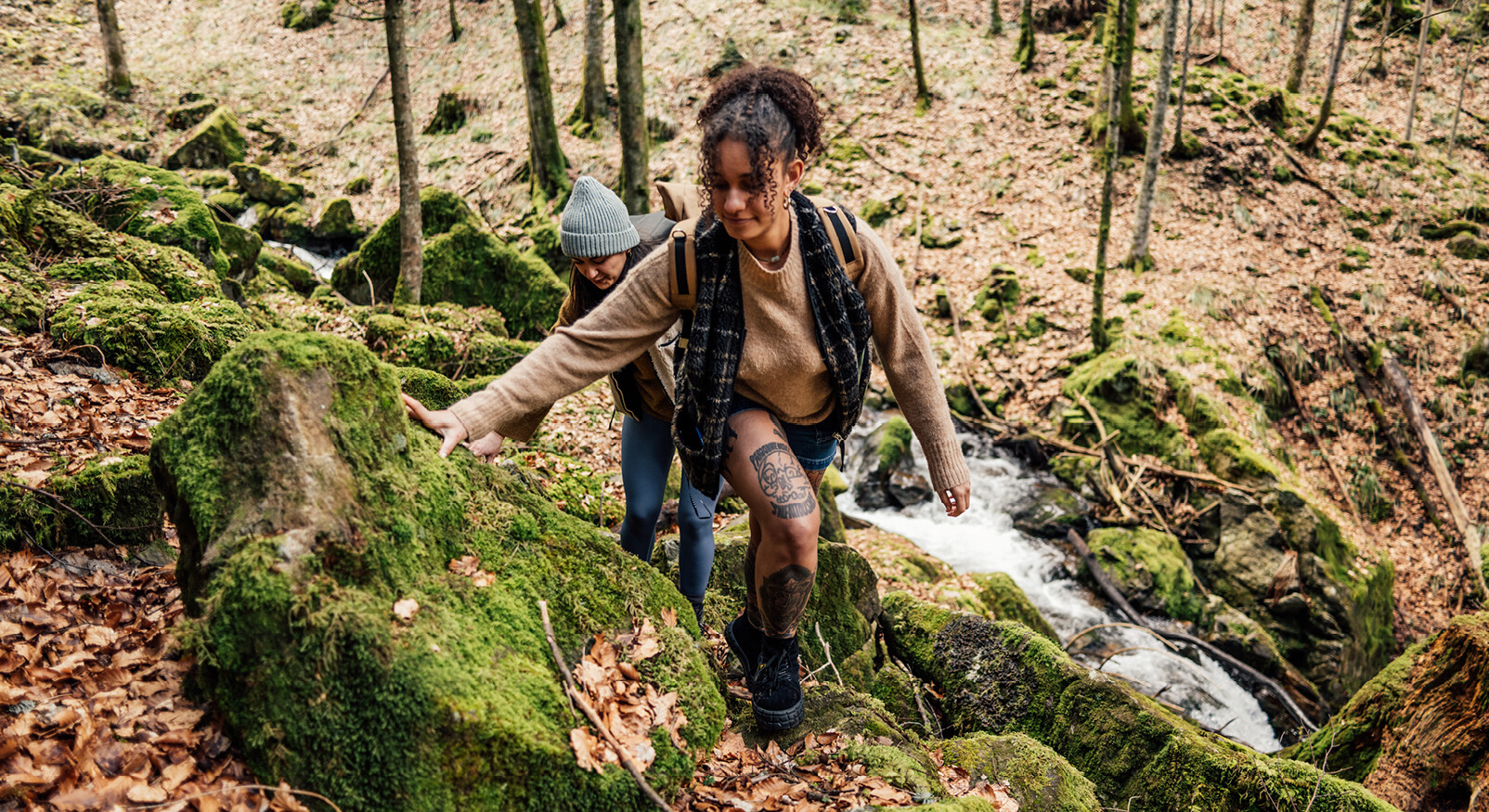
Imagine: you venture into nature with minimal gear. The sun slowly sets behind the trees, the temperature drops, and you realize you must rely on your own skills. How do you provide warmth, shelter, and food? This is what bushcraft is all about: surviving and living in nature using knowledge and technique. In this blog, we discuss the 10 essential skills that every outdoor enthusiast should master.
What is bushcraft?
Bushcraft is more than just survival; it is a way to live in harmony with nature. From making fire to finding food, bushcraft skills help you to be self-sufficient in the wild. Those who delve into bushcraft, not only learn how to make fire and build shelter but also how to truly understand and utilize nature.
The 10 essential bushcraft skills
There are 10 basic skills that every bushcrafter should possess.
1. Making fire without a lighter
One of the most crucial skills in nature is making fire. This can be done with flint, a firesteel, or even friction methods like the bow drill method. Fire provides warmth, light, and the ability to cook food.
2. Finding and purifying water
In nature, drinking water is not always readily available. You need to know how to filter water using an improvised sand filter or purify it using boiling techniques or tablets.
3. Foraging and preparing food
Plants, berries, nuts, and even insects can be edible. Additionally, knowledge of fishing, hunting, and food preparation is essential for long-term stays in the wilderness.
4. Building a shelter
Whether you are in a forest, mountainous area, or open field, a good shelter protects you from the elements. Think of a lean-to made of branches or an insulated hut made of leaves and moss.
5. Navigation without technology
Compass and GPS are handy, but what if you don’t have them? Learning to navigate using the sun, stars, and natural features like tree growth and water flows is essential.
6. Knot and rope techniques
A strong knot can make a difference when building a shelter, hanging a food supply, or improvising a stretcher. The clove hitch, bowline, and fisherman's knot are some basic knots you should know.
7. First aid and safety in nature
A small wound can become a big problem without the right care. Knowledge of first aid, such as treating cuts, fractures, and hypothermia, is vital.
8. Using tools and knives safely
A good knife or axe can be an indispensable tool, but improper use can be dangerous. Learn how to use and maintain tools correctly.
9. Recognizing animals and reading tracks
Being able to read tracks helps not only in hunting but also in avoiding dangerous animals. Pay attention to footprints, droppings, and feeding patterns to understand which animals are nearby.
10. Understanding weather and seasons
Changes in the weather can have a huge impact on your chances of survival. Learn to interpret cloud formations, wind directions, and air pressure differences to be prepared for storms or temperature changes.
Ready for your next adventure?
Bushcraft is more than an emergency skill; it is a way to connect more closely with nature and increase your independence. Mastering these skills not only gives you a sense of self-sufficiency but also a deeper appreciation for the world around you.
By mastering these essential bushcraft skills, you are always prepared for adventures in the wilderness. Whether you are camping for a weekend or spending a longer time in nature, these techniques ensure that you stay safe and comfortable. All you need to do now is get out there and practice!


