


This is how you make the perfect to-do list
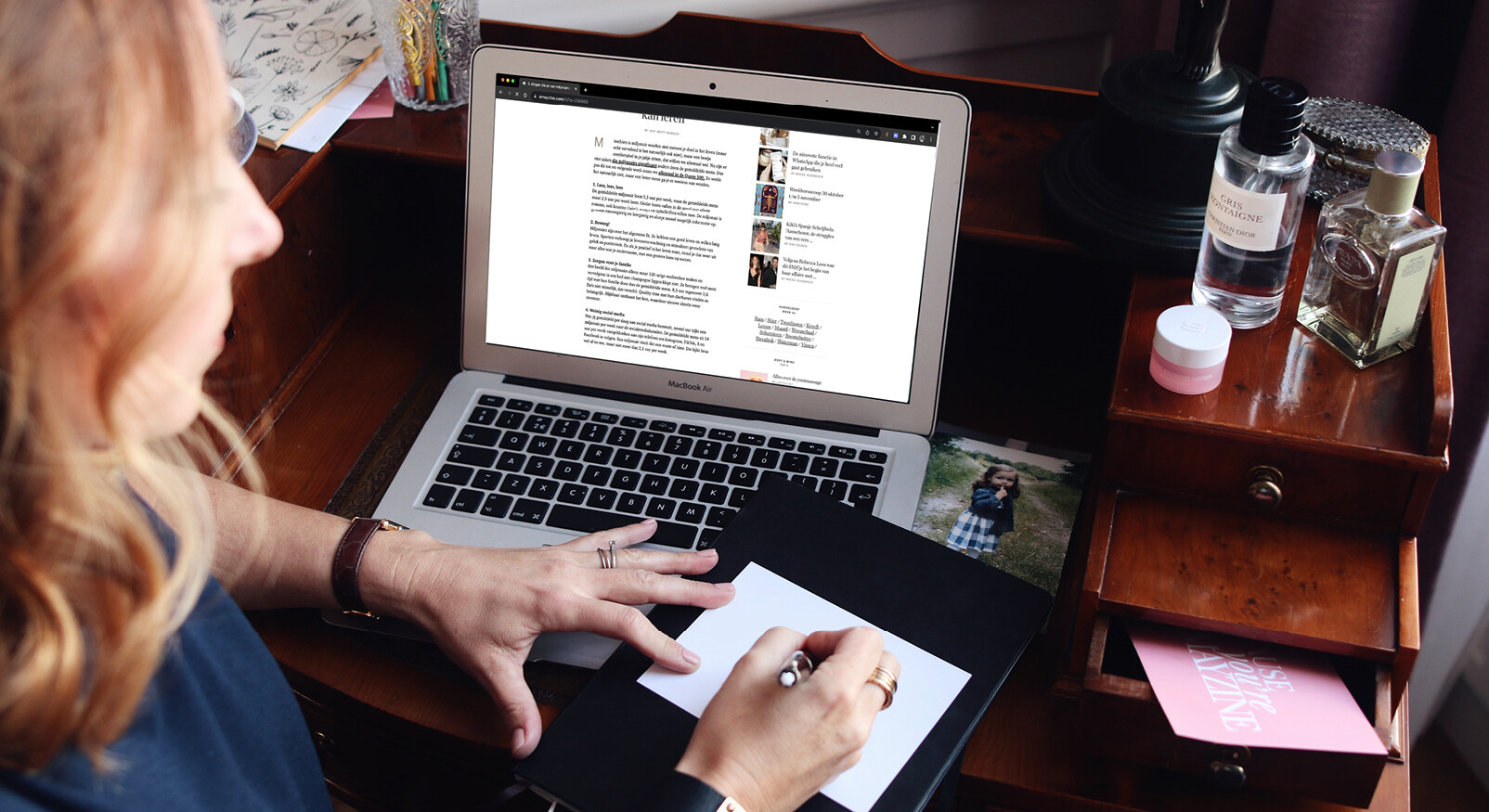
Although it seems very clear, a to-do list is often just one big pile of all your tasks. There often isn't really a structure in how long you've been working on something or which things are the most important. The result: by the end of the day, you've only been able to cross off half your list, and that doesn't really give you that satisfied feeling. But don't panic, entrepreneur Grace Beverley came up with the solution through her company The Productivity Method to actually be productive: stop with the lists and make a to-do table.
A better organization
Now I understand that you might think: making a whole table only takes more work, right? But that's not really the case. It's mainly about bringing a bit more structure to that pile of tasks. According to Grace, you do this by dividing everything into three categories: quick checks, tasks, and projects. The quick checks are the small actions you can complete in about five minutes, like answering an email. Under ‘tasks’ falls everything that takes you between five and thirty minutes. They don't take up your whole day, but you are still working on them a bit longer. Think of preparing a presentation, for example. All the real big to-dos we call projects. Often these are things you can't finish in one day and where you make progress with the quick checks and tasks. By putting these on your daily list, you stay aware of them according to Grace and keep your motivation to keep working on them. Being able to cross off such a big item in the end is of course extra satisfying. To write everything down clearly, you can use a planner , but a regular notebook works just as well. First, write down all your time-bound appointments, like your meetings or deadlines; those are your non-negotiables. This way, you immediately see where you have gaps in your schedule that you can fill. Thirty minutes between two meetings gives you the perfect opportunity to finish a ‘task’ or even check off six quick checks. It might be a bit of a puzzle at first, but this way you can be sure that you fill your time as productively as possible. And being able to cross off a lot is of course wonderful.
A few more tips
To really make the to-do table your own and ensure that you get as much out of your day as possible, there are a few extra tips.
1. Refine your categories
The times that Grace associates with the quick checks and tasks are mainly a guideline. You can adjust these to what fits your job. Maybe a small action takes you a quarter of an hour and a regular task takes you quickly an hour. That's completely okay too. It's mainly about making a distinction in the size of the tasks so that you can distribute them as well as possible throughout your day.
2. Choose your core tasks
A (work)day sometimes goes differently than you planned. An unexpected assignment might come in that throws your schedule off. Therefore, it's good to choose a number of your tasks in advance as your core points. No matter what happens, those actions must be completed that day. If something does come up suddenly, you'll immediately see which things you can push back and which you can't. This way, you can be sure that your real must-dos get done and the day feels like a success regardless.
3. Pay attention to your energy
Some people are immediately on as soon as they get out of bed, while others need a bit more time to get started. By determining for yourself which of the two groups you belong to, you can organize your to-do table as smartly as possible. Are you a real morning person? Then it's actually good to plan your larger or more difficult tasks early in the day. Do you only become truly productive later? Then you might be better off planning your quick checks in the morning so that you're fully engaged for the larger tasks.
4. Keep checking your table
Especially at the beginning, it might be difficult to organize the table perfectly. You can't always accurately estimate how long you really need for something. But the longer you work this way, the better you can categorize your different tasks and the better you know how full you can plan everything. Therefore, it's good to regularly take a look at how you make your table. You might notice that after a meeting you don't immediately want to plan something new, but that a break is actually nicer. Bit by bit, you'll eventually arrive at that perfect planning.
5. Be a little kind to yourself
Of course, you'd love to check off the entire table every time, but there are days when it just doesn't work out as well. Maybe you've only been able to do your core tasks once and had to push some things back; and that's okay too. You just take the other tasks with you to the next table, tomorrow is another day.
Source: The Everygirl


