


Why you shouldn't miss the Netflix documentary Cocaine Air
That true-crime documentaries tell bizarre stories is long gone. But some series really could just as well have been a Hollywood film; such as ‘Cocaine Air’. Two French pilots suspected of a mega drug smuggling operation, one big escape attempt and even a former president getting involved. We tell you all about this bizarre case.
Arrest on the runway: this is how Cocaine Air's story began
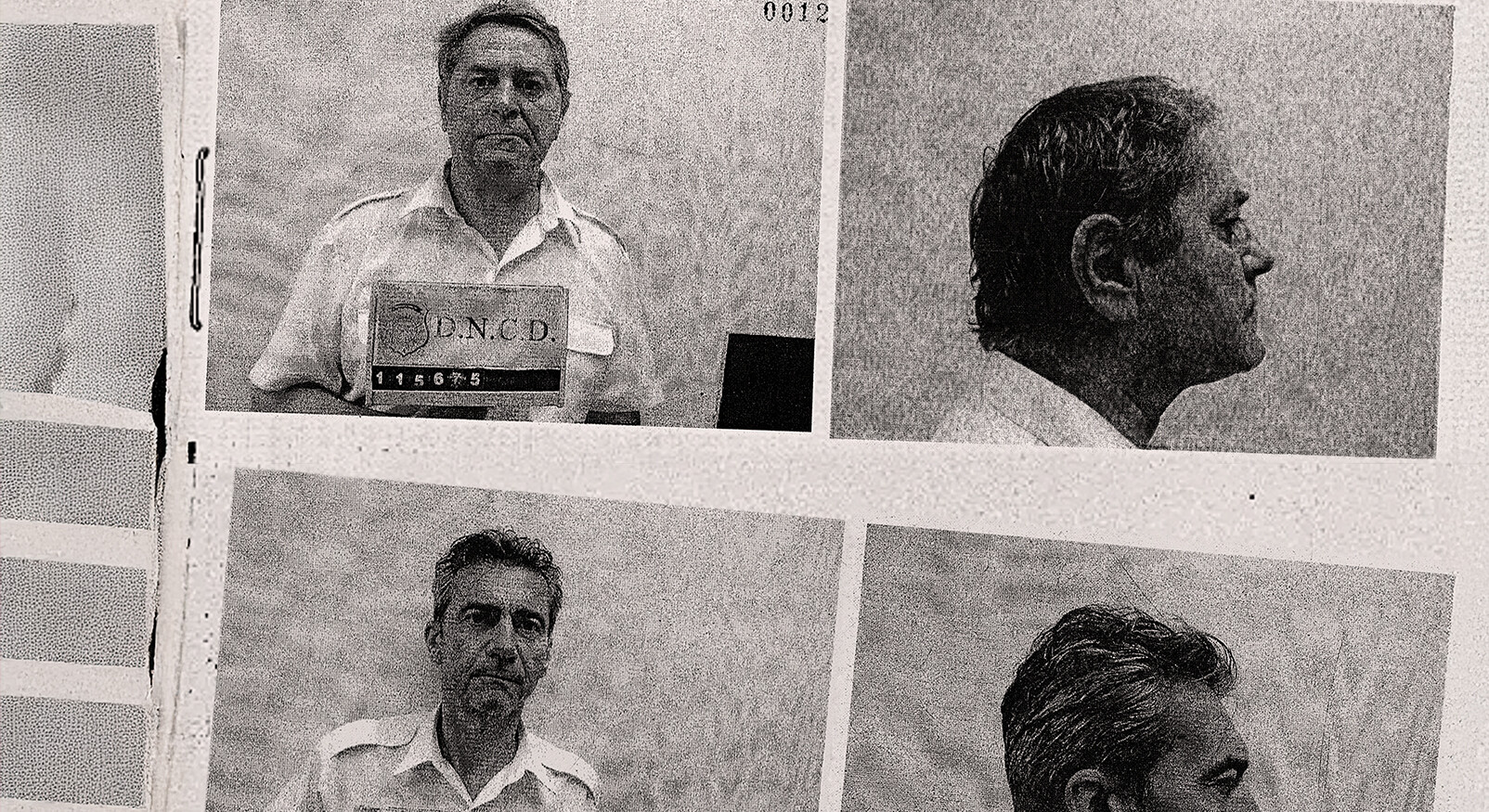
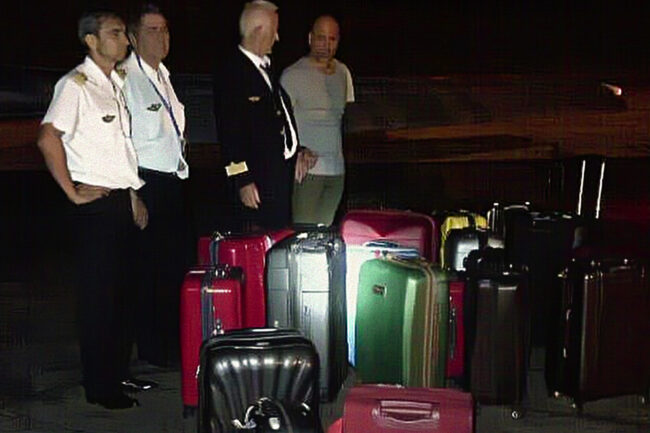
It is 20 March 2013 as French pilots Pascal Fauret and Bruno Odos are about to fly from the Dominican Republic back to France. But just before the private jet is about to take off, heavily armed cops stop it from leaving. Fauret, Odos, their backup pilot Alain Castany and passenger Nicolas Pisapia are all detained. In fact, 26 suitcases full of cocaine are found on the plane; a total of almost 700 kilos, worth around 35 million euros. All four occupants claim to be innocent and to know nothing about the contents of the luggage. In their homeland, the pilots can count on a lot of support. Because of their past in the military, they are seen as heroes; surely veterans would never do such a thing? In the Dominican Republic, however, they think differently. The men end up in a dirty and especially life-threatening prison, and after a short trial are sentenced to 20 years in prison. The Frenchmen do not simply accept this decision; they appeal. They are allowed to await this new trial outside prison, under strict house arrest, but there are still opportunities there.
How the pilots tried to escape from Cocaine Air
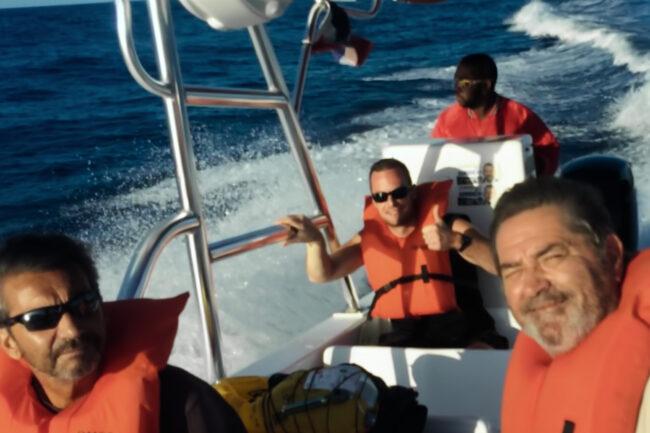
That the two pilots had a military past not only provided a lot of support, but also gave them an opportunity to escape. Indeed, when their story hit the media, Fauret was recognised by Christophe Naudin, an expert in aviation security. He enlisted the help of former MEP Aymeric Chauprade and former soldier Pierre Malinkowski, and together they devised an escape plan. Fauret and Odos saw no other way out and, despite all the risks, agreed to the escape attempt anyway. As if escaping from the Dominican Republic was not hard enough anyway, Naudin and Malinkowski in particular did not exactly get along now. Their ideas about the perfect plan were somewhat apart, which further complicated the whole situation. Despite all the disagreements, the group managed to flee the country via boats. But once back in France, the reception was a little less pleasant than hoped for.
Back in chains again: Cocaine Air pilots had nowhere to go
The pilots may have been heroes to the French people, but the judiciary thought otherwise. Investigating judge Christine Saunier Ruellan had been looking into the case all along, and was not yet so sure that Fauret and Odos were innocent. The two were arrested again, and detained pending trial. Meanwhile, the investigation continued and Ruellan discovered that the crew of the private jet had already made two previous flights; again under suspicious circumstances. The investigating judge is determined to find out everything in detail. She even goes so far as to have former French president Nicolas Sarkozy's phone tapped; he had previously flown with the same airline and so might know more. At least one thing is becoming clear: the smuggling involved quite a network. In 2019, after a lengthy trial, Fauret and Odos were sentenced to six years in prison for their involvement in drug trafficking.
Where are Cocaine Air's pilots now?
The conviction did not mark the end of the case. In 2021, an anonymous person claimed that the two pilots had been defrauded and therefore did not knowingly get into the drug deal. The investigation was reviewed and this time Fauret and Odos were acquitted. Their lawyers' main argument: the pilots are not responsible for the contents of the luggage, that lies with customs. So the danger is now over in France, but not in the Dominican Republic. If the pilots ever get there, they will be detained again; and that includes Malinkowski, Chauprade and Naudin. That's not all: the country has also issued international arrest warrants. Should the men end up in a country that has these agreements with the Dominican Republic, they will also be in deep trouble. Therefore, there seems to be nothing left but to live a quiet life in France. In any case, the pilots have not flown since 2013.
Is this really the whole story?
The makers of the documentary make one thing clear right at the beginning of their docu-series: yes, all the facts have been checked, but it may be that one of the interviewees is still withholding the truth. All the key players on the case collaborated on the documentary; some just more extensively than others. Fauret and Odos seem to be open-minded, yet their story remains somewhat hazy. Castany thought it was enough after two interviews and withdrew, so whether he told everything we will never know. Pisapia then continued to cooperate, but his ‘I don't want to or can't say anything about that’ answers don't help us much either. Even after months in the case to have dipped, directors Olivier Bouchara and Jérôme Pierrat are left with questions. “Sometimes we were filming a scene and looked at each other and thought: Wait a minute, maybe they knew. Maybe they were there. Other times we stumbled upon a detail that made us doubt everything again.” For them, the goal was also not for viewers to pinpoint one culprit, they mainly wanted to make them think. That certainly succeeded.
‘Cocaine Air’ is now available to watch on Netflix.
Image: Netflix France


