


The bookshelf of Harry Styles and Zoë Kravitz
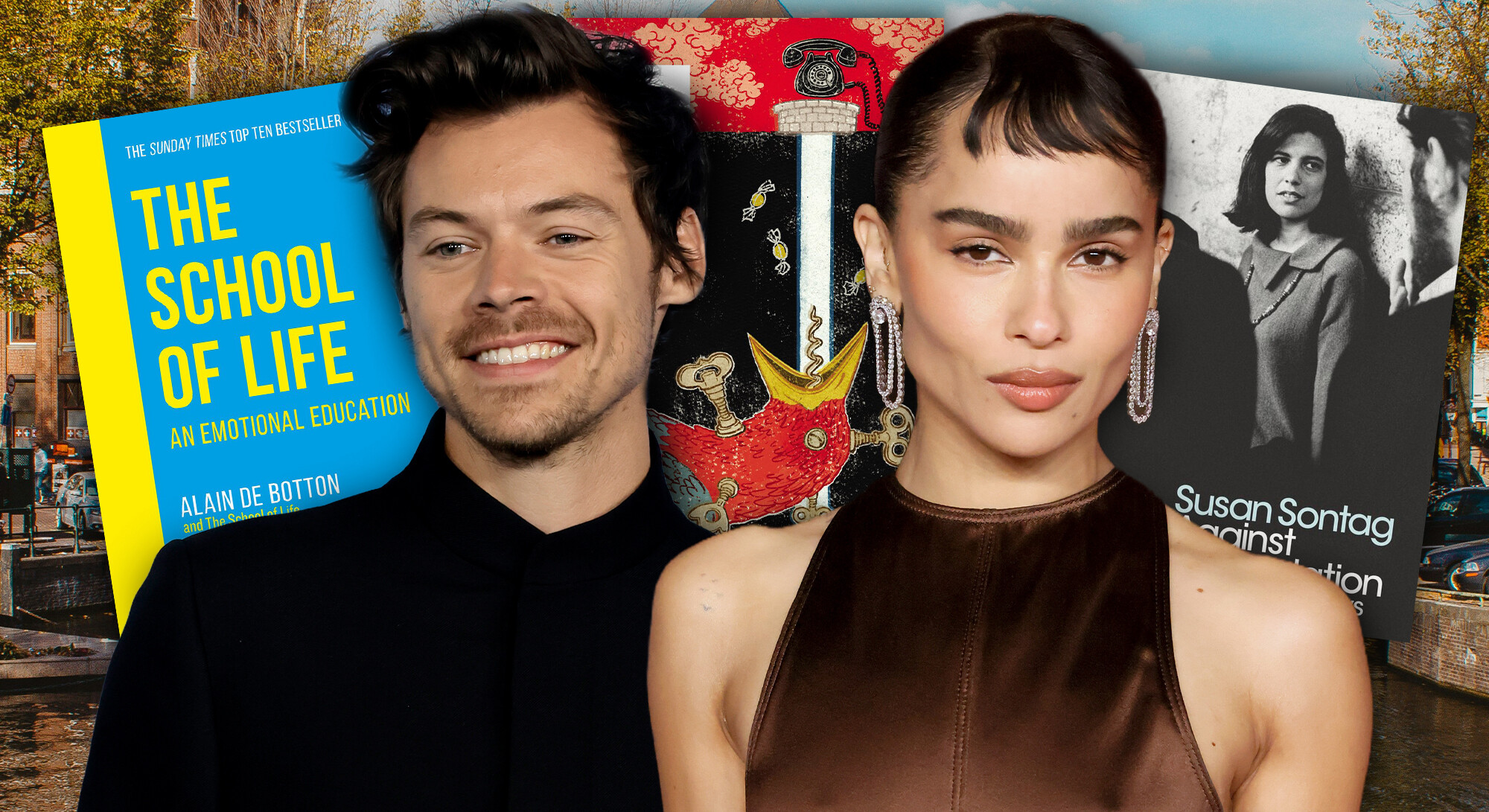
Susan Sontag, Murakami, Alain de Botton and the philosophy of emptiness. Harry Styles does not read for light-hearted enjoyment. And his girlfriend Zoë is also not the type of Suzanne Vermeer.
Harry Styles’ nightstand and his literary preferences
It started with a display window. The American Book Center on the Spui recently stacked a selection that at first glance seemed to have little in common: Japanese literature, philosophical essays, beat poetry, a thin book about architecture. But there was a connection, and that was Harry Styles. He had read them all, reread them, and cherished them.
That Styles reads, and not superficially, has been no secret for years to those who look beyond the colored nails and Gucci suits. In interviews, he juggles titles and author names, and in photos, he has been spotted for years with books under his arm that you wouldn't expect from most rock stars. All those titles were collected by the American Book Center during his Amsterdam tour because it was not just a bookshelf, but a bookshelf that had something to say.
The intellectual depth of Styles
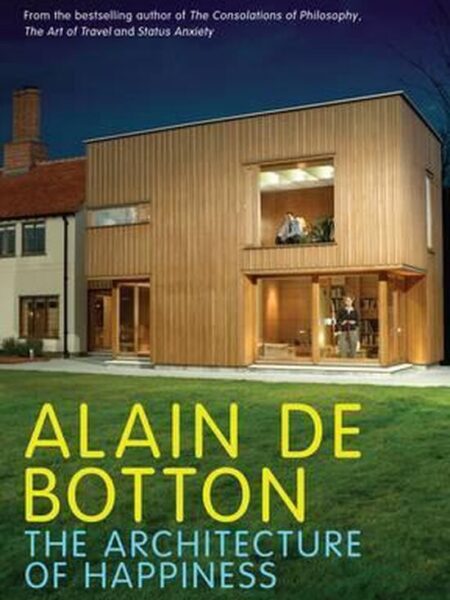
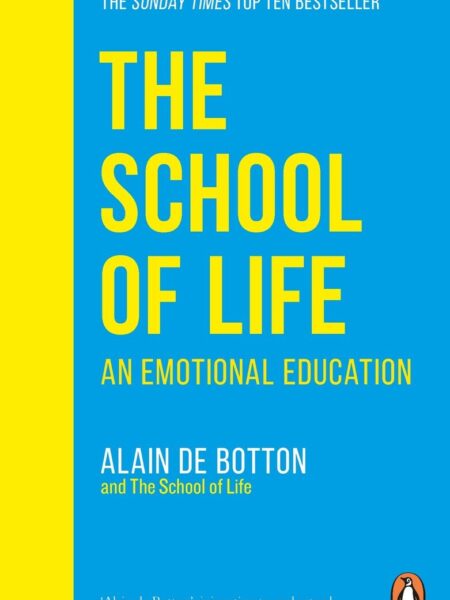
What Styles reads has, although you might not think so at first glance, certainly a pattern. He seeks meaning and intellectual nourishment, not a self-help book filled with clichés. So he reads Alain de Botton, the British philosopher who articulates existential unrest with literary elegance. Styles met De Botton during his One Direction years and has since spoken about him in several interviews. About The Architecture of Happiness he said that there is a chapter in it about the idea that emptiness is more important than fullness, and that many things, especially in the home, are incredibly distracting. Not the kind of observation you expect from someone who just sold out a stadium, or in the case of Amsterdam, almost sold out.
The Sontag connection and the Met Gala
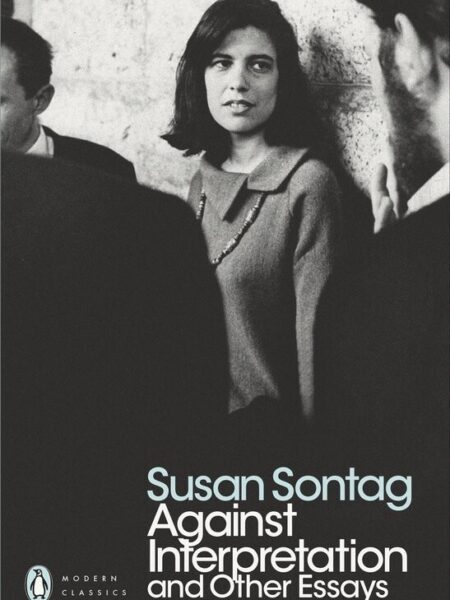
The Sontag connection is in turn telling for those who remember what the Met Gala of 2019 looked like. Styles co-hosted that evening together with Lady Gaga. The theme was camp, directly derived from Susan Sontag's essay Notes on Camp from 1964. Sontag described camp as a sensibility characterized by extravagance, irony, and theatricality, and anyone who saw Styles walk in that evening in a sheer Gucci blouse with feathers understands that he had not only read the essay but understood it. He was also regularly spotted with her collection Against Interpretation, which firmly places him in the camp of people who read essays for pleasure.
Murakami and the personal celebration of Harry
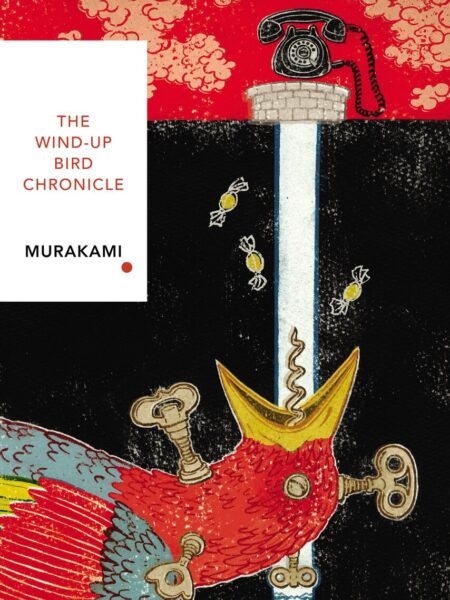
For Murakami, you need less speculation. Styles outright named him his favorite author in an interview with Timothée Chalamet for i-D magazine and spent his 25th birthday alone in a café in Tokyo with tea and The Wind-Up Bird Chronicle. It is the kind of birthday celebration that comes across as very lonely, but also seems like the ultimate form of meaning. I think it was a bit of both for Harry.
Zoë Kravitz and her own literary preferences
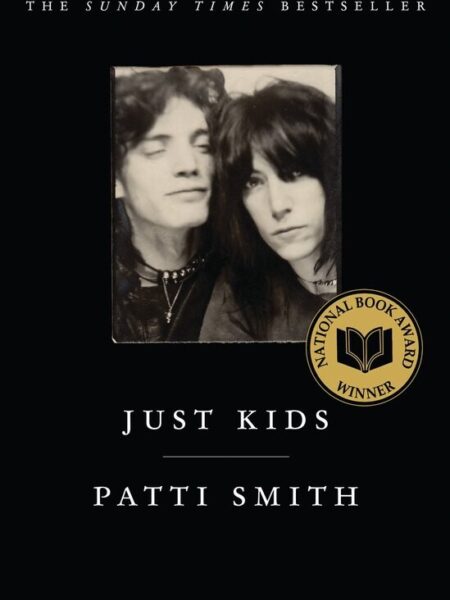
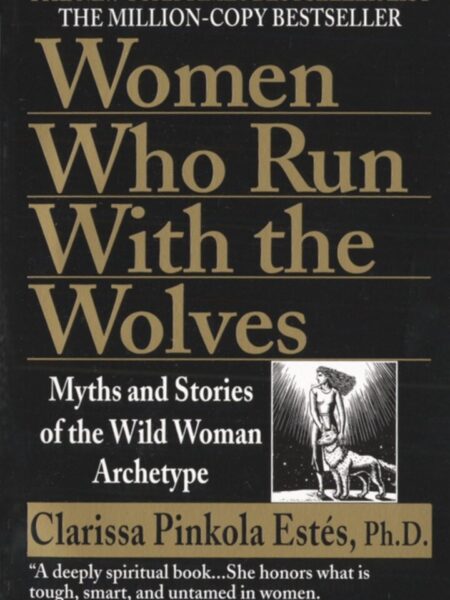
I called the American Book Center to ask which books they were showcasing on behalf of Harry, and Patti Smith was also among them. And although Smith is not on Styles’ confirmed reading list as far as I could research, she is at the top of Zoë Kravitz's, his girlfriend. Kravitz mentioned Just Kids, Patti Smith's memoir about her young years with Robert Mapplethorpe in New York, as one of her dearest books. She described Smith's writing style as romantic and inspiring and said that the book makes her happy every time because she herself lives in New York. Kravitz is also linked to Women Who Run With the Wolves by Clarissa Pinkola Estés and the novels of J.D. Salinger, The Catcher in the Rye and Franny and Zooey in particular. By the way, there are more things that Harry and Zoë both like, read here.
What the reading lists of Harry and Zoë reveal
It is tempting to place the reading lists of two people side by side and draw some conclusions. Both Harry and Zoë are looking for something real. Not entertainment as distraction, but literature as a mirror. Smith, Sontag, Murakami, De Botton. They are not Suzanne Vermeers, I might say, but books that shape and mold you into an even better version of yourself. And I find Harry and Zoë even more likable now, and that's impressive, because they were already high on my list.


