


Why dermatologists are massively choosing this simple cream
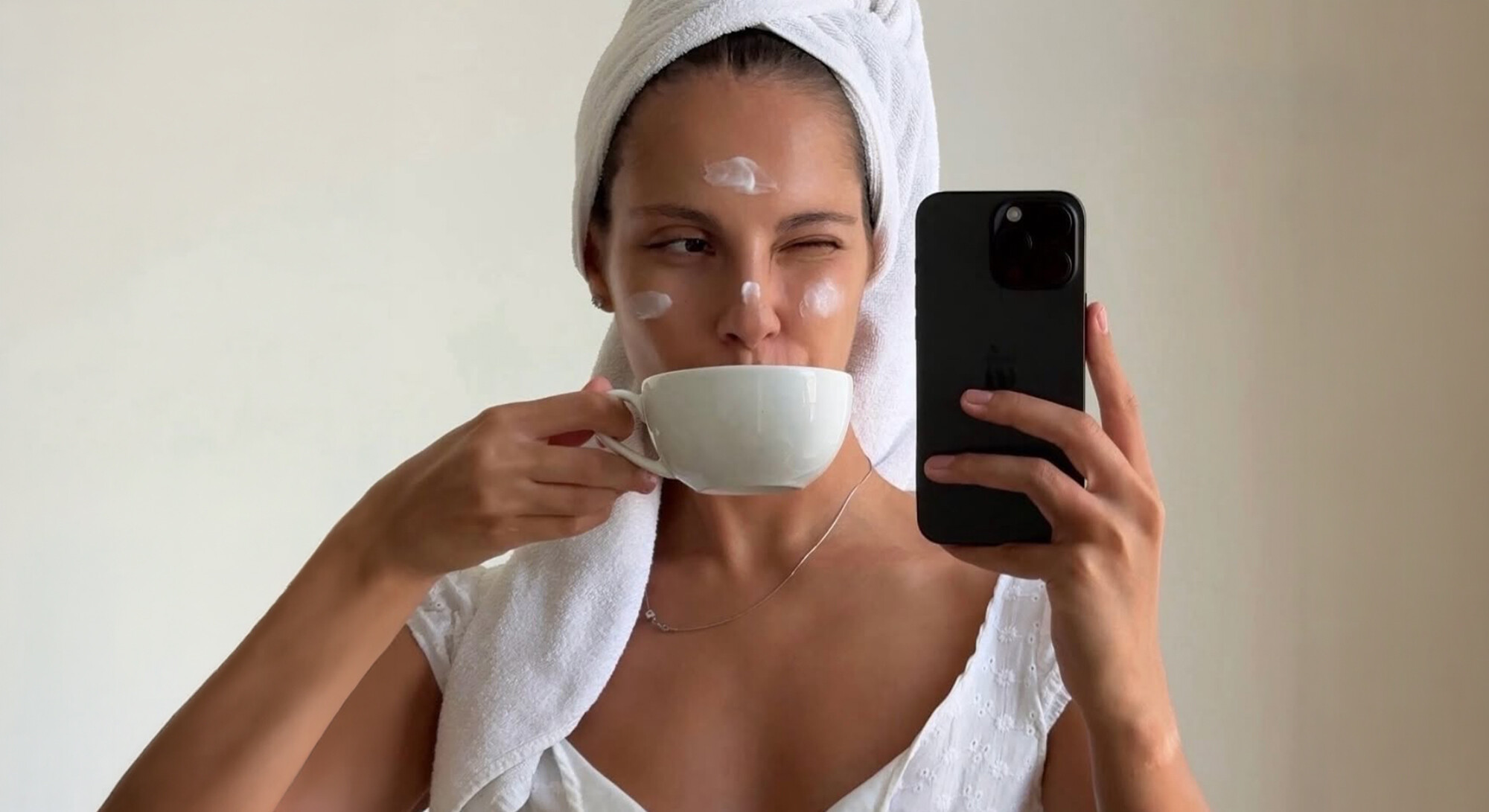
Dermatologists look at skin care very differently. They see daily what a skin needs and what goes wrong due to an excess of complicated ingredient lists or, for example, due to perfume. Now, a dermatologist is also much more focused on maintaining healthy skin and less on skin aging. Dermatologists therefore advise: just keep it nice and simple.
Because a healthy skin barrier is much more important than a cream that makes multiple promises at once.
Why dermatologists overwhelmingly choose this simple cream: the ingredients are important
The secret lies in the ingredients. These are the substances that dermatologists often pay attention to:
- Ceramides, which restore the skin barrier.
- Glycerin, which attracts and retains moisture.
- Niacinamide, which reduces redness and calms the skin.
- Petrolatum, which prevents moisture loss.
- Hyaluronic acid, which makes the skin appear fuller by attracting moisture.
- Retinol or tretinoin, vitamin A variants that can help with fine lines, pigmentation spots, and collagen production. Tretinoin is the more powerful variant and (unfortunately) only available by prescription.
A small note: retinol and tretinoin do not necessarily belong in your daily simple cream, but are often used separately in the evening routine. So see it as the serious plus-one on top of your basic care.
Do you see these ingredients high on the ingredient list? Then you probably already have an excellent cream.

What are you actually paying for with a more expensive cream?
Okay, maybe we are all a bit sensitive to marketing.. A heavy glass jar feels more luxurious than a simple tube, but a higher price does not automatically say anything about the effectiveness.
On the other hand, with many premium brands, you are also paying for years of product development, patented technologies, and extensive research into the stability and absorption of active ingredients. It is precisely in this that luxury brands can distinguish themselves.
Dermatologists therefore usually do not look at the price tag first, but at the ingredient list and the scientific evidence behind it. Whether a cream costs thirty or three hundred euros: in the end, it is about whether the formula suits your skin and contains proven effective ingredients.
And one more thing: ingredients like retinol and vitamin C remain most stable when they are well packaged. That is why many brands (from affordable to luxury) are increasingly opting for a closed pump bottle or tube instead of an open jar.
What do dermatologists actually apply?
Although everyone has personal favorites, the same names come back surprisingly often. We all know that aging skin can use more active care, but not everyone wants that.
Think of simple moisturizers with a short ingredient list, many hydrating components, and without unnecessary additives. Not sexy perhaps, but effective.
When it comes to skin rejuvenation, there is actually only one ingredient that dermatologists are almost unanimously enthusiastic about: vitamin A. For home use, retinol is the most well-known variant. It is no coincidence that it has been one of the best-researched ingredients in skin care for years.
And anyone who thinks that dermatologists open a cabinet full of jars every evening is mistaken. Many dermatologists keep their routine surprisingly straightforward:
- A mild cleanser.
- A moisturizing cream.
- Possibly retinol in the evening.
- And always sunscreen during the day (yes, even in winter).
Often, it doesn't need to be more than that.

Why do dermatologists overwhelmingly choose this simple cream? Because SPF is ultimately the most important.
Ask a dermatologist for the best facial cream and the chances are high that you will get this answer.
No ridiculously expensive serum. But sunscreen.
Because the biggest cause of skin aging is not aging itself, but years of unprotected exposure to UVA and UVB radiation. Pigmentation spots, collagen loss, and fine lines arise largely due to the sun. That is why dermatologists often apply SPF every day, so yes, even when it is cloudy.
And only then do they look at extras like retinol or antioxidants.
The biggest beauty lesson?
With aging skin, it is certainly necessary to look at higher percentages of active ingredients. But until then, a simple and good cream suffices. Because, if you ask dermatologists what they choose for themselves, the same message keeps coming back: keep it calm.
So, if you're still young, it's better to invest in a good basic cream, a proven ingredient like retinol and a sunscreen that you actually use every day.
These brands are notably often mentioned by dermatologists
Although every dermatologist has their personal favorites, there are a number of brands that keep coming back worldwide. These focus on a healthy skin barrier and proven effective ingredients:
- La Roche-Posay Cicaplast Baume B5+: this is a true all-rounder for everyone, young and old, for dry, irritated, or damaged skin. Contains among other things panthenol and madecassoside to support the skin barrier.
- CeraVe Moisturising Cream: rich in ceramides and hyaluronic acid and therefore truly a favorite for dry and sensitive skin.
- Avène Cicalfate+ Crème: soothes and supports the recovery of the skin, ideal after irritation or a damaged skin barrier.
- Cetaphil Moisturizing Cream: a delightful and simple, fragrance-free moisturizer that intensely hydrates without unnecessary additives. Perfect for all ages.
- Eucerin UreaRepair PLUS 5% Urea: this is a recommendation for very dry skin thanks to the combination of urea and moisturizing ingredients. Perfect for winter.
Why do dermatologists overwhelmingly choose these simple creams? Look at the ingredients, the quality of the formulation, and whether there is solid scientific research behind it. A good cream doesn't have to be expensive, but a higher price can sometimes be justified by years of research and innovative product development. If you have aging skin, then active ingredients are indeed skin-improving.
External source: American Academy of Dermatology


