


Huh? Does screen time before bed actually help with a good night's sleep?
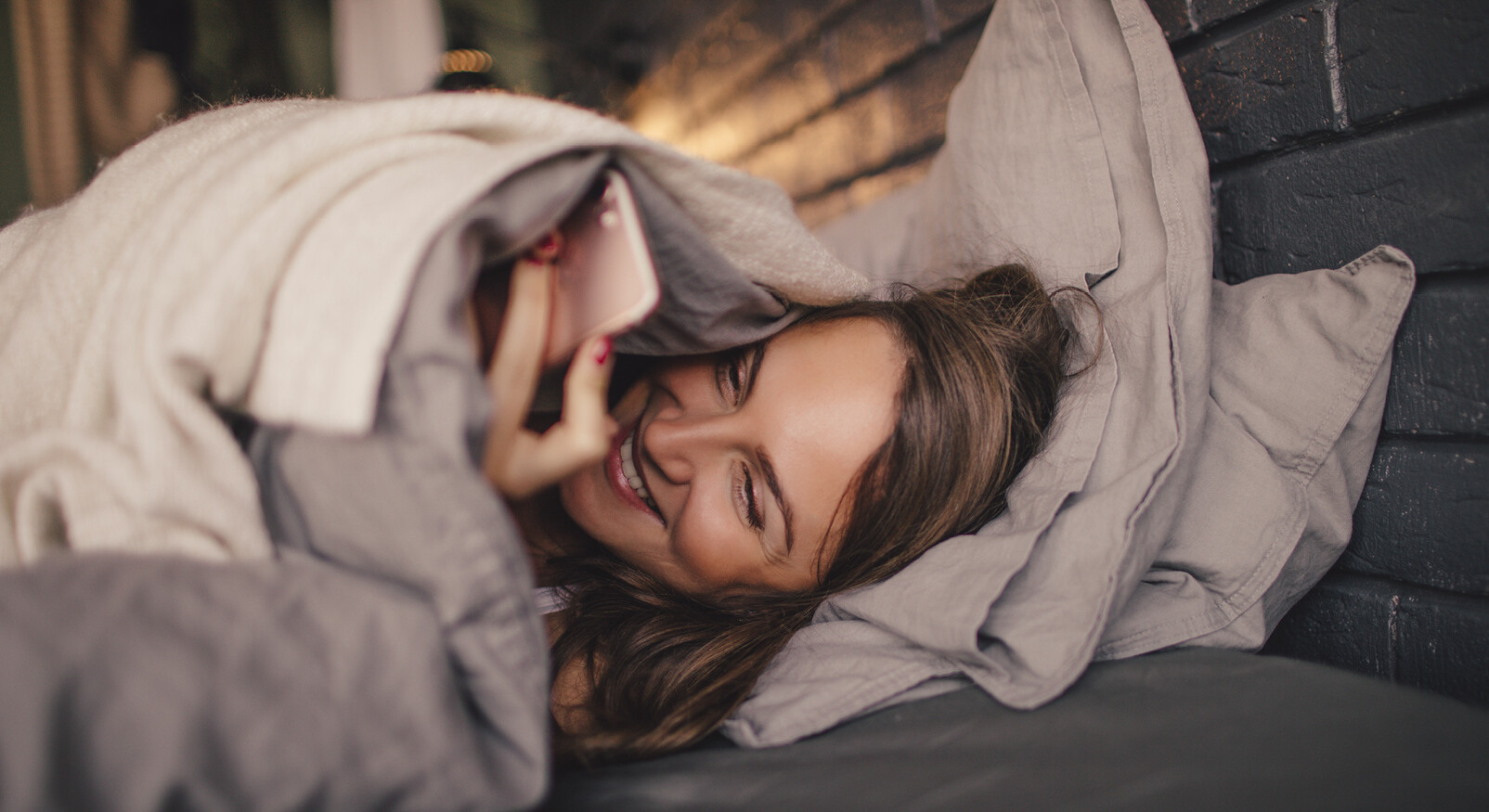
To be honest, I haven't had a peaceful night since the arrival of TikTok. Due to a lack of stimuli (read: the spring of 2020), I decided to download the app to see what others were up to. It did create a sort of connection. A few blinks later, we are suddenly almost four (!) years and undoubtedly millions of videos further, and I genuinely wonder how we haven't all gone completely crazy. TikTok is the place where all stimuli come together, and within a minute you can go from laughing at a video of someone capturing their brother falling off a chair to crying because you see that someone's dog, missing for weeks, has finally come back. And I keep wondering where those mood swings and bizarre dreams come from. However, recent research shows that a screen in front of your nose is not harmful to your sleep at all; on the contrary, it can actually improve your sleep quality. How is that?
A good night's sleep is related to how well you enter your REM sleep. This is a deep sleep that is crucial for emotional processing and mental recovery. Studies suggest that watching fun videos or familiar series before going to bed can contribute to an increase in that REM sleep.
This is all related to relaxation and stress reduction. Creating a positive association with enjoyable content can help with winding down before bed, thereby improving sleep quality. This is especially true if the content is experienced as reassuring and familiar. That's why it's so good for you to rewatch your favorite series over and over again.
The key to combining screen time with a good night's sleep lies primarily in what you watch. So try to avoid intense content that involves a lot of emotion and opt for cozy series, calming nature videos, or ASMR content. As long as it is familiar, light-hearted, and soothing. Want to optimize your phone hour(s) before bed even more? Then try applying the following tips.
Dim the screen
Reduce blue light by setting your phone to night mode or turning on the blue light filter a few hours before bed. Blue light glasses can also reduce exposure to blue light. Not very sexy, but effective.
Set a bedtime for your screens
If you have trouble reducing screen time, set time limits in your settings to turn off apps at night. Gradually move the time forward until you notice a positive change in sleep quality, because before you know it, you're still watching ’get ready with me's’ at two in the morning from an influencer in Sweden that you can't even understand.
Turn off notifications
The do not disturb mode is your best friend. And also the reason why people can never reach me, but that's a story for another time. Use your screen time for yourself and make sure you can relax without distractions.
Source: Self


