


This is the Chinese secret for long, shiny, and healthy hair

Most likely, you washed your hair without thinking too much about it: shampoo, rinse, conditioner, rinse, maybe an occasional hair mask. Did you know that the way you wash your hair has a significant impact on the health of your hair and scalp? The Chinese beauty standard for hair mainly revolves around healthy, long, and shiny hair. The hair care methods that are used in Chinese head spas focus not only on how the hair looks but also on how you care for your scalp and hair. There are various techniques you can add to your hair care routine, and we’ve listed them for you.
Dry Brushing
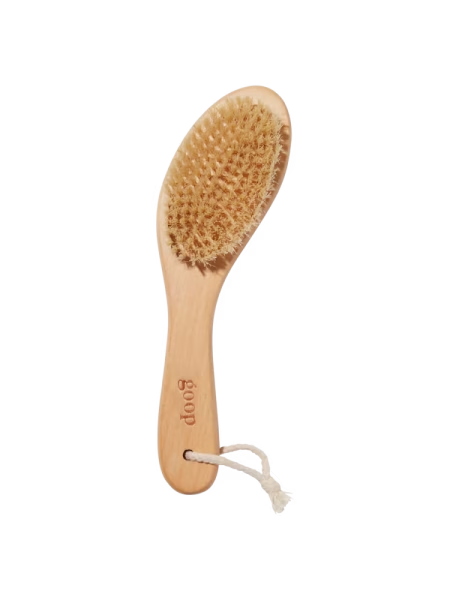
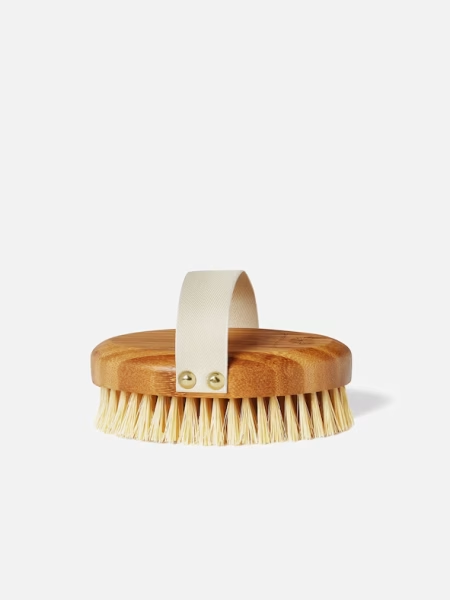
A comprehensive routine starts, of course, before washing your hair. Dry brushing is a technique that is not exclusively Chinese but is used in Chinese hair care to prepare the scalp and hair for washing. The brush, usually made of horse or pig hair, is used on dry hair. Dry brushing stimulates blood circulation, which may contribute to hair growth. You also remove tangles and loosen flakes before washing.
Lukewarm water
It may seem like a logical step, but it is sometimes claimed that cold water is better. Cold water is not necessarily bad for your hair, but it is less effective at loosening sebum and product residues. Hot water should also be avoided, as it can irritate and dry out the scalp. Therefore, lukewarm water is the way to go.
2x washing
Washing twice with shampoo is also a well-known method in China for thoroughly cleansing the hair. The first wash removes excess sebum and product residues, while the second wash further cleanses the scalp. Especially if you use products on your scalp like dry shampoo or volumizing spray, this step is important because washing once usually does not remove those product residues well enough.
Rice water
Rice water is perhaps one of the biggest natural hair care secrets from China. The water left over after cooking rice has been used for centuries as a hair rinse. It is said to make hair shinier and softer. Research on rice products also shows promising results for hair growth. A review in the Journal of Drugs in Dermatology found evidence that rice bran extracts can influence processes involved in the hair growth cycle.
Chinese herbs
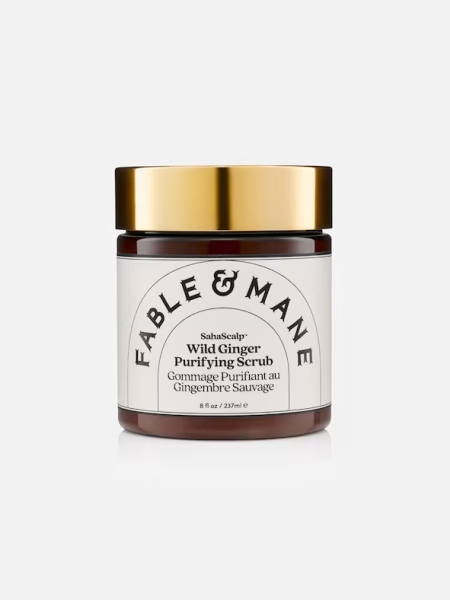
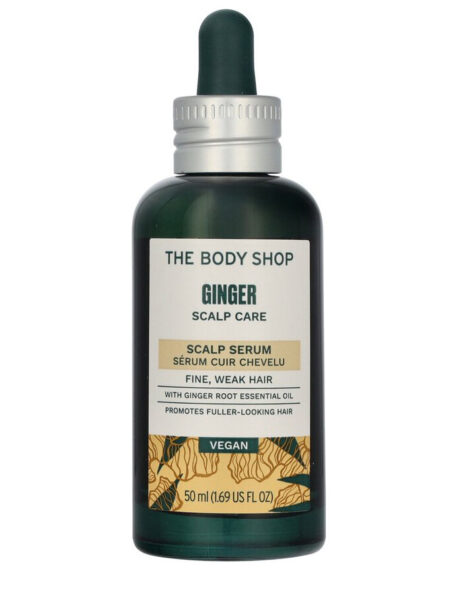
Just like in Traditional Chinese Medicine, herbs play a significant role in Chinese hair care. Especially ginger and ginseng are used in tonics, oils, and conditioners. These ingredients are associated with strengthening hair and reducing hair loss in traditional hair care.
Steam
The best way to allow hair treatments to penetrate well is to sit in steam for a few minutes. In Chinese and Japanese head spas, a water halo is often used to rinse, which is a curved device placed around the head, from which soft, warm water flows over the scalp from different sides.
Source: Vogue


