


Did you still get stressed from your work
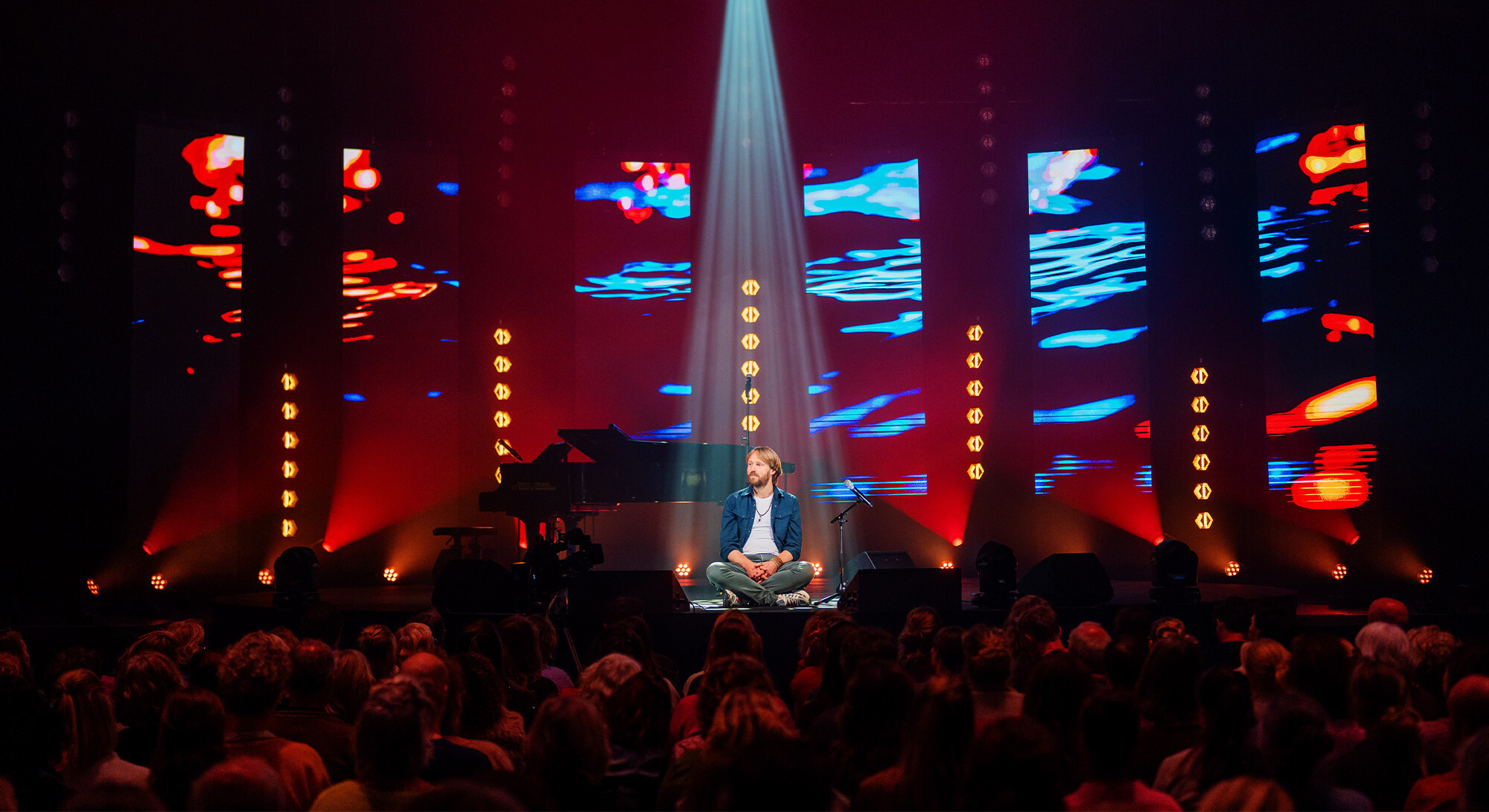
Am I old enough to shout ‘it was better back then’? Too bad, I'm doing it anyway: it was better back then. Back then, to make it clear what this is about, you simply got stress from your job. Super handy, stress from your job, because then you can endlessly blame your employer who just won't behave normally and keeps pushing new tasks onto your plate, or that weird client who keeps making more ridiculous demands, or those emails that come in at 11 PM because Gijsbert from administration is still updating something in Excel. We all understand work stress a bit, it's even normal, whether we like it or not. How's your new job? Yeah, nice, but it's busy. Busy busy busy. And everyone smiles at you because they know: you're doing well.
But I already said, that was back then. Because back then you got stress from your job. Nothing fun about that, of course, stress, but it was clear-cut: there was a cause (work), there was a solution (something with different work or doing your work differently), and there was someone who could help you with that (occupational physicians and trusted persons and nice people from HR). But let's move the clock with me to today. Who still gets stress from work?
I remember when I just started working for myself, I received all kinds of well-meaning advice about the so-called work-life balance: don't work too much, that mainly meant, because work costs energy and that energy needs to be recharged in the other half of the ‘balance’. I remember thinking that was strange (because why isn't work a life and why can't work provide energy?) but in recent years I've found that whole balance even stranger.
Most people actually don't get stress from their work anymore, but from everything around it. Big societal issues push stress on you all day long, because housing is expensive and war is close and AI is taking over, but especially it seems that a whole new battlefield has emerged in recent years, which we are all influenced by in a certain sense: the war within ourselves, between who we are and who we think we should be. That's where you really get stress from.
Back then, personal development was something related to your job. Learning a bit about leadership or communication and boom, you became a manager somewhere. There was a sort of unwritten code about self-optimization and feedback, and with that, you made steps on an invisible career ladder of status and money. You were a sort of unnamed project manager of your own ambition.
The tricky part is: you are still that project manager, only now all the time, everywhere. We no longer kneel in churches, but before step counters, morning routines, microdosing, looksmaxxing, and podcasts about high performance. Even rest must now yield results. A walk must be good for your nervous system. Meditation must make you more productive. Sex must be healing. Vacation must be transformative. We are no longer tired from the work itself; we are tired of everything becoming work.
Just think about it: when was the last time you had absolutely nothing to do? Not scrolling. Not learning anything. Not healing. Not manifesting. Not reflecting on your patterns while drinking a gluten-free matcha or rushing through the next Pilates class. Just: nothing. Just the idea of that might make you more anxious than a full work week. Because when it actually gets quiet, who are you then?
That's the insidiousness of this time. The factory is no longer outside us, but inside us. We have become employee, manager, and strict evaluator all at once. Always lagging behind the version of ourselves that we think we should be. Even “being yourself” has turned into a process of improvement. Are you already enough yourself? No wonder doing nothing feels so uncomfortable. Because what are you worth if you produce nothing for a while?
Look at how we talk about ourselves. “I need to be more visible.” “I need to work on my personal brand.” “I need to keep developing myself.” As if a person is a startup that can never be finished. Even children are getting the message that stagnation is loss. Meanwhile, we are collectively longing for rest, while we live according to a system that distrusts rest. Because a person who sits contentedly still on a bench buys less, compares less, and is harder to provoke. Maybe that's why doing nothing feels so exciting: it has become a small form of disobedience, a fuck you to a frantic society.
I know, it's a bit like fighting against windmills and shouting in the desert, especially on a website like this full of beautiful things and glamorous stories, but I believe it so strongly: what if it all doesn't have to be? What if it's just okay, exactly as it is now? What if you are just okay, exactly as you are now? Let them go with all that optimized craziness. They have the stress, you have the rest.
About the author
David de Kock and Arjan Vergeer, authors of this article, are the founders of 365 Dagen Succesvol. For over 13 years, they have guided hundreds of thousands of people towards more joy, connection, and inner peace. They have written several bestsellers and their Peace of Mind Podcast is listened to weekly by tens of thousands of people. In their latest book Peace of Mind they share the five principles of inner peace, with insights and exercises that make your life immediately lighter and more loving. Recently, they also launched the Peace of Mind Meditations, which focuses not on quieting your mind, but on letting go of the need to change anything.


