


Why we need fake news
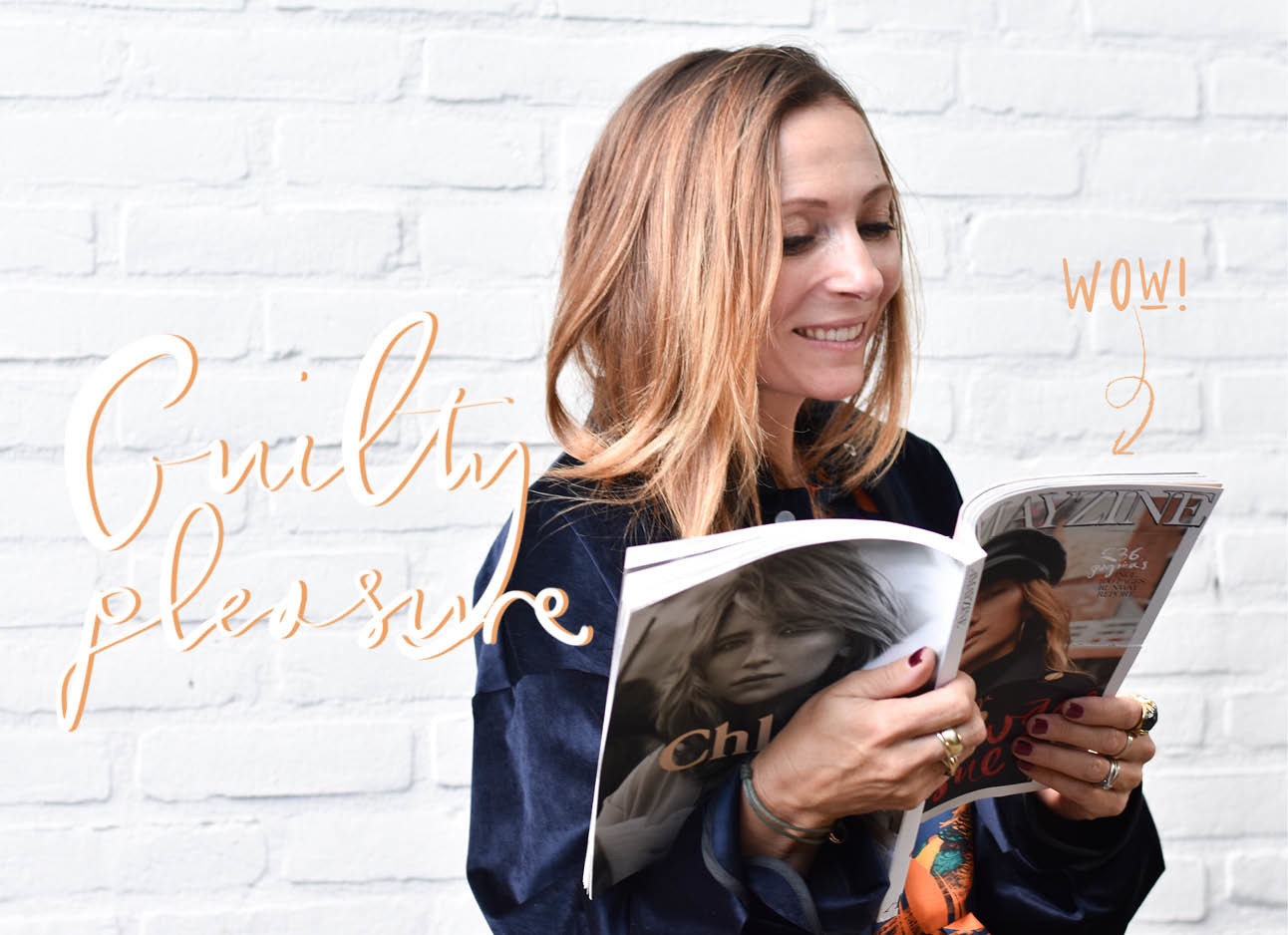
One reads that we cannot do everything as we are used to for at least another two years, while another reads that it is ‘just a flu’ and is not too worried about summer vacation plans.
The corona crisis: we read and hear a lot about it. But there is also a lot of fake news circulating. You may find that very stupid, that's allowed, but keep in mind: it is read massively. For example, that photo stating that we would follow Italy in terms of the number of deaths if we did not choose a full lockdown. You have undoubtedly seen it somewhere. Those numbers. Who checks them? No one. But do we believe it? Absolutely. All of us.
It is called ‘confirmation bias’ in psychology. It is a cognitive error: you base your own truth on what you experience from your couch , sees, hears, reads, and knows. But you do not have all the facts. You select your ‘own news’ and that is your truth. Facebook contributes to this, for example, through its algorithm: if you click on one sensational news item after another, you will see more and more of that kind of news in your news feed. A bit creepy, yes, but it happens to everyone. We crave facts, knowledge, in these uncertain times. That is why we quickly believe any news report that contains ‘clear’ information, without making any effort to check sources.
The fake reports, the crazy plots, the strange theories: how do you distinguish fake news from real news in these times when we want to know what to trust is? According to RTL Nieuws, a site that is often copied by fakers, it says: ‘If a headline is too unbelievable and too good to be true, then it usually is.’ The fake news about COVID-19 is currently only causing more unrest. So if you see it: don't panic right away.
For example... All the household items with which you could ward off the virus, videos of people collapsing because they have contracted the virus, and then scary messages from so-called hospitals stating that ‘they can no longer handle it and that they are full.’ Or a Chinese doctor saying that you can check if you have corona if you cannot hold your breath for ten seconds. And ibuprofen would be harmful and paracetamol not. If you don't know better than that it's fake, you get scared. ‘It is striking that a lot is shared in WhatsApp groups and that makes it harder for us fact-checkers to oversee, because those are closed groups,’ says Peter Burger, fact-checker and lecturer in new media at Leiden University. ‘WhatsApp messages are shared in small circles and quickly forwarded. There is little critical examination of the content. Thus, the turnover rate of such media is very fast and the reach is large.’ But it must stop: currently, 1 million is being spent worldwide to ban all fake news.
So don't take every app from your colleague or your aunt too seriously.. First, do some further googling if you want to know something for sure before you forward it and spread panic. And stick to science: if there is evidence for it, science will certainly come up with it. And well, if you haven't made any summer vacation plans yet, I would also wait a bit longer with that. But that's just my opinion.


