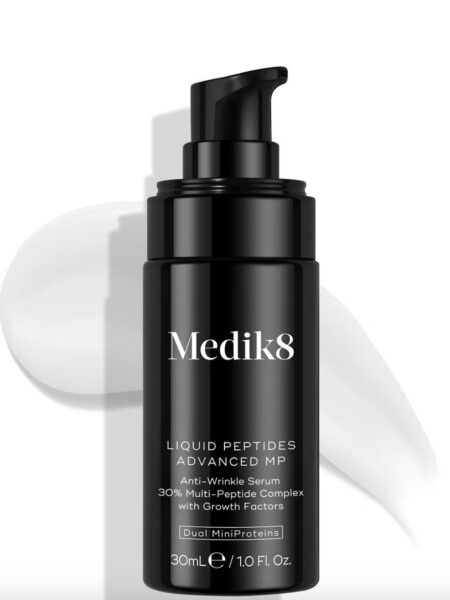
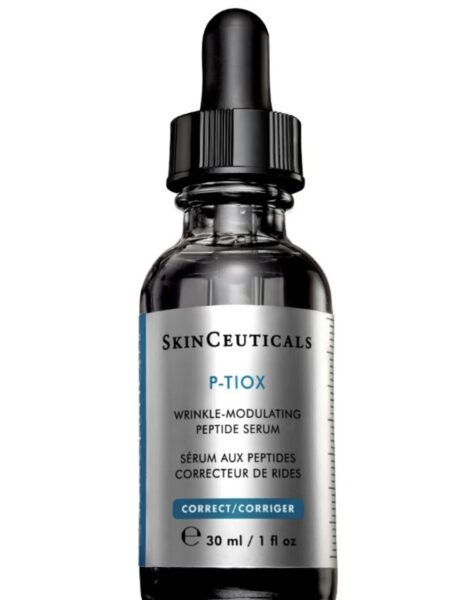
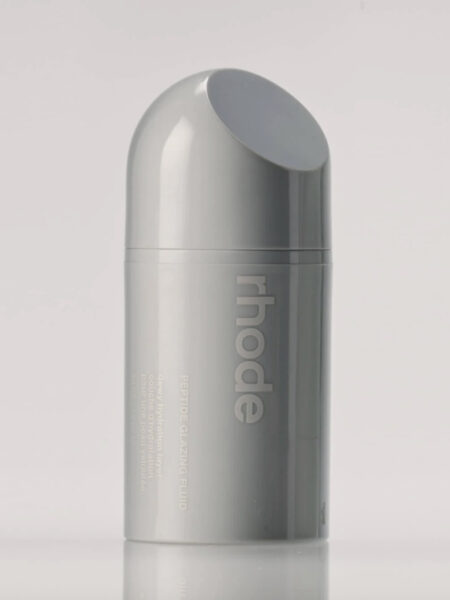
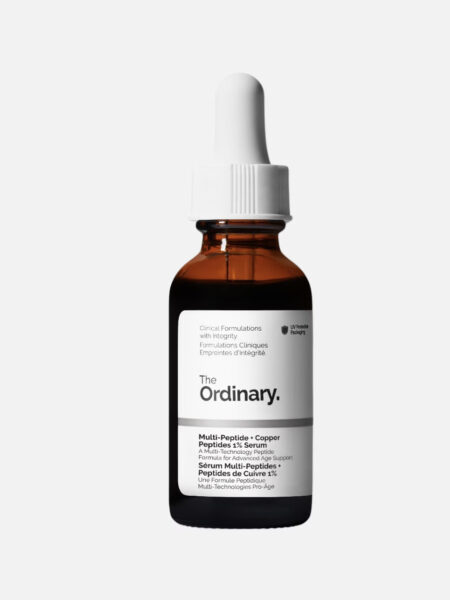
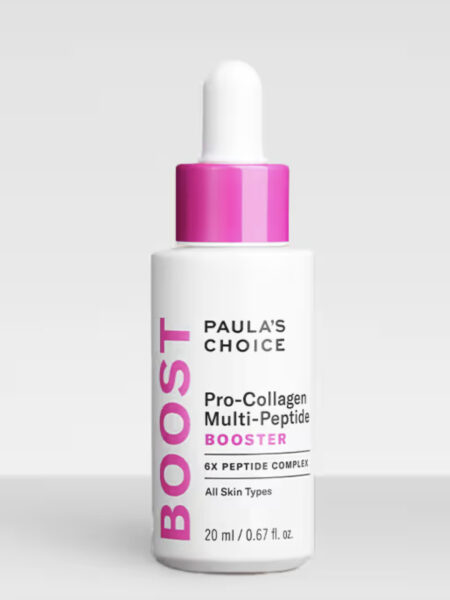
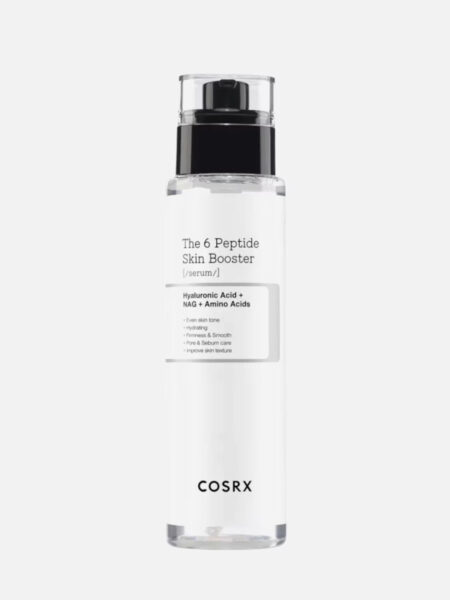
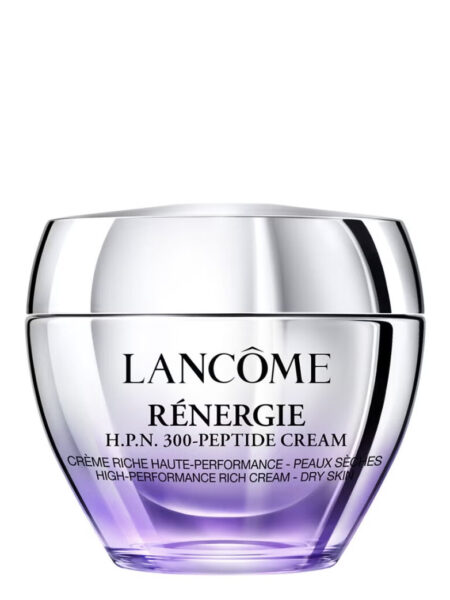
Peptides: the secret ingredient for the most beautiful skin
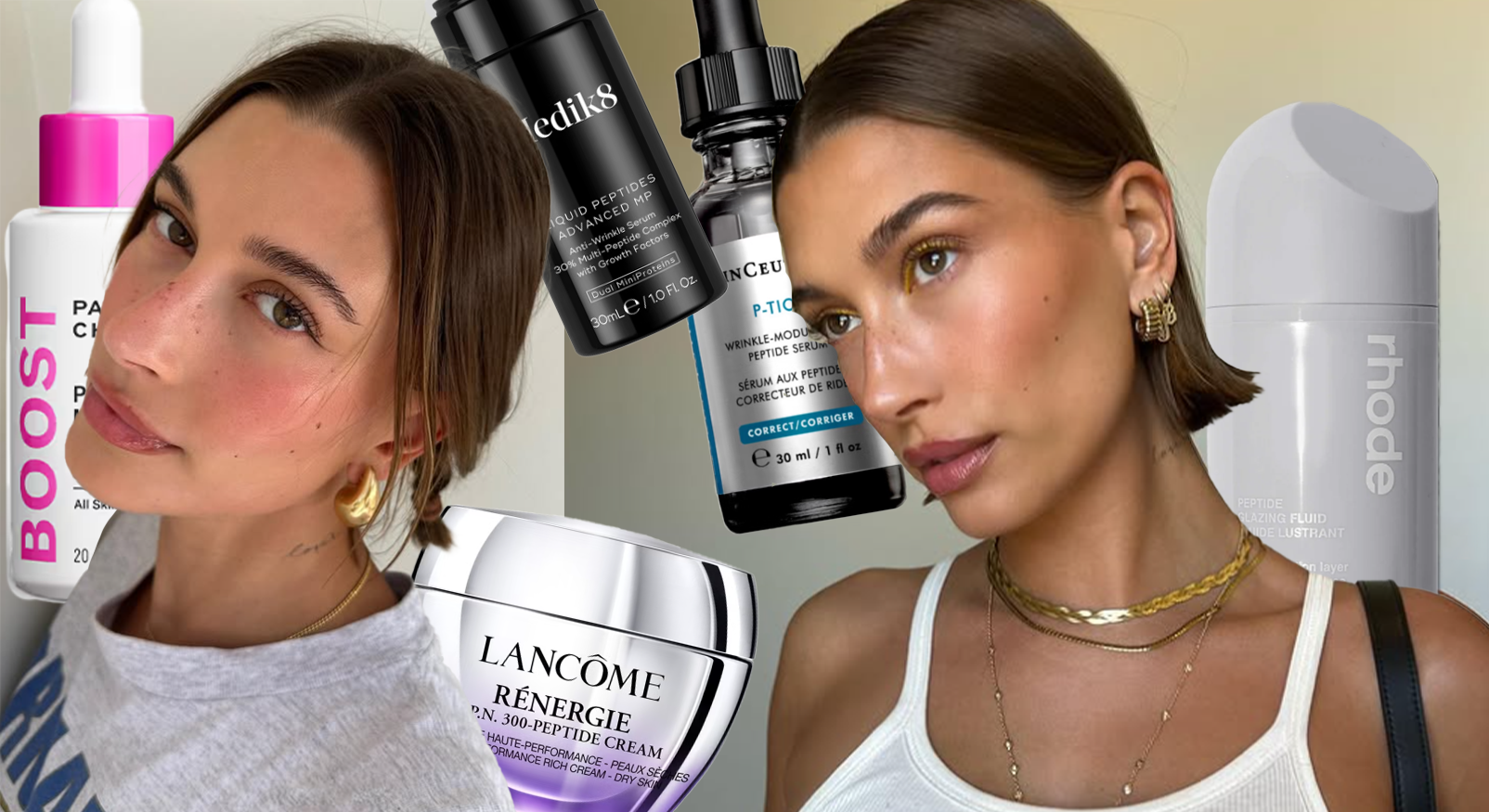
Peptides. You suddenly see them everywhere: in serums, creams, even eye creams. Every brand seems to have them all of a sudden. But what do those peptides actually do for your skin? And to be honest: is it really such a miracle cure or just clever marketing that we all fall for again?
What are peptides?
Peptides are short chains of amino acids, the building blocks of your skin. They stimulate the production of collagen and elastin, which are the two proteins that keep your skin firm and elastic. Unfortunately, that natural supply starts to decline from your twenties. During my student days, I could still party, drink wine, and still look fresh on three hours of sleep. Now, at 33 and a mother of two boys, my skin really asks for some extra care. So yes, I’ve recently started diligently applying peptides as well.
What do peptides do?
Think of peptides as little messengers that tell your skin cells what to do: make collagen, retain moisture, or stay calm. The result: skin that looks smoother, is less irritated, and stays better hydrated. Don’t expect an instant facelift by the way, but rather a subtle, slow improvement. This applies to all skincare, by the way; before you really see results, you’ll be quite a few days, weeks, or months further along.
The downside of peptides
As with any hype ingredient, there is sometimes a lot of exaggeration. Only the right formula and packaging make the difference. So choose an airtight, dark bottle and store it in a cool, dry place. Once the peptides are in a jar and stored in the bathroom, you can be sure of one thing: those active ingredients will degrade in no time. And yes, unfortunately, good peptide products are often a bit more expensive, and you really only see a difference after a few weeks. So stay realistic: peptides do a lot for your skin, but they don’t erase deep wrinkles. No matter how beautiful the ads promise.
How to use peptides
The best time is after your cleanser and before your cream or oil. Peptides can work well together with hydrating ingredients like hyaluronic acid and ceramides, and also with antioxidants like vitamin C. Only with high concentrations of acids or retinol you need to be a bit careful. My tip? Use those retinol or acids in the evening like I always do. And remember: SPF remains your best anti-aging friend, so you always finish your routine with that during the day.
For which skin type is it suitable?
Actually for everyone. Whether you just spot your first fine lines or notice that your skin is becoming a bit less firm: peptides are a nice addition. Even sensitive skin often reacts well to them, precisely because they strengthen the skin barrier.