


The book that everyone with sadness should read
How to process big and small pain
“Just don’t talk about it.” It has become a well-known saying between my beloved and me. Years ago, I worked as an editor for a daily TV program, and just at the moment when the main guest of the program opened up after a question I had worked really hard on, the presenter waved away the discomfort with this sentence. Just don’t talk about it. My editor's heart shrank because when you make television, you want the oyster to be cracked. Meanwhile, the phrase now represents more for me. It is the discomfort we struggle with when something is not nice. It is uncomfortable to approach someone who is sad. Haven't we all once walked around the block when we saw that acquaintance who just lost her husband because it just wasn't the right time to have an extensive conversation about it and maybe also because you were terrified of saying the wrong thing? Conversely, the avoidance of discomfort applies as well. During dark days, I preferred to hide in our bedroom. Curtains closed, children around me, and only going outside again when the world was manageable.
Why do we go to the emergency room or to the general practitioner for physical pain, but tend to quickly put a band-aid on mental pain and then not want to look at it anymore? We all know what happens to wounds that we do not care for: they start to stink.
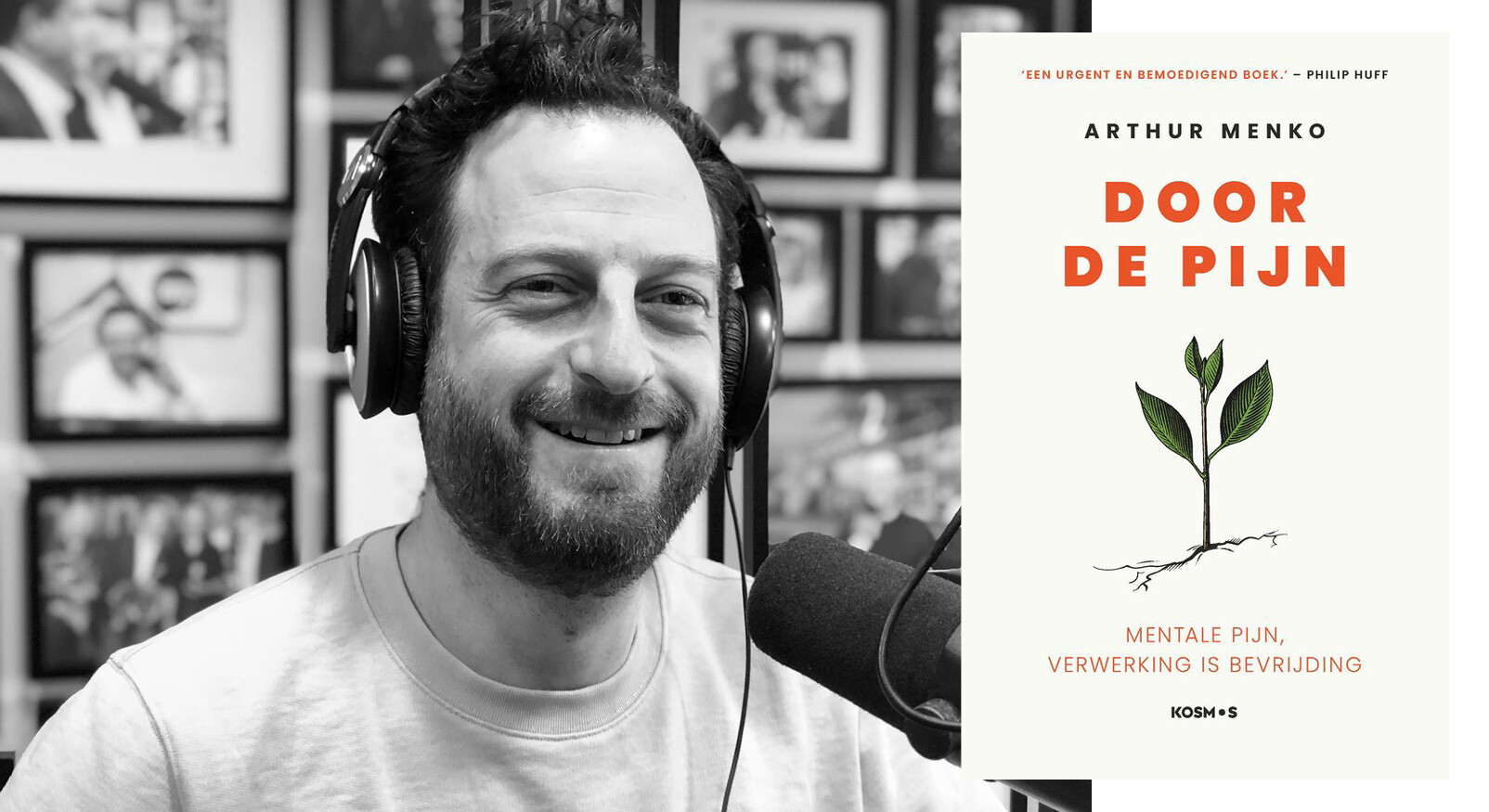
Arthur Menko, psychologist/trainer/coach and father of three children, saw both in himself and in his clients how mental pain affects your life and ultimately even society. In his book Through the Pain (brilliant title) he takes you on a ‘pain journey’ and teaches you not only what pain does to you, but he also invites you through exercises and assignments to tackle your mental pain and aches.
Where self-help books can sometimes be a bit dry and airy (in my opinion), Arthur writes quickly, not fluffy, wonderfully from A to B, honest and clear without falling into clichés. He spices up the theory with practical and small examples drawn from his life. I think it’s a beautiful book, both inside and out, because, and I know that appearance doesn’t matter in this case, it also looks very nice.
I would gift it to yourself. After the collisions that occur in our lives, denting is particularly liberating.


